The crane rental market is witnessing significant momentum as construction, infrastructure, and industrial projects continue to expand worldwide. Cranes play a vital role in heavy lifting, material handling, and large-scale assembly tasks, making them indispensable across diverse sectors such as commercial construction, energy, shipping, and manufacturing. However, owning cranes involves substantial capital investment, ongoing maintenance, and specialized operational requirements.
As a result, many organizations are increasingly turning to rental services to access advanced lifting equipment without the long-term financial burden. The rental model offers flexibility, operational efficiency, and the ability to select machinery tailored to specific project needs, positioning crane rentals as a strategic solution in today’s fast-evolving industrial landscape.
Market Overview
Cranes are engineered to lift and transport heavy loads safely and efficiently, often operating in environments where precision and reliability are essential. From high-rise building construction to bridge installation and wind farm development, cranes enable complex projects that would otherwise be impossible using conventional equipment.
The rental segment has grown rapidly as companies seek to optimize costs while maintaining access to modern technology. Rental providers typically offer a wide variety of cranes, including mobile cranes, tower cranes, crawler cranes, and rough-terrain models. This diversity allows contractors to match equipment capabilities with project requirements, improving productivity and reducing downtime.
Additionally, rental agreements often include maintenance support and technical assistance, helping businesses focus on project execution rather than equipment management.
Key Market Drivers
Expansion of Infrastructure Projects
Global investments in transportation networks, smart cities, and energy infrastructure are driving demand for heavy lifting equipment. Large-scale projects require specialized cranes capable of handling substantial loads, making rental services an attractive option for contractors managing complex timelines.
Cost Optimization and Financial Flexibility
Purchasing cranes can strain capital resources, particularly for companies handling short-term or project-based work. Renting allows businesses to convert fixed costs into variable expenses, improving financial agility while ensuring access to high-performance machinery.
Growing Urbanization
Rapid urban development is fueling the construction of residential towers, commercial complexes, and mixed-use developments. These projects often require multiple crane types throughout different construction phases, further supporting the shift toward rental solutions.
Technological Advancements
Modern cranes incorporate advanced safety systems, telematics, automation features, and enhanced load-monitoring capabilities. Rather than frequently upgrading owned equipment, many companies prefer renting to ensure they are using the latest technology available.
Shortage of Skilled Operators
Some rental providers offer trained operators along with equipment, helping contractors address workforce gaps while maintaining safety and compliance standards.
Regional Insights
North America
A strong pipeline of infrastructure upgrades and commercial construction projects supports steady demand for crane rentals. Companies in the region increasingly prioritize operational efficiency, making rentals a practical choice for managing fluctuating workloads.
Europe
Infrastructure modernization and renewable energy projects are contributing to market growth across Europe. Wind turbine installations, in particular, require specialized cranes capable of lifting heavy components to significant heights, reinforcing the importance of rental fleets.
Asia-Pacific
The region is emerging as a major growth hub due to rapid industrialization, population growth, and large-scale urban expansion. Governments are investing heavily in highways, rail systems, ports, and airports, creating consistent demand for lifting equipment. Rental services are especially appealing in cost-sensitive markets where capital preservation is a priority.
Middle East & Africa and Latin America
Ongoing investments in construction, oil and gas, and industrial development are gradually increasing the adoption of crane rentals. As project complexity rises, contractors are recognizing the benefits of flexible equipment access.
Segmentation Dynamics
By Crane Type
Mobile cranes are widely used due to their versatility and ease of transport between job sites. Tower cranes dominate high-rise construction projects, offering the height and lifting capacity needed for vertical development. Crawler cranes are preferred for heavy-duty applications requiring stability, while rough-terrain cranes excel in challenging environments with uneven surfaces.
By Application
Construction remains the largest application segment, driven by residential, commercial, and infrastructure development. Energy projects—including wind and power plant installations—also contribute significantly to demand. Industrial maintenance, shipbuilding, and large-scale manufacturing further expand the market’s scope.
By End Users
Primary users include construction firms, engineering companies, industrial contractors, and energy developers. These organizations rely on rental services to maintain flexibility, manage costs, and adapt quickly to changing project requirements.
Challenges in the Market
High Transportation and Setup Costs
Moving large cranes between sites can be logistically complex and expensive. Proper planning is essential to ensure timely deployment without affecting project schedules.
Safety and Regulatory Compliance
Crane operations must adhere to strict safety standards. Rental providers and contractors alike must prioritize training, inspections, and compliance to minimize risks.
Economic Uncertainty
Construction activity is often influenced by broader economic conditions. Any slowdown in infrastructure spending or private investment could impact equipment demand.
Future Outlook
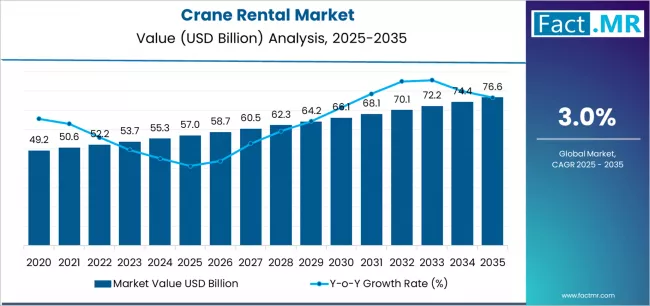
The crane rental market is poised for sustained growth as industries continue to embrace flexible equipment strategies. Increasing project complexity and the need for specialized machinery are expected to reinforce reliance on rental providers.
Digital technologies are transforming fleet management, enabling real-time equipment tracking, predictive maintenance, and improved utilization rates. These innovations not only enhance operational efficiency but also elevate customer experience.
Sustainability trends are also shaping the market, encouraging the adoption of fuel-efficient and low-emission cranes. Rental companies that invest in environmentally responsible equipment are likely to gain a competitive advantage as regulations evolve.
Conclusion
The crane rental market has become a cornerstone of modern construction and industrial operations, offering businesses a practical pathway to access advanced lifting solutions without the challenges of ownership. By delivering flexibility, technological access, and cost control, rental services empower organizations to execute complex projects with confidence.
As infrastructure development accelerates and industries pursue greater efficiency, crane rentals will remain an essential component of project success. Providers that emphasize innovation, safety, and customer support are well positioned to capitalize on the market’s expanding opportunities.
Browse Full Report – https://www.factmr.com/report/crane-rental-market