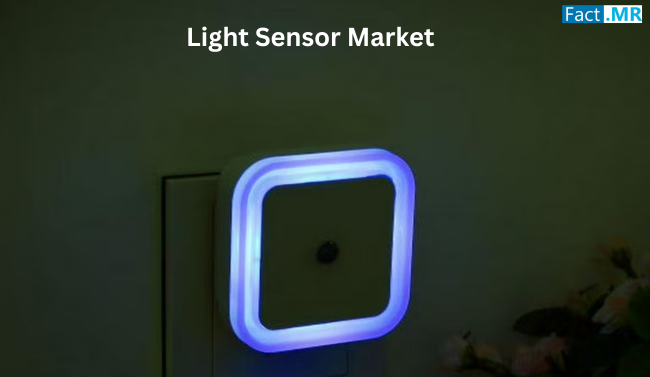
The light sensor market is gaining considerable attention as modern technologies increasingly rely on smart sensing capabilities. Light sensors are electronic components designed to detect and measure light intensity, enabling devices to respond automatically to changes in lighting conditions. These sensors play a critical role in improving the efficiency, functionality, and user experience of various electronic devices and systems.
From smartphones and wearable devices to automotive systems and industrial automation, light sensors are widely used to enable intelligent operations. Their ability to optimize brightness levels, reduce energy consumption, and enhance device performance has made them essential in many technological applications. As digital transformation continues to reshape industries, the demand for advanced light sensing technologies is steadily increasing.
Market Overview
Light sensors are designed to measure ambient light levels and convert them into electrical signals that can be interpreted by electronic systems. These sensors help devices adjust their performance based on environmental lighting conditions. For example, smartphones use ambient light sensors to automatically control screen brightness, improving user comfort while conserving battery power.
The growing adoption of smart devices is a major factor driving the light sensor market. With the increasing popularity of smartphones, tablets, laptops, and wearable technology, manufacturers are integrating light sensors to enhance device functionality and user experience. These sensors help devices operate more efficiently by adapting to surrounding light conditions in real time.
In addition to consumer electronics, light sensors are also widely used in industrial automation systems. Manufacturing facilities use these sensors to monitor lighting conditions, detect objects, and support automated operations. As industries move toward smart factories and automated production lines, the demand for reliable sensing technologies continues to grow.
The automotive sector is another important contributor to the growth of the light sensor market. Modern vehicles use light sensors to control automatic headlights, dashboard brightness, and interior lighting systems. These features improve driving safety and comfort while supporting energy efficiency.
Regional Insights
The light sensor market is expanding globally as the demand for smart electronic devices and advanced automation technologies increases. North America holds a significant position in the market due to the presence of leading technology companies and strong adoption of innovative electronic devices. The region also has a well-developed automotive and industrial sector that integrates advanced sensor technologies into modern systems.
Europe represents another important market for light sensors. The region’s focus on energy efficiency, automotive innovation, and industrial automation encourages the adoption of advanced sensing technologies. Automotive manufacturers in Europe are increasingly integrating light sensors into vehicles to enhance safety features and improve driver assistance systems.
The Asia-Pacific region is expected to witness substantial growth in the light sensor market. Rapid technological advancements, expanding consumer electronics production, and increasing demand for smart devices are driving market expansion in countries such as China, Japan, South Korea, and India. The region is home to several major electronics manufacturers, which further supports the growth of light sensor technologies.
Additionally, the development of smart cities and modern infrastructure across emerging economies is creating new opportunities for light sensor applications in lighting systems, transportation networks, and security systems.
Key Trends and Forecast
Several technological trends are shaping the future of the light sensor market. One of the most significant trends is the integration of sensors into Internet of Things (IoT) devices. IoT systems rely on sensors to collect environmental data and enable automated responses. Light sensors play a vital role in smart lighting systems, home automation, and connected devices.
Another key trend is the miniaturization of sensor components. As electronic devices become smaller and more compact, manufacturers are developing light sensors that offer high performance in extremely small sizes. These compact sensors can be easily integrated into modern electronic devices without increasing their size or weight.
Advancements in sensor accuracy and energy efficiency are also driving market growth. New generations of light sensors are designed to provide precise measurements while consuming minimal power. This is particularly important for battery-powered devices such as smartphones and wearable electronics.
The increasing adoption of smart lighting systems is also contributing to the demand for light sensors. Smart lighting solutions use sensors to automatically adjust brightness levels based on environmental conditions, helping reduce energy consumption and improve lighting efficiency. As energy conservation becomes a global priority, the use of such technologies is expected to expand.
Applications and End-Use Outlook
Light sensors are used across a wide range of industries and applications. The consumer electronics sector represents one of the largest application areas. Devices such as smartphones, tablets, laptops, and smartwatches rely on light sensors to automatically adjust display brightness and optimize battery usage.
In the automotive industry, light sensors are used in automatic headlight systems, adaptive lighting systems, and interior lighting controls. These features enhance driving safety by ensuring optimal visibility under different lighting conditions.
The industrial sector also utilizes light sensors in automation systems, machine vision technologies, and safety monitoring equipment. These sensors help detect objects, monitor production processes, and improve operational efficiency in manufacturing environments.
Another important application area is smart lighting and building automation. Light sensors are used in offices, homes, and commercial buildings to regulate lighting based on natural daylight availability. This technology helps reduce electricity consumption and supports sustainable building practices.
Additionally, light sensors are increasingly being used in healthcare devices, security systems, and environmental monitoring applications. Their versatility and reliability make them valuable components in a wide range of modern technologies.
Conclusion
The light sensor market is playing a vital role in the development of intelligent electronic systems and automated technologies. These sensors enable devices to respond to environmental lighting conditions, improving efficiency, energy management, and user experience.
As the demand for smart devices, connected systems, and energy-efficient technologies continues to grow, the adoption of light sensors is expected to expand across multiple industries. Advances in sensor design, accuracy, and miniaturization are further enhancing the capabilities of modern light sensing solutions.
With increasing investments in consumer electronics, automotive innovation, industrial automation, and smart infrastructure, the light sensor market is set to remain an essential part of the global technology landscape.
Browse Full Report – https://www.factmr.com/report/light-sensor-market