As the global transition toward renewable energy accelerates, wind power has emerged as a cornerstone of clean energy strategies. At the heart of this transformation lies the wind turbine material market, which plays a crucial role in enabling efficient, durable, and high-performance wind energy systems. From advanced composites to high-strength steel and innovative coatings, the materials used in wind turbines are evolving rapidly to meet the demands of larger, more efficient, and more sustainable energy infrastructure.
Market Overview
The wind turbine material market encompasses a wide range of materials used in the manufacturing of turbine components such as blades, towers, nacelles, and foundations. These materials are carefully selected to ensure structural integrity, longevity, and optimal performance under harsh environmental conditions.
Key materials include fiberglass, carbon fiber, steel, aluminum, copper, and various resins and coatings. Among these, composite materials have gained significant prominence due to their lightweight properties and high strength-to-weight ratio, making them ideal for turbine blades. Steel remains a dominant material for towers and structural components, while copper is widely used in electrical systems due to its excellent conductivity.
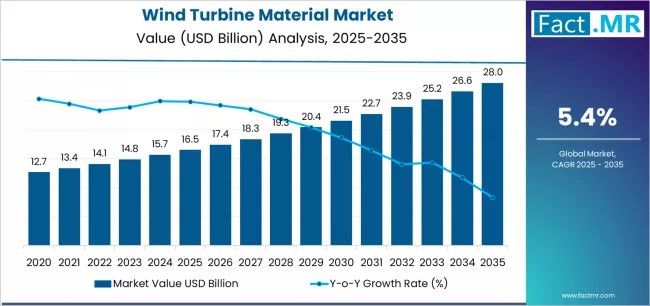
The market is driven by increasing investments in renewable energy projects, advancements in turbine technology, and the global push for decarbonization. As wind turbines grow in size and capacity, the demand for high-performance materials that can withstand extreme stress and environmental exposure continues to rise.
Regional Insights
Geographically, the wind turbine material market demonstrates strong growth across several key regions, each contributing uniquely to the global landscape.
North America remains a mature market, supported by strong policy frameworks, tax incentives, and significant investments in both onshore and offshore wind projects. The region’s focus on upgrading existing infrastructure and expanding offshore wind capacity is driving demand for advanced materials.
Europe stands out as a leader in offshore wind energy, with countries investing heavily in large-scale wind farms. Stringent environmental regulations and ambitious climate targets are encouraging the adoption of sustainable and recyclable materials in turbine manufacturing. Innovation in blade design and material efficiency is particularly prominent in this region.
Asia-Pacific is rapidly emerging as a dominant force in the wind energy sector. Countries such as China and India are making substantial investments in wind power to meet growing energy demands and reduce reliance on fossil fuels. The region benefits from cost-effective manufacturing capabilities and a strong supply chain, making it a key hub for material production and turbine assembly.
Key Trends & Forecast
The wind turbine material market is undergoing significant transformation, driven by technological advancements and evolving industry requirements.
One of the most notable trends is the increasing use of advanced composite materials, particularly carbon fiber, in turbine blades. These materials enable the production of longer blades, which can capture more wind energy and improve overall efficiency. As turbine sizes continue to grow, the demand for lightweight yet मजबूत materials is expected to rise.
Sustainability is another critical trend shaping the market. Manufacturers are focusing on developing recyclable and eco-friendly materials to address concerns related to blade disposal and environmental impact. Research into bio-based resins and circular economy practices is gaining momentum.
Digitalization and smart manufacturing processes are also influencing material development. The integration of sensors and data analytics allows for better monitoring of material performance, leading to improved durability and reduced maintenance costs.
In addition, the expansion of offshore wind projects is driving the need for corrosion-resistant materials and specialized coatings. Offshore turbines are exposed to harsh marine environments, making material resilience a key factor in ensuring long-term performance.
Applications & End-Use Outlook
Wind turbine materials are used across various components, each with specific performance requirements. Blades, which are among the most critical components, rely heavily on composite materials for strength and flexibility. Towers require high-strength steel to support the structure and withstand wind loads, while nacelles house complex mechanical and electrical systems that depend on a combination of metals and advanced materials.
The primary end-users of wind turbine materials include utility-scale wind farms, both onshore and offshore. These large-scale installations account for the majority of material demand, driven by the need for high-capacity turbines.
In addition to utility-scale projects, smaller distributed wind systems are also contributing to market growth. These systems are used in rural and remote areas, as well as for commercial and industrial applications, where localized energy generation is beneficial.
The growing emphasis on energy independence and sustainability is encouraging a broader range of industries to invest in wind energy, further boosting demand for turbine materials.
Conclusion
The wind turbine material market is a vital component of the global renewable energy ecosystem, enabling the development of efficient and reliable wind power solutions. As the world continues to prioritize sustainability and carbon reduction, the demand for advanced materials that enhance turbine performance and durability will only increase.
Ongoing innovation in material science, coupled with supportive government policies and rising investments in wind energy infrastructure, is expected to drive the market forward. For businesses and stakeholders, staying informed about material advancements and market trends is essential for making strategic decisions and capitalizing on emerging opportunities.
In an era defined by the pursuit of clean energy, wind turbine materials are not just supporting the industry—they are shaping its future.
Browse Full Report – https://www.factmr.com/report/4605/wind-turbine-materials-market