As global maritime security becomes increasingly complex, the importance of advanced surveillance and detection systems has never been greater. The naval radar market is gaining significant momentum as defense forces worldwide invest in modern technologies to enhance situational awareness, threat detection, and operational efficiency. Naval radars serve as the backbone of maritime defense systems, enabling navies to monitor vast ocean territories, detect potential threats, and ensure safe navigation in challenging environments.
Market Overview
Naval radar systems are essential components of modern warships and submarines, designed to detect, track, and identify objects over long distances. These systems use radio waves to provide real-time information about the position, speed, and direction of targets, including enemy vessels, aircraft, and missiles.
The market encompasses a wide range of radar types, including surveillance radar, fire control radar, navigation radar, and multifunction radar systems. Each type serves a specific purpose, from guiding weapons systems to ensuring safe passage through congested waters.
Technological advancements have significantly transformed naval radar capabilities. Modern systems are increasingly incorporating digital signal processing, phased array technology, and artificial intelligence to improve accuracy and response times. The shift toward integrated radar systems that combine multiple functions into a single platform is also shaping the market landscape.
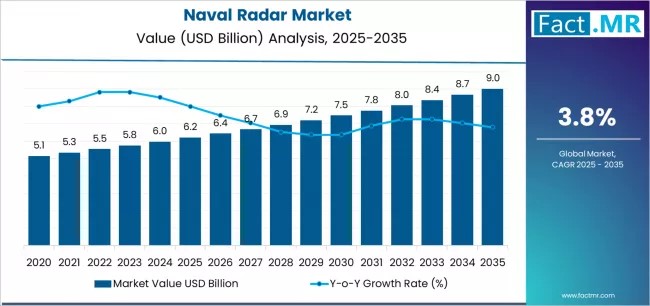
Growing geopolitical tensions, rising defense budgets, and the need for enhanced maritime domain awareness are key factors driving demand. Additionally, the increasing focus on naval modernization programs is encouraging the adoption of next-generation radar systems across both developed and emerging economies.
Regional Insights
The naval radar market exhibits strong growth across major regions, driven by varying security priorities and defense strategies.
North America remains a dominant player, supported by substantial investments in naval defense and continuous technological innovation. The presence of leading defense contractors and ongoing modernization initiatives contribute to the region’s strong position in the market.
Europe follows closely, with countries focusing on strengthening their naval capabilities amid evolving security challenges. Collaborative defense programs and advancements in radar technology are key factors supporting market growth in this region.
Asia-Pacific is emerging as a high-growth region, driven by increasing maritime disputes, expanding naval fleets, and rising defense expenditures. Countries in this region are actively investing in advanced radar systems to enhance their surveillance and combat capabilities.
The Middle East and other regions are also witnessing steady growth, as governments prioritize maritime security to protect critical trade routes and offshore assets.
Key Trends & Forecast
The naval radar market is undergoing a period of rapid transformation, fueled by innovation and evolving defense requirements.
One of the most prominent trends is the adoption of active electronically scanned array (AESA) radar systems. These advanced systems offer superior detection capabilities, faster scanning speeds, and improved resistance to electronic warfare, making them highly suitable for modern naval operations.
Another significant trend is the integration of radar systems with other onboard technologies, such as combat management systems and electronic warfare suites. This integration enhances overall situational awareness and enables faster decision-making during critical missions.
The use of artificial intelligence and machine learning is also gaining traction in naval radar systems. These technologies help in processing vast amounts of data, identifying patterns, and reducing false alarms, thereby improving operational efficiency.
Cybersecurity has become a key focus area, as radar systems become more connected and vulnerable to cyber threats. Ensuring secure communication and data protection is essential for maintaining the integrity of naval operations.
Additionally, there is a growing emphasis on lightweight and energy-efficient radar systems, particularly for smaller vessels and unmanned platforms. This trend reflects the broader shift toward flexible and cost-effective naval solutions.
Applications & End-Use Outlook
Naval radar systems are widely used across various applications, each playing a critical role in maritime operations. Surveillance and reconnaissance remain primary functions, enabling navies to monitor large areas and detect potential threats at an early stage.
Fire control radar systems are used to guide weapons and ensure accurate targeting, while navigation radars help vessels operate safely in complex and low-visibility conditions. Multifunction radar systems, which combine multiple capabilities into a single unit, are becoming increasingly popular due to their efficiency and versatility.
The primary end-users of naval radar systems are defense organizations, including naval forces and coast guards. These entities rely on advanced radar technologies to safeguard national interests, protect maritime borders, and support mission-critical operations.
In addition to traditional naval forces, there is growing adoption of radar systems in unmanned surface and underwater vehicles. These platforms are increasingly used for surveillance, reconnaissance, and mine detection, further expanding the scope of the market.
Conclusion
The naval radar market is a critical component of the global defense ecosystem, enabling enhanced maritime security and operational effectiveness. As technological advancements continue to reshape the industry, the demand for sophisticated radar systems is expected to grow steadily.
With increasing investments in naval modernization and the rising importance of maritime domain awareness, the market offers significant opportunities for innovation and growth. Companies that focus on developing advanced, reliable, and secure radar solutions will be well-positioned to meet the evolving needs of defense forces worldwide.
In a world where maritime security is paramount, naval radar systems are not just tools of detection—they are strategic assets that ensure safety, stability, and dominance at sea.
Browse Full Report – https://www.factmr.com/report/4612/naval-radar-market