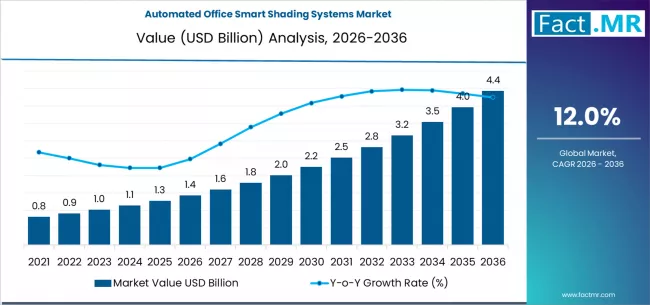
As modern workplaces increasingly embrace smart technologies, automated office smart shading systems are gaining significant traction. These systems are designed to optimize natural light, improve energy efficiency, and enhance occupant comfort in commercial office spaces. By integrating advanced sensors, automation controls, and intelligent software, smart shading solutions are transforming how buildings manage lighting and temperature. The growing focus on sustainable infrastructure and energy conservation is expected to drive widespread adoption of these systems across global office environments.
Market Overview:
Automated office smart shading systems refer to motorized window coverings that adjust dynamically based on environmental conditions such as sunlight intensity, temperature, and occupancy. These systems can be controlled via centralized building management systems or smart devices, enabling seamless operation and customization. They play a crucial role in reducing reliance on artificial lighting and HVAC systems, thereby lowering overall energy consumption.
The market is witnessing strong growth due to increasing awareness about green building standards and the need for energy-efficient solutions. Organizations are investing in smart office infrastructure to improve employee productivity and reduce operational costs. Additionally, the integration of Internet of Things (IoT) technologies has further enhanced the functionality and appeal of automated shading systems.
Regional Insights:
North America remains a prominent market for automated office smart shading systems, driven by the early adoption of smart building technologies and stringent energy efficiency regulations. The presence of advanced infrastructure and strong investments in commercial real estate further support market growth in the region.
Europe is also a key contributor, with a strong emphasis on sustainability and environmental compliance. Government initiatives promoting energy-efficient buildings and the adoption of smart technologies are accelerating demand for automated shading solutions across the region.
The Asia-Pacific region is emerging as a high-growth market, fueled by rapid urbanization and increasing construction of commercial office spaces. Countries in this region are investing heavily in smart city projects and modern infrastructure, creating significant opportunities for market expansion. Growing awareness about energy conservation and workplace comfort is also contributing to the rising adoption of these systems.
Key Trends & Forecast:
One of the major trends shaping the market is the integration of automated shading systems with smart building ecosystems. These systems are increasingly being connected with lighting, HVAC, and occupancy sensors to create a fully automated and responsive office environment.
Another key trend is the use of advanced materials and designs that enhance durability and aesthetic appeal. Manufacturers are focusing on developing innovative shading solutions that not only improve functionality but also complement modern office interiors.
The adoption of wireless and cloud-based control systems is also gaining momentum, allowing users to manage shading systems remotely through mobile applications or centralized dashboards. This level of control enhances convenience and enables real-time adjustments based on changing environmental conditions.
Furthermore, there is a growing emphasis on sustainability and energy efficiency. Automated shading systems are being designed to minimize heat gain during summers and maximize natural light during winters, contributing to reduced energy consumption and improved indoor climate control.
Applications & End-Use Outlook:
Automated office smart shading systems are widely used across various commercial office environments, including corporate headquarters, co-working spaces, and business centers. These systems are particularly beneficial in large office buildings with extensive glass facades, where managing sunlight and heat can be challenging.
In the corporate sector, organizations are adopting smart shading solutions to create a comfortable and productive work environment for employees. Proper control of natural light helps reduce glare on screens, minimize eye strain, and enhance overall workplace satisfaction.
The healthcare industry is also leveraging these systems in administrative office areas to maintain optimal lighting conditions and improve energy efficiency. Similarly, the retail sector is adopting smart shading solutions in office spaces to enhance operational efficiency and reduce energy costs.
Additionally, government buildings and educational institutions are increasingly incorporating automated shading systems as part of their smart infrastructure initiatives. These systems support sustainability goals and help in achieving energy efficiency certifications.
Conclusion:
The automated office smart shading systems market is poised for significant growth as businesses continue to prioritize energy efficiency, sustainability, and employee well-being. With advancements in automation technologies and increasing integration with smart building systems, these solutions are becoming an essential component of modern office design.
As organizations strive to create intelligent and sustainable workspaces, automated shading systems offer a practical and effective solution for optimizing indoor environments. Access to detailed market insights and industry trends can help stakeholders make informed decisions and capitalize on emerging opportunities in this evolving market.
Browse Full Report – https://www.factmr.com/report/automated-office-smart-shading-systems-market