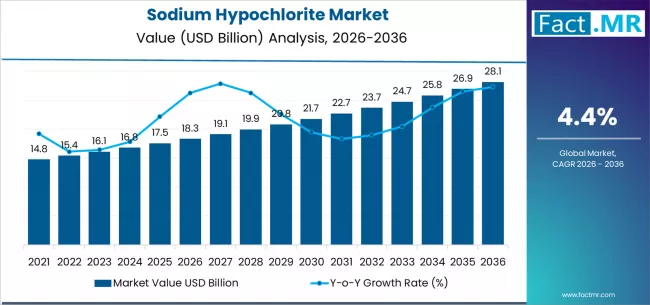
Sodium hypochlorite plays a vital role in modern sanitation, water treatment, and industrial hygiene, making it an essential chemical across multiple sectors. Commonly recognized for its disinfecting and bleaching properties, sodium hypochlorite has become increasingly important as governments, municipalities, and industries emphasize public health, clean water access, and safe industrial operations. The sodium hypochlorite market continues to evolve in response to growing awareness of hygiene standards, infrastructure development, and stricter regulations surrounding water quality and sanitation practices.
Market Overview
The sodium hypochlorite market encompasses the production and distribution of solutions widely used as disinfectants, oxidizing agents, and bleaching chemicals. It is primarily applied in water treatment facilities, healthcare sanitation, food processing, and household cleaning products. Due to its effectiveness against bacteria, viruses, and other microorganisms, sodium hypochlorite remains one of the most widely adopted chemical disinfectants globally.
Market growth is supported by its cost-effectiveness, ease of availability, and versatility. Manufacturers are increasingly focusing on improving product stability, storage safety, and concentration control to meet the specific requirements of diverse end-use industries. At the same time, environmental and safety considerations are shaping production processes and distribution practices within the market.
Regulatory and Safety Landscape
Regulatory oversight plays a significant role in shaping the sodium hypochlorite market. Government authorities across regions impose strict guidelines on the production, transportation, and application of sodium hypochlorite due to its reactive nature. Compliance with chemical safety standards, occupational health regulations, and environmental protection laws is critical for manufacturers and end users alike.
In water treatment and food-related applications, sodium hypochlorite usage is governed by quality and purity standards to ensure public safety. Regulatory bodies also encourage proper handling, labeling, and storage practices to minimize risks associated with chemical exposure and accidental releases. These regulations have prompted investments in safer packaging solutions and advanced monitoring systems across the supply chain.
Regional Insights
North America remains a key market for sodium hypochlorite, driven by well-established water treatment infrastructure and stringent sanitation regulations. Municipal water utilities and industrial users in the region rely heavily on sodium hypochlorite for disinfection and oxidation processes.
Europe represents another significant market, supported by strong environmental policies and high standards for drinking water quality and industrial hygiene. The region’s focus on sustainable chemical usage and controlled emissions influences production methods and encourages responsible application practices.
The Asia-Pacific region is witnessing growing demand for sodium hypochlorite due to rapid urbanization, expanding industrial activity, and increasing investments in water and wastewater treatment facilities. Rising awareness of public health and sanitation, particularly in densely populated areas, is further supporting market expansion in this region.
Key Trends and Market Outlook
One of the key trends shaping the sodium hypochlorite market is the growing emphasis on water and wastewater treatment. As freshwater resources face increasing pressure, effective disinfection solutions are essential to ensure safe water reuse and distribution. Sodium hypochlorite continues to be widely adopted due to its proven effectiveness and operational simplicity.
Another notable trend is the rising demand from healthcare and institutional cleaning applications. Hospitals, laboratories, and public facilities rely on sodium hypochlorite-based disinfectants to maintain hygiene standards and prevent the spread of infections. This has led to increased innovation in formulation stability and ease of application.
Industrial applications, including pulp and paper, textiles, and chemical processing, also contribute to sustained demand. In these sectors, sodium hypochlorite is used for bleaching and oxidation processes, with manufacturers focusing on process efficiency and environmental compliance.
Applications and End-Use Outlook
Water treatment remains the dominant application segment within the sodium hypochlorite market. It is extensively used for disinfecting drinking water, treating wastewater, and controlling microbial growth in industrial water systems. Municipal authorities and private water operators continue to rely on sodium hypochlorite as a reliable and scalable solution.
In the healthcare sector, sodium hypochlorite is widely used for surface disinfection, medical equipment cleaning, and infection control protocols. Its effectiveness against a broad range of pathogens makes it a critical component of hospital hygiene systems.
The food and beverage industry utilizes sodium hypochlorite for sanitizing equipment, processing surfaces, and raw materials to ensure food safety. Household cleaning products also represent an important end-use segment, as consumers increasingly prioritize cleanliness and hygiene in everyday environments.
Competitive Landscape and Innovation
The sodium hypochlorite market is characterized by the presence of both large chemical manufacturers and regional suppliers. Companies are focusing on operational efficiency, supply chain reliability, and customer-specific solutions to maintain competitiveness. Innovation efforts are directed toward improving product shelf life, reducing decomposition rates, and enhancing safety during storage and transport.
Strategic partnerships with water utilities, healthcare providers, and industrial clients are helping suppliers expand their market reach. Additionally, investments in sustainable production methods and waste reduction initiatives are gaining importance as environmental responsibility becomes a key differentiator.
Conclusion
The sodium hypochlorite market continues to play a crucial role in supporting global sanitation, water treatment, and industrial hygiene requirements. Its versatility, effectiveness, and widespread adoption make it indispensable across multiple sectors. As regulatory standards tighten and demand for safe water and clean environments grows, sodium hypochlorite will remain a cornerstone chemical in public health and industrial applications. Access to detailed market insights can help stakeholders make informed decisions, optimize operations, and align with evolving safety and sustainability expectations.
Browse Full Report – https://www.factmr.com/report/sodium-hypochlorite-market