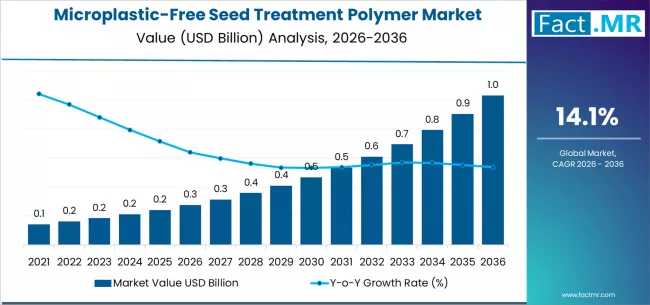
The agricultural sector is undergoing a significant shift toward environmentally responsible inputs as concerns over soil health, water contamination, and long-term ecosystem stability continue to grow. Among these concerns, the presence of microplastics in agricultural soils has gained increased attention from regulators, researchers, and farming communities. In response, microplastic-free seed treatment polymers are emerging as a sustainable alternative to conventional polymer coatings used in seed treatment. These advanced solutions support efficient crop establishment while aligning with evolving environmental and regulatory expectations.
Market Overview
The microplastic-free seed treatment polymer market focuses on polymer technologies designed to coat and protect seeds without contributing to microplastic pollution. Traditionally, seed treatment polymers have been used to improve seed handling, enhance adhesion of active ingredients, reduce dust-off, and ensure uniform application. However, many conventional polymers are synthetic and persistent in the environment, raising concerns about microplastic accumulation in soil and water systems.
Microplastic-free polymers are developed using biodegradable or naturally derived materials that break down safely after fulfilling their function. These solutions provide similar or improved performance compared to traditional polymers, while minimizing environmental impact. As sustainable agriculture gains traction, adoption of microplastic-free seed treatment polymers is increasing across a wide range of crops.
Regulatory and Environmental Drivers
Regulatory pressure is a major driver shaping this market. Authorities in several regions are introducing stricter rules on microplastics, particularly those intentionally added to products. Agriculture has come under scrutiny due to repeated field applications of treated seeds, prompting regulators to encourage or mandate the use of environmentally benign alternatives.
Environmental sustainability goals are also influencing purchasing decisions among seed companies and growers. Microplastic-free seed treatment polymers align with broader initiatives focused on soil health, biodiversity preservation, and reduced chemical footprints. These polymers support compliance with sustainability certifications and help agricultural stakeholders demonstrate environmental responsibility.
Regional Insights
Europe is at the forefront of adoption due to strong regulatory frameworks targeting microplastics and a well-established focus on sustainable farming practices. Seed producers and agribusinesses in the region are actively transitioning to microplastic-free alternatives to meet regulatory requirements and consumer expectations.
North America represents a significant market, driven by increasing awareness of soil sustainability and growing collaboration between seed companies and technology providers. While regulations are still evolving, voluntary adoption of microplastic-free seed treatment polymers is gaining momentum as part of corporate sustainability strategies.
The Asia-Pacific region is emerging as a promising market as modern seed treatment practices expand and environmental awareness increases. Governments and agricultural organizations in this region are promoting sustainable input use to support long-term agricultural productivity, creating opportunities for microplastic-free polymer solutions.
Key Trends and Market Outlook
One of the key trends in this market is the shift toward bio-based and biodegradable polymer materials. Manufacturers are investing in research and development to create polymers derived from renewable sources that offer strong adhesion, flexibility, and compatibility with various seed treatment formulations.
Another important trend is the integration of microplastic-free polymers with advanced seed treatment technologies. These polymers are being designed to work effectively with biologicals, micronutrients, and crop protection agents, ensuring optimal seed performance without compromising environmental goals.
There is also increasing collaboration across the agricultural value chain. Seed companies, polymer manufacturers, regulators, and research institutions are working together to validate performance, environmental safety, and regulatory compliance. Such collaboration is accelerating market acceptance and product innovation.
Applications and End-Use Outlook
Microplastic-free seed treatment polymers are used across a wide range of crops, including cereals, oilseeds, pulses, vegetables, and specialty crops. These polymers help improve seed flowability, reduce dust generation, and ensure uniform coating, which is critical for precise planting and early crop establishment.
Commercial seed producers represent the primary end users, as they seek to differentiate their offerings through sustainable seed treatment solutions. Farmers adopting treated seeds also benefit from improved handling and reduced environmental impact, supporting responsible farming practices.
In addition, companies supplying seeds to regulated or export-oriented markets are increasingly adopting microplastic-free polymers to meet compliance requirements and align with sustainability standards.
Competitive Landscape and Innovation
The competitive landscape of the microplastic-free seed treatment polymer market is shaped by innovation and environmental performance. Companies are focusing on developing polymers that not only eliminate microplastics but also enhance seed treatment efficiency and crop outcomes.
Innovation efforts are centered on improving biodegradation profiles, storage stability, and compatibility with a wide range of active ingredients. Strategic partnerships between polymer developers and seed treatment formulators are helping bring advanced solutions to market more rapidly.
As sustainability becomes a key differentiator, suppliers that offer transparent environmental data and proven field performance are gaining a competitive edge.
Conclusion
The microplastic-free seed treatment polymer market represents a critical advancement in sustainable agricultural input technologies. By addressing environmental concerns without compromising seed performance, these polymers support responsible farming and long-term soil health. As regulations tighten and sustainability expectations rise, microplastic-free seed treatment polymers are expected to play an increasingly important role in modern agriculture. Access to comprehensive market insights can help stakeholders navigate this evolving landscape and adopt solutions that balance productivity with environmental stewardship.
Browse Full Report – https://www.factmr.com/report/microplastic-free-seed-treatment-polymer-market