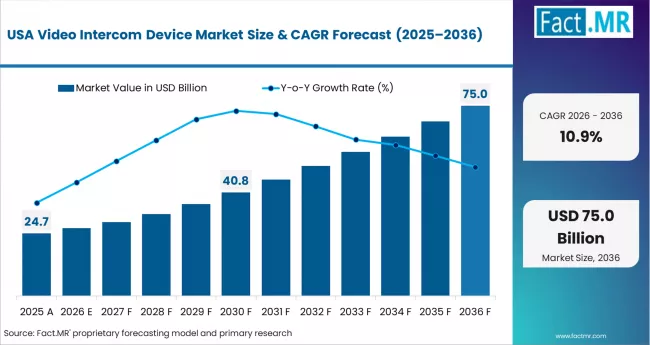
With rising concerns around safety and the growing adoption of smart technologies, video intercom devices have become an essential component of modern security systems. These devices enable real-time audio-visual communication, allowing users to verify visitors before granting access. From residential complexes to commercial buildings, the demand for advanced intercom solutions is steadily increasing as consumers prioritize convenience, safety, and connectivity.
Market Overview:
Video intercom devices are integrated communication systems that combine video surveillance with two-way audio functionality. They allow users to see, speak to, and grant access to visitors remotely. These systems are widely used in homes, offices, hospitals, and industrial facilities to enhance security and streamline access control.
The market is evolving rapidly with the integration of advanced technologies such as internet connectivity, mobile applications, and cloud-based services. Modern video intercom systems are no longer standalone devices; they are part of broader smart home and building automation ecosystems. This integration enables users to control and monitor their premises from anywhere, providing greater flexibility and peace of mind.
Regional Insights:
North America leads the video intercom device market due to high adoption of smart home technologies and strong awareness of security solutions. Europe follows closely, supported by stringent safety regulations and increasing investments in building automation systems.
The Asia-Pacific region is witnessing significant growth, driven by rapid urbanization, expanding residential infrastructure, and rising disposable incomes. The growing trend of smart cities and increased construction of gated communities in emerging economies are further fueling demand for video intercom devices in this region.
Key Trends & Forecast:
- Integration with Smart Home Systems: Video intercom devices are increasingly being integrated with smart home platforms, allowing users to control access through smartphones and voice assistants.
- Wireless and IP-Based Solutions: The shift from traditional wired systems to wireless and IP-based intercoms is gaining momentum due to ease of installation and scalability.
- Cloud Connectivity: Cloud-based video storage and remote access capabilities are enhancing the functionality of intercom systems, enabling users to monitor activities in real time.
- AI-Enabled Features: Advanced systems now incorporate artificial intelligence for facial recognition, motion detection, and automated alerts, improving overall security.
- Touchless and Contactless Access: In response to hygiene concerns, touchless access solutions are becoming popular in both residential and commercial settings.
Applications & End-Use Outlook:
Video intercom devices are widely used across multiple sectors. In residential settings, they provide homeowners with enhanced security and convenience, especially in apartments and gated communities. Users can verify visitors and control entry without physically opening doors.
In commercial spaces such as offices and retail establishments, video intercom systems help manage visitor access and improve operational efficiency. They are also extensively used in healthcare facilities, where controlled access is critical for patient safety.
Industrial facilities and educational institutions are adopting video intercom devices to ensure secure communication and prevent unauthorized access. The versatility of these systems makes them suitable for a wide range of applications.
Challenges in the Market:
Despite their growing popularity, video intercom devices face certain challenges. High initial installation costs and maintenance requirements can be a barrier for some users. Additionally, concerns related to data privacy and cybersecurity are becoming increasingly important as these devices are connected to the internet.
Compatibility issues between different smart devices and platforms can also pose challenges for seamless integration. Manufacturers need to focus on standardization and user-friendly designs to overcome these hurdles.
Future Outlook:
The future of the video intercom device market looks promising, with continuous advancements in technology driving innovation. The integration of artificial intelligence, Internet of Things (IoT), and 5G connectivity is expected to further enhance the capabilities of these systems.
As smart homes and smart cities continue to develop, the demand for intelligent security solutions will rise. Video intercom devices will play a crucial role in creating safer and more connected environments. Manufacturers are likely to focus on developing cost-effective, scalable, and secure solutions to cater to a broader audience.
Conclusion:
Video intercom devices are transforming the way security and communication are managed in residential and commercial spaces. By combining convenience with advanced technology, these systems offer a reliable solution for modern access control needs. As the market continues to evolve, businesses and consumers alike are expected to benefit from improved safety, enhanced connectivity, and smarter living experiences.
Browse Full Report – https://www.factmr.com/report/video-intercom-device-market