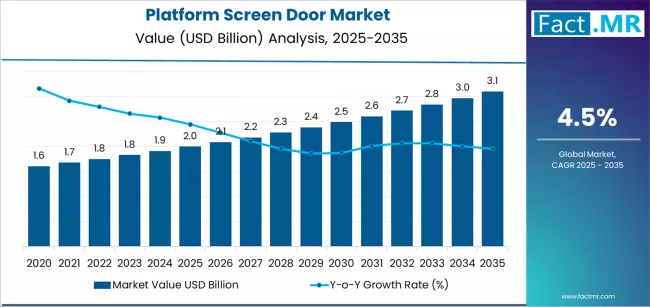
Rapid urbanization and the expansion of metro rail networks worldwide have intensified the need for advanced passenger safety systems. Among the critical innovations transforming urban transit infrastructure is the installation of platform screen doors (PSDs). The Platform Screen Door Market is gaining significant traction as cities invest in safer, smarter, and more efficient public transportation systems.
Platform screen doors serve as protective barriers between passengers and train tracks, improving safety, energy efficiency, and overall commuter experience. As metropolitan regions modernize transit networks, the demand for reliable and technologically advanced PSD systems continues to rise.
Market Overview
Platform screen doors are automated barriers installed along railway platforms to prevent accidental falls, unauthorized track access, and overcrowding risks. These doors synchronize with train doors to open and close simultaneously, ensuring seamless boarding and alighting.
The market includes different types of systems, such as full-height platform screen doors, half-height platform screen doors, and automated platform gates. Each configuration is designed to suit specific transit infrastructure requirements and budget considerations.
Growing investments in metro rail projects, high-speed rail networks, and airport transit systems are fueling the adoption of PSD solutions. Additionally, retrofitting older railway stations with modern safety systems is contributing to market growth.
Key Market Drivers
- Rising Urbanization and Metro Expansion
As urban populations grow, governments are expanding metro rail systems to reduce traffic congestion and carbon emissions. Platform screen doors enhance passenger safety and streamline operations in high-traffic transit environments. - Increased Focus on Passenger Safety
Safety remains a primary concern in public transportation systems. Platform screen doors help prevent accidental falls, suicides, and track intrusions, significantly improving station safety standards. - Energy Efficiency and Climate Control
Full-height platform screen doors contribute to energy savings by maintaining temperature control within underground stations. By separating the platform from the tunnel, they reduce air exchange and optimize HVAC efficiency. - Technological Advancements in Automation
Modern PSD systems incorporate advanced sensors, automated synchronization mechanisms, and remote monitoring capabilities. These innovations enhance operational reliability and reduce maintenance costs.
Regional Insights
Asia-Pacific holds a dominant position in the platform screen door market due to extensive metro network expansion in major cities. Rapid infrastructure development and increasing investments in smart city initiatives are supporting regional growth.
Europe demonstrates steady adoption, particularly in cities focused on upgrading public transport safety and sustainability standards. Environmental considerations and modernization projects drive demand for PSD installations.
North America is witnessing gradual growth as transit authorities upgrade existing subway systems and invest in new urban rail projects. Emphasis on commuter safety and operational efficiency is encouraging PSD integration.
Emerging economies in other regions are also exploring PSD adoption as part of broader transportation modernization strategies.
Technology and Innovation Trends
Technological innovation plays a crucial role in shaping the platform screen door market. Integration with advanced train control systems ensures precise synchronization between train and platform doors, minimizing operational delays.
Smart monitoring systems equipped with sensors detect obstructions and enhance passenger safety. Real-time data analytics help transit operators monitor system performance and conduct predictive maintenance.
Another notable trend is the development of modular and lightweight door systems. These designs simplify installation, particularly in retrofit projects where structural modifications may be limited.
Additionally, the use of durable and transparent materials enhances visibility while maintaining structural strength. Improved design aesthetics also contribute to a better passenger experience.
Applications Across Transit Systems
Platform screen doors are widely used across various transit infrastructures, including:
- Metro Rail Systems: Enhancing passenger safety in underground and elevated stations.
- High-Speed Rail Networks: Ensuring controlled boarding processes.
- Airport Transit Systems: Managing large passenger volumes efficiently.
- Light Rail Transit: Improving operational safety in urban settings.
Their adaptability makes them suitable for both new construction projects and modernization of existing stations.
Competitive Landscape
The platform screen door market is characterized by the presence of global engineering firms and specialized transportation infrastructure providers. Companies focus on innovation, customization, and turnkey solutions to strengthen their market position.
Strategic partnerships with metro rail authorities and infrastructure developers are common. Manufacturers emphasize high-quality materials, advanced automation features, and reliable after-sales services to gain competitive advantage.
Research and development efforts aim to enhance synchronization accuracy, durability, and cost-effectiveness. Customization capabilities are particularly important in retrofit projects where station layouts vary significantly.
Sustainability and Future Outlook
Sustainability is increasingly influencing public transportation projects. Platform screen doors contribute to energy conservation by improving climate control efficiency in stations. This aligns with broader environmental goals and carbon reduction initiatives.
The global push toward smart city development is expected to drive further adoption of PSD systems. As cities integrate intelligent transportation solutions, PSD technology will become a standard component of modern rail infrastructure.
Growing awareness of passenger safety, combined with advancements in automation and monitoring technologies, will continue to shape market evolution. Investments in high-capacity transit systems in densely populated regions are likely to create substantial growth opportunities.
Conclusion
The Platform Screen Door Market is playing a pivotal role in enhancing safety, efficiency, and sustainability within urban transportation networks. Driven by metro expansion, technological innovation, and increasing safety regulations, the market is steadily evolving.
As cities strive to provide secure and seamless commuting experiences, platform screen doors are emerging as essential infrastructure components. Their ability to improve passenger safety, optimize energy consumption, and integrate with smart transit systems underscores their long-term importance.
Organizations and transit authorities seeking to modernize public transportation networks can benefit from in-depth market insights and strategic planning to implement advanced platform screen door solutions effectively.
Browse Full Report – https://www.factmr.com/report/platform-screen-door-market