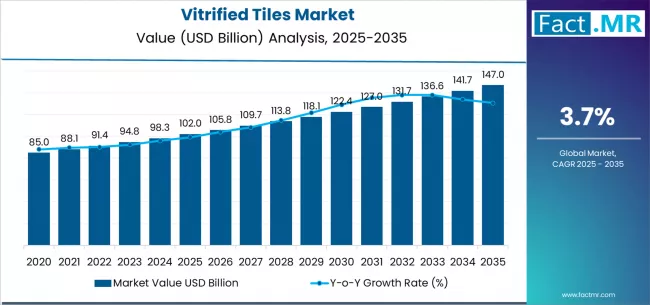
The global construction and interior design industries are evolving rapidly, driven by urbanization, infrastructure development, and changing consumer preferences. Within this dynamic environment, the Vitrified Tiles Market is experiencing steady growth as homeowners, commercial developers, and architects seek flooring and wall solutions that combine durability, aesthetics, and low maintenance. Vitrified tiles have become a preferred choice in residential, commercial, and industrial spaces due to their strength, water resistance, and premium finish.
As modern architecture emphasizes both functionality and visual appeal, vitrified tiles are playing a central role in shaping contemporary building designs across global markets.
Market Overview
Vitrified tiles are manufactured by blending clay, silica, feldspar, and quartz, which are then fired at high temperatures to create a glass-like surface with minimal porosity. This vitrification process enhances durability, stain resistance, and structural strength. Compared to traditional ceramic tiles, vitrified tiles offer superior performance, making them suitable for high-traffic areas and demanding environments.
The market includes various product types such as double-charged tiles, full-body vitrified tiles, glazed vitrified tiles, and soluble salt tiles. Technological advancements in digital printing and surface finishing techniques have expanded design possibilities, enabling manufacturers to replicate natural stone, marble, wood, and other premium materials.
Rising demand for sustainable and long-lasting building materials is further strengthening the adoption of vitrified tiles in construction projects worldwide.
Key Market Drivers
Rapid Urbanization and Infrastructure Development
Growing urban populations and large-scale infrastructure projects are driving the demand for durable flooring materials. Vitrified tiles are widely used in residential complexes, shopping malls, airports, hospitals, and office spaces.
Increasing Preference for Aesthetic Interiors
Consumers are increasingly prioritizing visually appealing interiors. Advanced printing technologies allow manufacturers to produce tiles with intricate designs and realistic textures, enhancing architectural appeal.
Durability and Low Maintenance
Vitrified tiles are known for their high strength, scratch resistance, and low water absorption. These properties make them suitable for both indoor and outdoor applications, reducing maintenance costs over time.
Expansion of Real Estate Sector
The growth of the residential and commercial real estate sectors continues to fuel demand for modern flooring solutions. Developers prefer vitrified tiles for their long lifespan and premium appearance.
Market Segmentation
By Product Type
- Double-charged vitrified tiles
- Full-body vitrified tiles
- Glazed vitrified tiles
- Soluble salt vitrified tiles
Glazed vitrified tiles are gaining popularity due to their wide range of designs and finishes. Full-body vitrified tiles are preferred for high-traffic commercial areas due to uniform color and enhanced durability.
By Application
- Residential flooring and wall cladding
- Commercial spaces
- Industrial flooring
- Outdoor paving
Residential applications account for a significant share of the market, supported by rising housing developments and home renovation trends. Commercial spaces such as retail outlets and hospitality establishments also represent strong growth segments.
By Distribution Channel
- Direct sales
- Distributors and wholesalers
- Online retail platforms
The growth of e-commerce and digital platforms is transforming the way consumers purchase construction materials, enabling easier product comparison and broader market access.
Regional Insights
Asia-Pacific
Asia-Pacific is a leading region in the vitrified tiles market, driven by rapid urbanization, expanding middle-class populations, and strong construction activity. Countries in this region are investing heavily in residential and commercial infrastructure development.
North America
North America is witnessing growing adoption of premium flooring solutions, particularly in renovation and remodeling projects. Consumers prioritize durability and aesthetic appeal, contributing to market expansion.
Europe
Europe emphasizes sustainable building practices and energy-efficient construction materials. The demand for high-quality tiles with modern designs supports steady market growth.
Middle East & Africa
Large-scale infrastructure projects and luxury real estate developments are fueling demand for vitrified tiles in the region. High-end commercial and hospitality projects significantly contribute to market expansion.
Latin America
Urban growth and improving economic conditions are encouraging investment in residential construction, boosting the demand for durable and cost-effective tile solutions.
Key Trends & Forecast
- Adoption of digital printing technology for customized designs.
- Growing demand for large-format vitrified tiles.
- Increased focus on eco-friendly manufacturing processes.
- Expansion of smart showrooms and virtual product visualization tools.
- Rising use of vitrified tiles in outdoor and façade applications.
Manufacturers are increasingly investing in research and development to improve product quality and enhance design innovation. Sustainability initiatives, including energy-efficient production methods and waste reduction, are also shaping industry trends.
Competitive Landscape
The vitrified tiles market comprises global manufacturers, regional producers, and local distributors. Companies compete based on product innovation, design variety, pricing strategies, and distribution network strength. Strategic partnerships, capacity expansion, and technological upgrades are common approaches adopted by market participants to enhance competitiveness.
Brand differentiation plays a significant role in this market, as customers often prioritize reputation, quality assurance, and after-sales support. Manufacturers are also focusing on expanding export opportunities to tap into emerging markets.
Applications & End-Use Outlook
Vitrified tiles are widely used in residential homes for living rooms, kitchens, bathrooms, and balconies. In commercial environments, they are installed in office spaces, shopping centers, hotels, and healthcare facilities due to their durability and easy maintenance.
Industrial facilities prefer vitrified tiles for their resistance to heavy loads and harsh conditions. Outdoor applications such as pavements, terraces, and façades are also increasing as weather-resistant tile variants gain popularity.
As global construction activity continues to rise and consumers seek durable yet elegant solutions, vitrified tiles are expected to maintain strong demand across diverse end-use segments.
Challenges
Despite favorable growth prospects, the market faces challenges such as fluctuations in raw material prices, intense competition, and environmental regulations related to manufacturing processes. Additionally, alternative flooring materials may create competitive pressure. However, continuous innovation and improved product performance are helping manufacturers overcome these obstacles.
Conclusion
The Vitrified Tiles Market stands at the intersection of durability, design innovation, and modern construction trends. With increasing urban development, growing real estate investments, and rising consumer preference for premium interiors, vitrified tiles are poised for sustained expansion.
By combining strength, aesthetic versatility, and cost efficiency, vitrified tiles continue to redefine contemporary flooring and wall solutions, supporting the global construction industry’s evolving demands.
Browse Full Report – https://www.factmr.com/report/vitrified-tiles-market