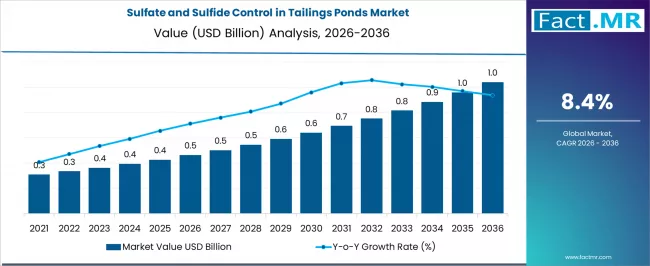
Mining activities play a critical role in supporting global industrial development, but they also generate large volumes of waste materials that must be managed responsibly. One of the most pressing environmental challenges associated with mining operations is the accumulation of sulfates and sulfides in tailings ponds. These compounds, if left untreated, can lead to acid mine drainage, groundwater contamination, and long-term ecological damage. As environmental scrutiny intensifies, the sulfate and sulfide control in tailings ponds market is gaining strategic importance across the mining sector.
Growing regulatory oversight, heightened environmental awareness, and corporate sustainability commitments are driving the adoption of advanced treatment and monitoring solutions. Mining companies are increasingly investing in effective control technologies to reduce environmental risks while ensuring compliance with evolving environmental standards.
Market Overview
The sulfate and sulfide control in tailings ponds market encompasses a range of chemical, biological, and physical treatment solutions designed to neutralize, remove, or stabilize sulfur-based compounds in mining waste streams. These solutions are essential for preventing the formation of acidic conditions that can mobilize heavy metals and contaminate surrounding ecosystems.
Common approaches include chemical precipitation, biological treatment methods, passive treatment systems, and integrated water management strategies. Increasingly, mining operators are adopting customized treatment programs based on ore composition, climate conditions, and regulatory requirements. The market also includes monitoring systems and consulting services that support long-term tailings management and risk mitigation.
The shift toward sustainable mining practices has transformed sulfate and sulfide control from a compliance-driven requirement into a core component of responsible resource extraction. This transition is reinforcing market growth and encouraging innovation in treatment technologies.
Regional Insights
Regional adoption patterns are shaped by mining intensity, environmental regulations, and public awareness. Regions with well-established mining industries are at the forefront of implementing sulfate and sulfide control measures, supported by strict environmental compliance frameworks and advanced technical expertise.
In emerging mining regions, adoption is accelerating as governments strengthen environmental policies and require mining operators to implement proactive tailings management strategies. International mining companies operating across multiple geographies are also driving technology transfer and standardization of best practices.
Areas with water scarcity concerns are placing particular emphasis on tailings pond treatment and water reuse. Effective sulfate and sulfide control supports not only environmental protection but also improved water recovery, making it a priority in regions facing increasing pressure on water resources.
Key Trends & Market Outlook
One of the key trends shaping the market is the growing adoption of environmentally friendly and low-impact treatment technologies. Biological treatment methods, including sulfate-reducing bacteria systems, are gaining attention for their ability to treat contaminants while minimizing chemical usage.
Another important trend is the integration of treatment solutions with digital monitoring and automation systems. Real-time water quality monitoring allows operators to detect changes in sulfate and sulfide levels early, enabling timely intervention and reducing the risk of environmental incidents.
The market is also witnessing increased collaboration between mining companies, technology providers, and environmental consultants. These partnerships support the development of site-specific treatment strategies that balance operational efficiency with environmental responsibility.
Long-term tailings management planning is becoming a standard practice, with sulfate and sulfide control solutions being incorporated from the early stages of mine design. This proactive approach reduces remediation costs and improves regulatory compliance throughout the mine lifecycle.
Applications & End-Use Outlook
Sulfate and sulfide control solutions are widely applied across various types of mining operations, including metal mining, coal mining, and mineral extraction activities. In metal mining, effective control measures are essential for preventing acid mine drainage and protecting nearby water bodies.
Coal mining operations rely on these solutions to manage sulfur-rich waste materials and minimize downstream environmental impacts. In mineral processing facilities, sulfate and sulfide treatment supports water recycling and improves overall process sustainability.
Beyond active mining sites, these solutions are increasingly used in mine closure and rehabilitation projects. Long-term control of sulfate and sulfide levels is critical for ensuring that decommissioned tailings ponds do not pose ongoing environmental risks.
Environmental service providers and engineering firms also represent key end users, offering integrated tailings management solutions to mining companies seeking comprehensive environmental protection strategies.
Competitive Landscape and Strategic Developments
The market features a diverse mix of chemical suppliers, environmental technology companies, engineering firms, and specialized service providers. Competitive differentiation is driven by technological innovation, treatment efficiency, regulatory expertise, and the ability to deliver customized solutions.
Companies are increasingly aligning their offerings with global sustainability goals and environmental stewardship initiatives. Investment in research and development, pilot-scale testing, and long-term performance monitoring is strengthening market credibility and adoption.
Strategic partnerships and long-term service agreements are common, enabling solution providers to support mining operators throughout the operational and post-closure phases of mining projects.
Conclusion
The sulfate and sulfide control in tailings ponds market plays a vital role in advancing sustainable mining practices and protecting environmental resources. As regulatory expectations rise and environmental risks gain greater visibility, effective control solutions are becoming indispensable for responsible mining operations.
By adopting advanced treatment technologies and proactive management strategies, mining companies can mitigate environmental impacts, enhance water stewardship, and strengthen their social license to operate. Comprehensive market insights, such as those provided by Fact.MR, offer valuable guidance for stakeholders seeking to navigate technological advancements, regulatory trends, and long-term opportunities in this evolving market.
Browse Full Report – https://www.factmr.com/report/sulfate-and-sulfide-control-in-tailings-ponds-market