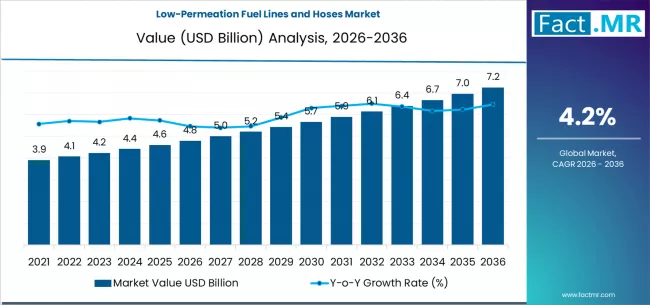
The automotive industry is witnessing a major transformation as manufacturers focus on sustainability, fuel efficiency, and emission reduction. In this evolving landscape, low-permeation fuel lines and hoses are emerging as essential components for modern fuel systems. These specialized products are engineered to minimize fuel vapor loss, enhance safety, and support compliance with stringent environmental regulations. As automakers increasingly prioritize regulatory adherence and operational efficiency, the low-permeation fuel lines and hoses market is witnessing substantial attention from OEMs, suppliers, and aftermarket stakeholders.
Market Overview
Low-permeation fuel lines and hoses are designed to reduce the escape of hydrocarbons from fuel delivery systems, thereby mitigating air pollution and improving fuel economy. They are typically constructed using advanced materials, multi-layered designs, and barrier technologies that limit the permeation of fuel vapors. These systems are compatible with gasoline, diesel, and alternative fuels, including biofuels and ethanol blends, making them versatile for a wide range of automotive applications.
The market encompasses a diverse range of products, including reinforced hoses, high-pressure lines, fuel transfer tubes, and connector assemblies. These components play a critical role in modern vehicles equipped with high-efficiency engines, turbocharging systems, and hybrid powertrains. By reducing evaporative emissions and ensuring safe fuel delivery, low-permeation lines and hoses contribute to vehicle reliability, regulatory compliance, and environmental sustainability.
Key Market Drivers
The increasing focus on environmental regulations and emission standards is a primary driver for the adoption of low-permeation fuel lines and hoses. Governments around the world are enforcing stricter limits on hydrocarbon emissions from vehicles, creating a strong demand for fuel system components that reduce vapor loss and meet compliance requirements.
Fuel efficiency mandates and rising consumer awareness regarding environmental sustainability are further supporting market growth. By minimizing fuel evaporation, these hoses and lines help vehicles achieve improved fuel economy, contributing to reduced operating costs and lower environmental impact.
Technological advancement in materials science is another key driver. Innovations in multilayer polymer technology, fluoropolymer coatings, and reinforced composites have improved the durability, chemical resistance, and permeation performance of fuel hoses and lines, making them suitable for a broader range of operating conditions and fuels.
Regional Insights
North America represents a significant market for low-permeation fuel lines and hoses due to stringent emission regulations, advanced automotive manufacturing, and widespread adoption of high-efficiency vehicles. The region’s focus on sustainable mobility and innovation in fuel systems continues to support demand for these specialized components.
Europe is also a prominent market, driven by rigorous regulatory frameworks and growing emphasis on reducing vehicle emissions. European OEMs and suppliers are investing in advanced materials and manufacturing techniques to meet regional standards while enhancing vehicle performance.
The Asia-Pacific region is emerging as a high-growth market due to increasing automotive production, rising vehicle ownership, and growing environmental awareness. Countries in this region are witnessing adoption of advanced fuel system components across passenger vehicles, commercial vehicles, and off-highway applications.
Key Trends & Forecast
Several technological and industry trends are shaping the low-permeation fuel lines and hoses market:
- Advancements in materials: Multi-layered polymers, fluoropolymer barriers, and reinforced composites improve durability and reduce fuel vapor permeation.
- Integration with hybrid and alternative fuel systems: Compatibility with ethanol blends, biofuels, and electrified powertrains expands market applications.
- Focus on lightweight designs: Reducing weight in fuel systems supports overall vehicle fuel efficiency and lowers emissions.
- Aftermarket and replacement growth: Rising demand for replacement components in older vehicles ensures continuous market opportunities.
These trends indicate a future market that balances regulatory compliance, technological innovation, and sustainability priorities.
Applications & End-Use Outlook
The primary application of low-permeation fuel lines and hoses is in passenger vehicles, where fuel efficiency, emission control, and safety are critical. These components are widely used in fuel injection systems, fuel transfer lines, vapor recovery systems, and fuel tank assemblies.
Commercial vehicles, including trucks, buses, and construction machinery, are also increasingly adopting low-permeation fuel systems to comply with regional emission regulations and reduce fuel losses. In addition, off-highway vehicles and marine applications benefit from enhanced durability and resistance to harsh operating environments, supporting broader market penetration.
Aftermarket demand is growing as replacement and retrofitting of older fuel system components becomes necessary to maintain emission standards and fuel efficiency in existing vehicle fleets.
Competitive Landscape
The low-permeation fuel lines and hoses market is characterized by intense competition among global and regional suppliers. Key players are investing in research and development to enhance material performance, reduce costs, and meet evolving regulatory standards. Partnerships with automotive OEMs, material suppliers, and technology providers enable manufacturers to deliver innovative and application-specific solutions.
Product differentiation is increasingly driven by material innovation, resistance to chemical degradation, operational temperature range, and integration capabilities with modern fuel systems. Strategic collaborations, mergers, and acquisitions are also shaping the competitive landscape, enabling players to expand their geographical reach and strengthen technological capabilities.
Conclusion
Low-permeation fuel lines and hoses are critical enablers for cleaner, safer, and more efficient fuel systems in modern vehicles. By minimizing fuel vapor emissions, improving durability, and supporting compliance with stringent environmental regulations, these components play a vital role in sustainable automotive operations. As vehicle technologies evolve toward higher efficiency and alternative fuels, the demand for advanced fuel system components is expected to grow steadily. Market insights and technology trends can help stakeholders capitalize on opportunities in this rapidly developing segment of the automotive supply chain.
Browse Full Report – https://www.factmr.com/report/low-permeation-fuel-lines-and-hoses-market