The global food industry relies heavily on efficient transportation, storage, and distribution systems to ensure that products reach consumers safely and on time. The Food Logistics Market plays a critical role in maintaining food quality, minimizing waste, and supporting international trade. With rising demand for fresh produce, frozen foods, ready-to-eat meals, and processed products, food logistics has become an essential backbone of modern supply chains.
Changing consumer preferences, expanding e-commerce grocery platforms, and growing cross-border food trade are transforming logistics operations worldwide. As food safety regulations tighten and sustainability becomes a priority, companies are increasingly investing in advanced cold chain infrastructure and smart logistics technologies.
Market Overview
Food logistics refers to the management of transportation, warehousing, packaging, inventory control, and distribution of food products from producers to end consumers. The market encompasses multiple service segments, including cold chain logistics, dry storage, freight forwarding, and last-mile delivery solutions.
The market is segmented based on transportation mode, product type, service type, and end-use industry. Transportation modes include roadways, railways, airways, and seaways. Among these, road transport remains dominant for short- and medium-distance deliveries, while sea and air freight are essential for international trade.
By product category, food logistics covers:
- Fresh fruits and vegetables
- Meat, poultry, and seafood
- Dairy products
- Frozen foods
- Processed and packaged foods
- Beverages
Cold chain logistics, which ensures temperature-controlled transportation and storage, is particularly vital for perishable goods such as dairy, meat, and frozen items.
Key Market Drivers
- Rising Demand for Perishable Food Products
Consumers worldwide are increasingly demanding fresh, organic, and minimally processed foods. This trend requires robust cold chain infrastructure to maintain product quality and safety during transit and storage.
- Expansion of E-Commerce and Online Grocery
The rapid growth of online grocery platforms has significantly influenced food logistics operations. Faster delivery expectations and doorstep service requirements are encouraging companies to optimize last-mile distribution networks and adopt digital tracking systems.
- Globalization of Food Trade
International trade in food products is expanding, driven by changing dietary preferences and cross-border supply chains. Food logistics providers must ensure compliance with diverse regulatory standards while maintaining product integrity across long distances.
- Stringent Food Safety Regulations
Governments and regulatory bodies are implementing strict food safety guidelines to prevent contamination and spoilage. Advanced monitoring technologies and temperature-controlled systems are becoming essential to meet compliance standards.
Regional Insights
North America
North America represents a significant share of the food logistics market due to well-established cold chain infrastructure and strong demand for packaged and frozen foods. The region’s advanced transportation networks and technological adoption further support market growth.
Europe
Europe is characterized by stringent food safety regulations and high consumer awareness regarding product quality. Efficient cross-border trade within the region drives demand for reliable and compliant logistics services.
Asia-Pacific
Asia-Pacific is emerging as a fast-growing market, supported by urbanization, rising disposable incomes, and increasing demand for processed foods. Rapid expansion of retail chains and online grocery platforms is strengthening logistics networks across the region.
Latin America & Middle East
These regions are experiencing steady growth as food production, exports, and infrastructure development improve. Investments in modern cold storage facilities are enhancing supply chain capabilities.
Key Trends & Forecast
Growth of Cold Chain Infrastructure
The expansion of refrigerated warehouses, temperature-controlled vehicles, and monitoring systems is a major trend shaping the food logistics market. Companies are investing in advanced cooling technologies to reduce spoilage and extend product shelf life.
Adoption of Digital Tracking and IoT
Logistics providers are increasingly integrating Internet of Things (IoT) sensors and real-time tracking systems to monitor temperature, humidity, and shipment conditions. Digital platforms enhance transparency and enable quick responses to disruptions.
Sustainable and Green Logistics
Environmental concerns are encouraging the adoption of energy-efficient vehicles, optimized routing, and eco-friendly packaging solutions. Companies are striving to reduce carbon footprints while maintaining operational efficiency.
Automation in Warehousing
Automated storage and retrieval systems, robotics, and AI-driven inventory management are improving operational speed and accuracy in food warehouses. Automation helps reduce labor dependency and enhances supply chain reliability.
Applications & End-Use Outlook
Food logistics services are essential across various end-use segments:
- Retail and Supermarkets: Ensuring consistent supply of fresh and packaged foods to physical stores.
- Foodservice Industry: Supporting restaurants, hotels, and catering businesses with timely deliveries.
- E-Commerce Grocery Platforms: Managing rapid order fulfillment and last-mile distribution.
- Food Manufacturers: Coordinating raw material procurement and finished product distribution.
Retail chains and online grocery platforms are major contributors to market demand, driven by consumer expectations for freshness and fast delivery.
Challenges in the Market
Despite promising growth, the food logistics market faces several challenges:
- High operational and fuel costs
- Infrastructure limitations in developing regions
- Risk of spoilage during transportation
- Complex regulatory compliance requirements
Maintaining temperature consistency and ensuring timely deliveries across long distances remain critical operational hurdles. However, technological advancements and strategic partnerships are helping mitigate these challenges.
Competitive Landscape
The food logistics market is highly competitive, with global and regional players offering specialized transportation and storage services. Companies are focusing on expanding cold chain networks, enhancing digital capabilities, and forming strategic alliances with food producers and retailers.
Investment in infrastructure modernization and innovation is a key strategy for gaining a competitive edge. Many logistics providers are diversifying service portfolios to include value-added services such as packaging, labeling, and inventory management.
Future Outlook
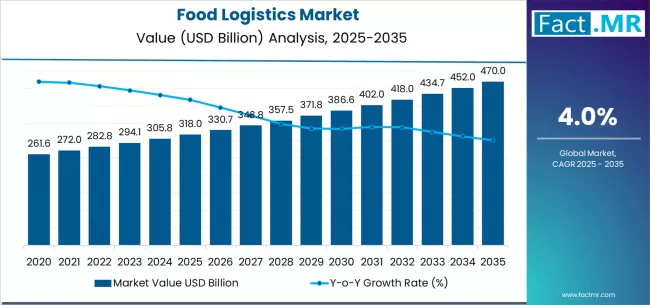
The future of the food logistics market looks promising as global food consumption patterns evolve and supply chains become more interconnected. The continued growth of e-commerce, coupled with increasing emphasis on food safety and sustainability, will drive demand for advanced logistics solutions.
Emerging technologies such as blockchain for traceability and AI-powered demand forecasting are expected to further enhance supply chain transparency and efficiency. As global populations grow and urbanization accelerates, reliable food logistics systems will remain indispensable.
Conclusion
The food logistics market serves as a vital link between food producers and consumers worldwide. Efficient transportation, storage, and distribution systems are essential for maintaining product quality, reducing waste, and ensuring food security.
With rising demand for fresh and processed foods, expanding digital commerce, and growing regulatory oversight, the sector is poised for sustained growth. Businesses seeking to remain competitive must invest in advanced cold chain infrastructure and smart logistics technologies. Comprehensive market insights can support informed decision-making and help stakeholders capitalize on emerging opportunities in this dynamic industry.
Browse Full Report – https://www.factmr.com/report/food-logistics-market