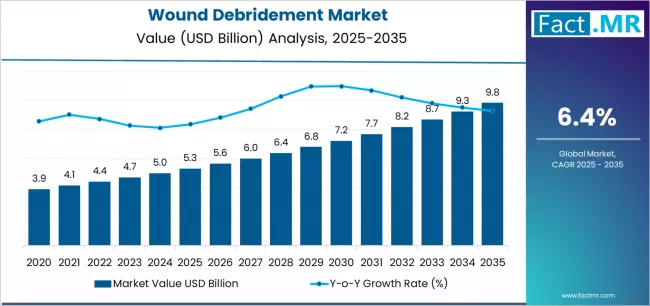
The wound debridement market is experiencing steady growth as healthcare systems increasingly prioritize chronic wound management, infection prevention, and faster healing protocols. Wound debridement—the medical removal of necrotic, infected, or damaged tissue—is a critical procedure that promotes tissue regeneration, reduces complications, and improves patient outcomes. As chronic conditions such as diabetes, pressure ulcers, and vascular disorders rise, demand for effective debridement products and methods is accelerating across hospitals, specialized clinics, and home healthcare settings.
Market Overview
The wound debridement market includes a variety of products and methods designed to support efficient tissue removal and wound healing. Products encompass medical gauzes, gels, ointments, irrigation solutions, surgical devices, and ultrasonic tools. Methods include surgical, enzymatic, autolytic, mechanical, and combined approaches, each tailored to wound type and patient condition.
Advances in debridement technologies, coupled with clinical evidence supporting improved healing rates and reduced infection risk, have strengthened market adoption. Healthcare providers increasingly rely on standardized protocols to integrate debridement into comprehensive wound care strategies, particularly for diabetic foot ulcers, pressure ulcers, venous leg ulcers, and burn wounds.
Regional Insights
Globally, the wound debridement market demonstrates notable regional variation. North America maintains a significant presence due to advanced healthcare infrastructure, high awareness of chronic wound management, and adoption of evidence-based protocols. Europe follows closely, supported by strong clinical research and regulatory frameworks. Meanwhile, Asia-Pacific is emerging as a growth hub, fueled by expanding healthcare facilities, rising chronic disease prevalence, and increasing investment in wound care services. Other regions, including Latin America and the Middle East & Africa, are gradually developing markets through hospital modernization and home healthcare adoption.
Key Trends and Forecast
- Surgical Debridement Dominance: Surgical methods continue to be widely utilized for rapid and precise tissue removal, particularly in acute and complex wounds.
- Home Healthcare Expansion: Increasing demand for wound care in outpatient and home settings has expanded market opportunities for user-friendly debridement solutions and telemedicine support.
- Chronic Disease Management: Rising diabetes prevalence and aging populations drive the need for effective debridement protocols to prevent complications like amputations and prolonged hospital stays.
- Product Innovation: Development of bioactive dressings, antimicrobial-impregnated gauzes, and selective enzymatic agents is enhancing clinical efficacy and patient comfort.
- Integrated Care Pathways: Hospitals and specialized clinics are incorporating standardized debridement protocols within broader wound care programs to improve outcomes and streamline operations.
Applications and End-Use Outlook
Wound debridement products and procedures are applied across a variety of healthcare settings:
- Hospital Inpatient Units: Acute care for surgical wounds, burn management, and severe chronic wounds.
- Outpatient Clinics: Routine wound maintenance, follow-up care, and management of pressure and venous ulcers.
- Complex Wound Clinics: Specialized centers focusing on advanced chronic wound care and difficult-to-heal cases.
- Home Healthcare: Patient-managed or nurse-assisted debridement for long-term chronic wound management.
- General Practitioners: Early-stage interventions and referrals to specialized wound care services.
The versatility of wound debridement solutions enables their integration into multi-setting care pathways, improving accessibility and treatment efficiency.
Market Drivers
- Rising Chronic Wound Prevalence: Increased incidence of diabetic foot ulcers, pressure ulcers, and burn wounds necessitates advanced debridement interventions.
- Clinical Efficacy of Debridement Protocols: Demonstrated benefits, such as faster healing, reduced infection rates, and improved patient quality of life, promote widespread adoption.
- Technological Advancements: Innovations in surgical devices, enzymatic agents, and bioactive dressings enhance treatment precision, safety, and patient comfort.
- Government and Healthcare Initiatives: Programs emphasizing diabetes management, pressure ulcer prevention, and standardized wound care protocols support market growth.
- Home Healthcare and Telemedicine Integration: Expanding outpatient services create demand for easy-to-use debridement products and remote monitoring capabilities.
Challenges
- High Treatment Costs: Advanced debridement products and specialized devices may be expensive, limiting adoption in resource-constrained settings.
- Limited Reimbursement: In certain regions, reimbursement policies may not fully cover advanced wound care procedures, impacting accessibility.
- Technical Complexity: Proper wound assessment and method selection require trained healthcare personnel, which may restrict usage in developing regions.
- Infrastructure Limitations: Specialized debridement and chronic wound care facilities may be scarce in emerging markets.
Future Outlook
The wound debridement market is poised for continued growth, driven by the increasing prevalence of chronic wounds, aging populations, and demand for advanced wound care protocols. Expansion in outpatient services, home healthcare, and specialized wound clinics presents opportunities for product innovation and service development. Future trends are likely to focus on patient-friendly solutions, antimicrobial and bioactive dressings, minimally invasive surgical devices, and integration with digital health platforms for wound monitoring and remote care.
Healthcare providers are expected to prioritize protocols that combine clinical efficacy with patient comfort and cost-effectiveness, leading to broader adoption across various healthcare settings. Strategic collaborations between manufacturers, hospitals, and research institutions will further accelerate market expansion and improve access to advanced wound care solutions globally.
Conclusion
The wound debridement market is essential for advancing effective wound care, supporting faster healing, infection control, and improved patient outcomes. As chronic diseases and aging populations continue to rise, the need for innovative debridement products and methods across hospitals, specialized clinics, and home healthcare settings will expand. Market growth will be driven by technological innovation, evidence-based care protocols, and increasing accessibility, positioning wound debridement as a critical component of modern healthcare systems.
Browse Full Report – https://www.factmr.com/report/wound-debridement-market