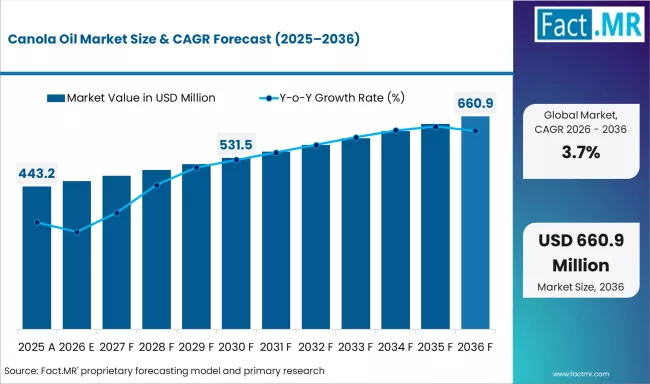
As consumers worldwide become more health-conscious and sustainability-driven, the canola oil market is experiencing notable growth. Known for its light texture, neutral flavor, and favorable nutritional profile, canola oil has become a preferred choice in both household and commercial cooking. Its versatility, combined with rising demand for healthier edible oils, is positioning canola oil as a key component in the evolving global food industry.
Market Overview:
The canola oil market comprises the production, processing, distribution, and consumption of oil extracted from canola seeds. It is widely used across food processing, foodservice, and retail sectors due to its low saturated fat content and high levels of beneficial fatty acids. In addition to culinary applications, canola oil is also utilized in industrial uses such as biofuels and lubricants.
Growing awareness about the link between diet and health is encouraging consumers to shift away from traditional cooking oils toward alternatives perceived as healthier. This trend is driving the adoption of canola oil in daily diets. Moreover, advancements in agricultural practices and oil extraction technologies are enhancing yield and quality, supporting market expansion.
The increasing demand for processed and convenience foods is also contributing to the growth of the canola oil market. Food manufacturers prefer canola oil for its stability, long shelf life, and ability to maintain flavor integrity in various products.
Regional Insights:
North America holds a leading position in the canola oil market, supported by large-scale production and well-established processing infrastructure. The region benefits from strong agricultural capabilities and high consumption of edible oils, making it a major contributor to global supply and demand.
Europe represents a significant market, driven by rising health awareness and a preference for plant-based oils. Regulatory support for sustainable agriculture and biofuel production is also encouraging the use of canola oil in non-food applications.
Asia-Pacific is emerging as a rapidly growing region in the canola oil market. Increasing population, rising disposable incomes, and changing dietary habits are driving demand for healthier cooking oils. Expanding food processing industries and urbanization are further boosting market growth in this region.
Key Trends & Forecast:
One of the key trends shaping the canola oil market is the growing demand for non-genetically modified and organic products. Consumers are increasingly seeking transparency in food sourcing and production, prompting manufacturers to offer certified organic and non-GMO canola oil options.
Another important trend is the rising use of canola oil in biofuel production. As governments and industries focus on reducing carbon emissions, canola oil is being utilized as a renewable energy source. This dual demand from both food and energy sectors is strengthening the market outlook.
Technological advancements in oil extraction and refining processes are also playing a crucial role. Improved processing methods are enhancing oil quality, nutritional value, and production efficiency, enabling manufacturers to meet evolving consumer expectations.
Sustainability is becoming a central focus, with stakeholders emphasizing environmentally friendly farming practices and responsible supply chain management. Efforts to reduce waste, conserve resources, and minimize environmental impact are gaining traction across the industry.
Additionally, the expansion of the foodservice sector and the growing popularity of international cuisines are increasing the demand for versatile cooking oils like canola oil. Its ability to perform well in frying, baking, and salad dressings makes it a preferred choice among chefs and foodservice providers.
Applications & End-Use Outlook:
The canola oil market serves a wide range of applications, primarily in the food industry. It is extensively used in cooking, frying, baking, and as an ingredient in processed foods such as snacks, sauces, and margarine. Its neutral taste and high smoke point make it suitable for diverse culinary uses.
In the industrial sector, canola oil is used in the production of biodiesel, offering a renewable alternative to conventional fossil fuels. It is also utilized in the manufacturing of lubricants, cosmetics, and personal care products due to its beneficial properties.
Households represent a major end-use segment, driven by increasing awareness of healthy cooking practices. At the same time, the foodservice industry, including restaurants and catering services, is a significant consumer of canola oil due to its cost-effectiveness and performance.
Food processing companies are also key end users, incorporating canola oil into a variety of packaged and convenience foods. The growing demand for ready-to-eat and ready-to-cook products is further supporting this segment.
Competitive Landscape:
The canola oil market is characterized by the presence of numerous global and regional players competing to expand their market share. Companies are focusing on product innovation, quality improvement, and sustainable sourcing to differentiate themselves in a competitive environment.
Strategic initiatives such as mergers, acquisitions, and partnerships are common as companies seek to strengthen their supply chains and enhance production capabilities. Investments in research and development are also enabling the introduction of new product variants, including organic and specialty oils.
Brand positioning and marketing strategies play a crucial role in attracting consumers, particularly in the retail segment. Companies are emphasizing the health benefits and versatility of canola oil to build consumer trust and loyalty.
In addition, supply chain optimization and efficient distribution networks are essential for meeting growing demand and ensuring product availability across different regions.
Conclusion:
The canola oil market is evolving in response to changing consumer preferences, technological advancements, and sustainability considerations. As demand for healthier and more versatile edible oils continues to rise, canola oil is well-positioned to play a central role in the global food and energy landscape.
With increasing applications across food, industrial, and biofuel sectors, the market offers significant growth opportunities for stakeholders. Companies that prioritize innovation, sustainability, and consumer-centric approaches will be better equipped to succeed in this dynamic environment.
Access to comprehensive market insights and strategic analysis can help businesses navigate market complexities, identify emerging trends, and capitalize on opportunities in the expanding canola oil market.
Browse Full Report: https://www.factmr.com/report/98/canola-oil-market