The global cars market continues to evolve as a cornerstone of modern transportation, reflecting rapid technological advancements, changing consumer preferences, and a growing emphasis on sustainability. As mobility becomes more connected, autonomous, shared, and electric, the automotive industry is undergoing a profound transformation. This shift is not only redefining how vehicles are designed and manufactured but also how they are owned and used, making the cars market a dynamic and innovation-driven sector.
Market Overview:
The cars market encompasses a wide range of vehicles, including passenger cars powered by internal combustion engines, hybrid systems, and fully electric drivetrains. It is influenced by multiple factors such as urbanization, rising disposable incomes, regulatory frameworks, and advancements in automotive technology. Manufacturers are increasingly integrating digital features, connectivity solutions, and advanced driver-assistance systems to enhance safety, comfort, and user experience.
The industry is also witnessing a transition from traditional ownership models to mobility-as-a-service solutions, including car-sharing and subscription-based services. This shift is reshaping consumer expectations and encouraging automakers to adopt flexible business models. Additionally, the integration of artificial intelligence, data analytics, and Internet of Things (IoT) technologies is enabling smarter and more efficient vehicles.
Regional Insights:
North America remains a significant market due to strong consumer demand, high vehicle ownership rates, and continuous innovation in automotive technologies. The presence of leading automakers and technology companies further accelerates market growth in this region.
Europe plays a crucial role in the cars market, driven by stringent environmental regulations and a strong push toward electrification. Governments and regulatory bodies are promoting low-emission vehicles, encouraging manufacturers to invest heavily in electric and hybrid car development.
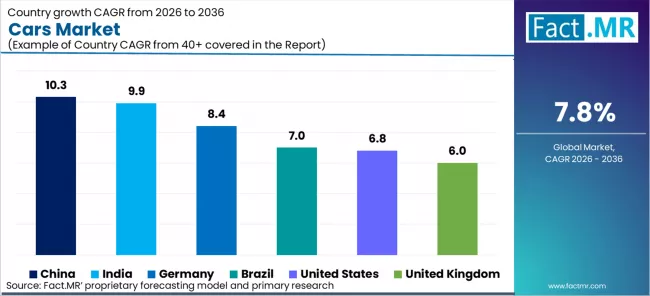
Asia-Pacific is emerging as a dominant force in the global cars market, supported by rapid urbanization, expanding middle-class populations, and increasing demand for personal mobility. Countries in this region are also investing in electric vehicle infrastructure and production capabilities, positioning themselves as key players in the future of automotive mobility.
Key Trends & Forecast:
One of the most prominent trends in the cars market is the shift toward electric vehicles. Automakers are focusing on developing efficient battery technologies, extending driving ranges, and reducing charging times to enhance the appeal of electric cars. This transition is supported by favorable government policies and growing environmental awareness among consumers.
Another significant trend is the advancement of autonomous driving technologies. Companies are investing in research and development to achieve higher levels of vehicle automation, aiming to improve road safety and reduce human error. While fully autonomous vehicles are still in development, partial automation features are becoming increasingly common in modern cars.
Connectivity is also transforming the cars market. Vehicles are now equipped with advanced infotainment systems, real-time navigation, and seamless integration with smartphones and digital ecosystems. This connectivity enhances the overall driving experience and enables features such as remote diagnostics and over-the-air updates.
Sustainability is a key focus area, with manufacturers exploring eco-friendly materials, energy-efficient production processes, and recycling initiatives. The shift toward circular economy practices is gaining momentum, as companies aim to reduce their environmental footprint.
In addition, the rise of shared mobility solutions is influencing the market landscape. Car-sharing and ride-hailing services are gaining popularity, particularly in urban areas, reducing the need for individual car ownership and promoting efficient use of resources.
Applications & End-Use Outlook:
The cars market serves a diverse range of applications, catering to personal, commercial, and fleet-based transportation needs. Passenger cars remain the primary segment, driven by increasing demand for convenient and reliable mobility solutions.
In the commercial sector, businesses are adopting fleet vehicles for logistics, transportation, and service operations. The integration of telematics and fleet management systems is improving operational efficiency and reducing costs.
The growing popularity of ride-hailing and car-sharing platforms is also shaping the end-use landscape. These services provide flexible and cost-effective mobility options, particularly in densely populated urban areas. As a result, automakers are collaborating with mobility service providers to expand their reach and diversify revenue streams.
Furthermore, the adoption of electric and hybrid cars is gaining traction across both personal and commercial segments. Companies are transitioning to sustainable fleets to meet environmental goals and comply with regulatory requirements.
Competitive Landscape:
The cars market is highly competitive, with established automakers and new entrants striving to gain a competitive edge. Traditional manufacturers are investing in research and development to enhance vehicle performance, safety, and sustainability. At the same time, new players, including technology companies and electric vehicle startups, are introducing innovative solutions that challenge conventional industry norms.
Strategic partnerships, mergers, and collaborations are becoming increasingly common as companies seek to leverage complementary strengths and accelerate innovation. Investments in digital technologies, battery development, and autonomous driving systems are key areas of focus for market participants.
Brand differentiation is also crucial, with companies emphasizing design, performance, and user experience to attract and retain customers. The ability to adapt to changing market dynamics and consumer preferences will determine long-term success in this evolving landscape.
Conclusion:
The cars market is undergoing a transformative phase, driven by technological innovation, sustainability initiatives, and shifting mobility patterns. As the industry moves toward electrification, automation, and connectivity, the role of cars is expanding beyond traditional transportation to become an integral part of a broader mobility ecosystem.
Organizations that embrace innovation, invest in advanced technologies, and align with evolving regulatory and consumer expectations will be well-positioned to thrive in this dynamic market. Access to in-depth market insights and strategic analysis can help stakeholders navigate challenges, identify opportunities, and build a future-ready approach in the ever-evolving cars market.
Browse Full Report: https://www.factmr.com/report/cars-market