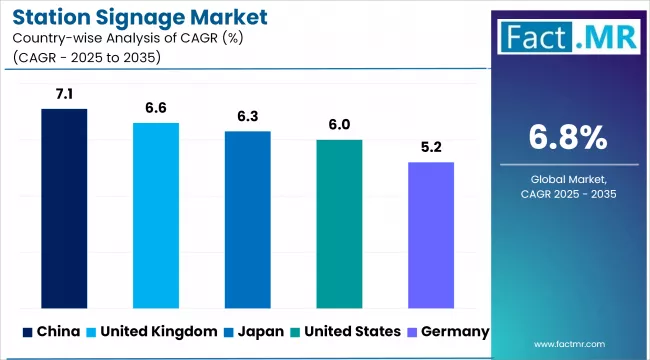
Station signage plays a vital role in guiding passengers, improving safety, and enhancing the overall travel experience across transportation networks. From railway stations and metro systems to bus terminals and airports, effective signage ensures smooth navigation and reduces confusion in high-traffic environments. As global transportation infrastructure continues to expand and modernize, the station signage market is gaining increasing importance.
Market Overview:
The station signage market is driven by the growing need for clear, informative, and visually engaging communication systems in public transportation hubs. Signage solutions include directional signs, information boards, digital displays, safety instructions, and branding elements that help passengers navigate complex transit environments efficiently.
With the rise in urbanization and increasing passenger traffic, transportation authorities are prioritizing the development of advanced signage systems that enhance accessibility and user experience. Modern station signage solutions are designed to be highly visible, easy to understand, and compliant with safety and accessibility standards. This includes the use of universal symbols, multilingual displays, and tactile features for visually impaired individuals.
Technological advancements are significantly influencing the market, with digital signage gaining prominence over traditional static displays. Digital screens enable real-time updates, dynamic content, and improved communication, making them ideal for modern transit systems. These systems can display schedules, delays, emergency alerts, and advertisements, providing both functional and commercial benefits.
Regional Insights:
North America holds a strong position in the station signage market, supported by well-developed transportation infrastructure and ongoing modernization projects. The region is focused on enhancing passenger convenience and integrating advanced technologies into transit systems.
Europe is another key market, characterized by extensive rail and metro networks and a strong emphasis on sustainability and accessibility. Governments across the region are investing in upgrading station facilities, including signage systems, to improve passenger experience and comply with regulatory standards.
Asia-Pacific is witnessing rapid growth in the station signage market due to large-scale infrastructure development and increasing urban population. Countries in this region are expanding their transportation networks and investing in smart city initiatives, creating significant demand for advanced signage solutions.
Key Trends & Developments:
One of the most notable trends in the station signage market is the shift toward digital and smart signage solutions. These systems offer greater flexibility and efficiency compared to traditional signage, allowing operators to update information instantly and adapt to changing conditions.
Another important trend is the integration of smart technologies such as Internet of Things (IoT) and artificial intelligence. These technologies enable intelligent signage systems that can analyze passenger flow, provide personalized information, and enhance overall operational efficiency.
Sustainability is also becoming a key focus, with the adoption of energy-efficient displays and eco-friendly materials. LED-based digital signage systems are widely used due to their lower energy consumption and longer lifespan.
Design innovation is playing a crucial role in the market, with an emphasis on creating visually appealing and user-friendly signage. Clear typography, high-contrast colors, and intuitive layouts are essential for ensuring effective communication in busy transit environments.
Applications & End-Use Outlook:
Station signage is widely used across various transportation sectors, including railways, metros, airports, and bus terminals. In railway and metro stations, signage systems guide passengers to platforms, exits, ticket counters, and other facilities, ensuring smooth movement within the station.
Airports rely heavily on advanced signage systems to manage large volumes of passengers and provide clear directions for check-in, security, boarding, and baggage claim areas. Effective signage is crucial for maintaining operational efficiency and enhancing passenger satisfaction.
Bus terminals also benefit from well-designed signage systems that provide route information, schedules, and directions. These systems help reduce confusion and improve the overall travel experience for passengers.
In addition to transportation hubs, station signage is increasingly being integrated into smart city projects, where it plays a role in urban navigation and information dissemination. The use of digital and interactive signage systems is enhancing connectivity and communication in urban environments.
Conclusion:
The station signage market is poised for steady growth as transportation systems continue to evolve and expand. The increasing focus on passenger convenience, safety, and accessibility is driving the adoption of advanced signage solutions across the globe.
With the integration of digital technologies and smart features, station signage is transforming from a basic communication tool into an intelligent system that enhances the overall travel experience. As infrastructure development and urbanization progress, the demand for innovative and efficient signage solutions is expected to rise, shaping the future of the station signage market.
Browse Full Report – https://www.factmr.com/report/station-signage-market