The Facade Systems Market is evolving rapidly as modern architecture increasingly prioritizes aesthetics, energy efficiency, and structural performance. Facade systems serve as the external envelope of a building, playing a crucial role in insulation, weather protection, soundproofing, and overall visual appeal. With rising urbanization, green building initiatives, and smart construction technologies, demand for advanced facade solutions continues to expand across residential, commercial, and industrial sectors.
Market Overview
Facade systems are engineered exterior cladding or curtain wall structures that protect buildings from environmental elements while enhancing architectural design. These systems can be constructed from materials such as glass, aluminum, steel, ceramics, composite panels, and natural stone. In addition to improving visual identity, modern facade systems contribute significantly to energy conservation by optimizing natural light, ventilation, and thermal insulation.
The market is witnessing innovation driven by sustainable construction practices and stringent building regulations. Developers are seeking energy-efficient solutions that align with environmental standards and green certification programs. As a result, facade systems are no longer viewed solely as architectural elements but as integral components of building performance and sustainability strategies.
Key Market Drivers
Rapid Urbanization and Infrastructure Development
Growing urban populations are driving demand for high-rise buildings, commercial complexes, and mixed-use developments. Facade systems play a vital role in enhancing the structural integrity and energy efficiency of these large-scale projects.
Focus on Energy Efficiency and Sustainability
Governments and regulatory bodies worldwide are promoting green building initiatives. Energy-efficient facades help reduce heating and cooling loads, contributing to lower carbon emissions and operational costs. Double-skin facades, ventilated facades, and insulated panels are gaining traction in response to sustainability goals.
Technological Advancements in Building Materials
Innovations in glazing technologies, lightweight composites, and high-performance coatings are reshaping the facade systems market. Advanced materials offer improved durability, corrosion resistance, and thermal performance while maintaining aesthetic appeal.
Growing Preference for Smart Buildings
Smart facade systems integrated with sensors and automated shading solutions are increasingly adopted in modern commercial structures. These systems enhance occupant comfort while optimizing energy consumption.
Product Segmentation
The facade systems market can be segmented based on product type, material, application, and end-use industry.
- By Product Type: Curtain walls, cladding systems, structural glazing, ventilated facades, and others. Curtain wall systems remain prominent in commercial high-rise construction due to their lightweight and aesthetic flexibility.
- By Material: Glass, metal, ceramic, composite panels, and natural stone. Glass facades are particularly popular for corporate buildings and urban skyscrapers, offering transparency and modern appeal.
- By Application: Exterior walls, roofs, and other structural elements.
- By End-Use Industry: Commercial buildings, residential complexes, industrial facilities, and institutional infrastructure such as hospitals and educational institutions.
Each segment reflects evolving construction trends and regional architectural preferences.
Regional Insights
North America
North America represents a significant market driven by modernization of commercial spaces and retrofitting projects aimed at improving energy efficiency. The adoption of advanced facade technologies aligns with strict environmental standards and green certification programs.
Europe
Europe is at the forefront of sustainable construction practices. Energy performance regulations and climate-conscious building designs encourage the use of insulated and ventilated facade systems. Renovation of older buildings with energy-efficient facades also contributes to steady growth.
Asia-Pacific
Asia-Pacific is emerging as a dynamic region in the facade systems market. Rapid urbanization, expanding construction activities, and increasing investments in smart cities are key growth drivers. High-rise residential and commercial developments across major metropolitan areas are boosting demand for innovative facade solutions.
Middle East & Africa and Latin America
In these regions, expanding infrastructure projects and commercial developments create new opportunities. Architectural designs emphasizing aesthetics and climate adaptability drive adoption of specialized facade systems.
Key Trends Shaping the Market
Sustainable and Green Facades
Green facades incorporating vegetation and eco-friendly materials are gaining popularity in urban environments. These systems improve air quality, enhance insulation, and contribute to biodiversity.
Integration of Digital Design Tools
Building Information Modeling (BIM) and digital simulation tools are transforming facade design and installation processes. These technologies allow architects and engineers to optimize performance before construction begins.
High-Performance Glazing Systems
Energy-efficient glazing with solar control coatings and thermal insulation properties is increasingly adopted. Such innovations improve building comfort while reducing reliance on artificial climate control systems.
Prefabrication and Modular Construction
Prefabricated facade panels reduce construction time and labor costs. Modular systems also ensure quality consistency and simplified installation processes.
Competitive Landscape
The facade systems market is competitive, with manufacturers focusing on research and development, product differentiation, and strategic partnerships. Companies are investing in sustainable materials and advanced engineering solutions to meet evolving customer expectations. Collaboration between architects, contractors, and facade specialists is essential to deliver integrated and high-performance solutions.
Market players are also expanding their global footprint through distribution networks and regional manufacturing facilities. Customization capabilities and after-sales services play a critical role in maintaining a competitive advantage.
Applications & End-Use Outlook
Facade systems are widely applied in:
- Commercial Buildings: Office towers, shopping malls, and hospitality projects prioritize visually striking and energy-efficient facades.
- Residential Developments: Modern apartment complexes increasingly incorporate insulated cladding and ventilated facades for improved living comfort.
- Industrial Facilities: Durable facade materials protect manufacturing plants from harsh environmental conditions.
- Institutional Infrastructure: Hospitals, educational institutions, and public buildings require facades that combine safety, performance, and design excellence.
As construction trends continue to evolve, facade systems will remain central to building innovation.
Future Outlook
The future of the facade systems market is closely tied to sustainability, digitalization, and smart construction practices. Increasing awareness of climate change and energy efficiency is expected to shape product development and architectural design strategies. Demand for high-performance materials and adaptive facade technologies will likely intensify as cities expand and infrastructure projects grow more complex.
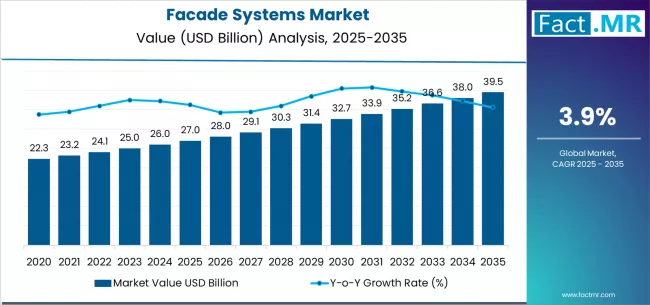
Manufacturers that prioritize innovation, environmental responsibility, and integrated design solutions are well-positioned to capitalize on emerging opportunities. With ongoing investments in infrastructure and modernization, the facade systems market is poised for sustained growth in the coming years.
Conclusion
Facade systems have evolved beyond aesthetic components to become essential elements of modern building performance. By enhancing energy efficiency, structural durability, and architectural appeal, these systems play a vital role in shaping sustainable urban landscapes. As global construction activities expand and green building initiatives strengthen, the facade systems market will continue to advance, offering innovative solutions that balance functionality, design, and environmental responsibility.
Browse Full Report – https://www.factmr.com/report/facade-systems-market