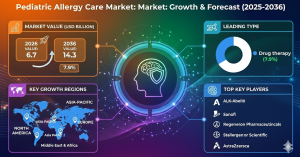
The pediatric allergy care market is gaining strong momentum as allergic conditions become increasingly common among infants, children, and adolescents. Factors such as environmental changes, dietary habits, genetic predisposition, and early-life exposure to allergens are driving the need for specialized allergy diagnosis and treatment solutions. Pediatric allergy care focuses on identifying, managing, and preventing allergic reactions while ensuring long-term safety and quality of life for young patients. As awareness among parents and healthcare providers grows, demand for effective and child-friendly allergy care solutions continues to rise.
Market Overview
Pediatric allergy care encompasses a broad range of diagnostic tools, therapeutic products, and preventive strategies designed specifically for children. These include allergy testing kits, immunotherapy treatments, antihistamines, corticosteroids, epinephrine auto-injectors, and emerging biologic therapies. Unlike adult allergy management, pediatric care emphasizes precision dosing, minimal side effects, and long-term disease management.
Healthcare providers are increasingly adopting personalized treatment approaches that consider a child’s age, immune response, and allergy severity. The integration of digital health tools, improved diagnostic accuracy, and evidence-based clinical guidelines has strengthened the overall pediatric allergy care ecosystem.
Key Growth Drivers
Several factors are contributing to the expansion of the pediatric allergy care market. Rising prevalence of food allergies, allergic rhinitis, asthma, eczema, and drug-related allergies among children is a major driver. Increased urbanization and exposure to pollutants have also heightened allergic sensitivities in younger populations.
Growing parental awareness regarding early diagnosis and timely intervention plays a crucial role in market growth. Pediatricians and allergists are emphasizing proactive allergy screening to prevent severe reactions and long-term complications. Additionally, advancements in immunotherapy and biologics are transforming pediatric allergy treatment by offering long-lasting relief rather than short-term symptom management.
Regional Insights
North America remains a prominent region in pediatric allergy care due to strong healthcare infrastructure, high awareness levels, and widespread access to specialized pediatric services. The presence of established pharmaceutical companies and ongoing research initiatives further supports market development.
Europe follows closely, supported by robust public healthcare systems and increasing focus on preventive pediatric care. Strict regulatory frameworks and standardized treatment protocols have encouraged safe and effective allergy management solutions.
The Asia-Pacific region is emerging as a key growth area, driven by rising healthcare investments, improving access to pediatric specialists, and increasing awareness of allergic conditions. Urban population growth and lifestyle changes are contributing to higher allergy incidence, creating opportunities for market expansion across developing economies.
Trends Shaping the Market
One of the most notable trends in pediatric allergy care is the shift toward precision medicine. Diagnostic advancements are enabling healthcare providers to identify specific allergens with greater accuracy, allowing for targeted treatment plans.
Another significant trend is the growing adoption of immunotherapy, including subcutaneous and sublingual approaches, which aim to modify the immune system’s response to allergens over time. These therapies are gaining acceptance due to their potential to reduce long-term dependency on medications.
Digital health integration is also shaping the market. Mobile applications and remote monitoring tools are helping parents track symptoms, medication adherence, and trigger exposure, improving overall disease management. Additionally, child-friendly drug formulations and delivery systems are being developed to enhance compliance and comfort.
Applications and End-Use Outlook
Pediatric allergy care solutions are widely used across hospitals, specialty clinics, and ambulatory care centers. Allergy testing and diagnosis form a critical part of early-stage care, enabling clinicians to design effective management strategies.
Food allergy management represents a significant application area, with increasing focus on preventive education and emergency preparedness. Respiratory allergies and skin-related allergic conditions also account for substantial demand due to their chronic nature and impact on daily life.
Schools and daycare centers are becoming indirect end-users as awareness programs and emergency response protocols for allergic reactions gain importance. Collaboration between healthcare providers, educators, and parents is strengthening the overall allergy care framework for children.
Competitive Landscape
The pediatric allergy care market is characterized by continuous innovation and strategic collaborations. Pharmaceutical and biotechnology companies are investing in research to develop safer and more effective therapies tailored for pediatric use. Diagnostic companies are focusing on non-invasive and rapid testing solutions suitable for children.
Partnerships between healthcare institutions and technology providers are further enhancing access to advanced allergy care. Educational initiatives aimed at healthcare professionals and caregivers are also playing a vital role in improving treatment outcomes.
Future Outlook
The future of the pediatric allergy care market looks promising, supported by advancements in medical research, growing emphasis on preventive care, and increasing adoption of personalized treatment approaches. As healthcare systems prioritize early intervention and long-term disease management, pediatric allergy care will remain a critical component of child healthcare.
Ongoing innovation, supportive regulatory frameworks, and rising global awareness are expected to strengthen market growth. Access to comprehensive market insights from trusted research sources such as Fact.MR can help stakeholders make informed decisions, develop effective strategies, and address the evolving needs of pediatric allergy care worldwide.
Browse Full Report – https://www.factmr.com/connectus/sample?flag=S&rep_id=13980