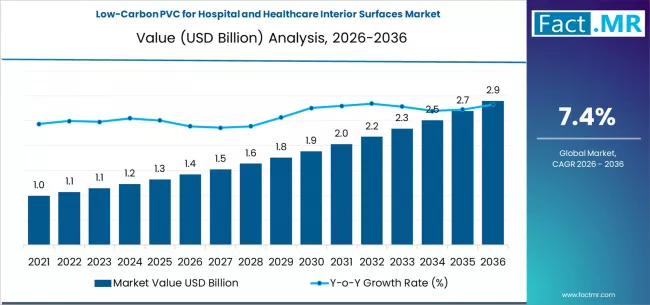
Hospitals and healthcare facilities are increasingly prioritizing sustainability and infection control in their infrastructure. Low-carbon PVC for interior surfaces offers an innovative solution that combines environmental responsibility with superior hygiene performance. These specialized PVC systems are designed to reduce carbon footprint while providing antimicrobial properties, making them ideal for hospital flooring, wall cladding, and medical equipment surfaces. As healthcare institutions seek safer, more sustainable environments, the demand for low-carbon PVC continues to grow, supporting both clinical performance and environmental goals.
Market Overview
Low-carbon PVC for hospital and healthcare interior surfaces encompasses materials engineered for reduced environmental impact and improved infection control. Antimicrobial-certified formulations form a significant portion of these materials, delivering resistance to bacteria, fungi, and other pathogens while maintaining biocompatibility. The material’s low-carbon properties align with sustainability initiatives, enabling hospitals to reduce operational emissions and contribute to global carbon reduction goals.
Manufacturers focus on creating PVC systems that are easy to install, maintain, and integrate into modern healthcare interiors. This includes products for flooring, wall panels, and surfaces of clinical equipment. By combining low-carbon manufacturing techniques with antimicrobial functionality, these materials are becoming essential in both new healthcare construction and retrofitting projects.
Regional Insights
North America and Europe are leading regions for low-carbon PVC adoption, driven by strong healthcare infrastructure, regulatory incentives, and a focus on sustainable construction. Hospitals in these regions are actively replacing conventional materials with eco-friendly alternatives that also meet strict infection control standards. Asia-Pacific is emerging as a growth market, fueled by expanding hospital networks, increasing medical investment, and growing awareness of carbon footprint reduction and hygiene standards.
Key Trends & Forecast
Several trends are shaping the low-carbon PVC market for healthcare interiors:
- Shift Toward Antimicrobial Certified Formulations: Hospitals are increasingly adopting pre-certified materials that combine antimicrobial protection with low-carbon manufacturing, ensuring both safety and compliance.
- Integration in Multifunctional Spaces: Low-carbon PVC is now used across multiple healthcare applications, including surgical suites, patient rooms, and research labs, providing versatility and performance.
- Focus on Ready-to-Use Materials: Manufacturers are developing easy-to-install, ready-to-use low-carbon PVC solutions, minimizing handling and installation complexities while maintaining environmental benefits.
- Advancements in Carbon Reduction Technology: Improvements in production processes reduce energy consumption and emissions, aligning with institutional sustainability goals.
- Emphasis on Compliance and Certification: Certified low-carbon PVC systems help hospitals meet both environmental and infection-control standards, offering credibility in increasingly regulated healthcare markets.
Applications & End-Use Outlook
The primary applications for low-carbon PVC in healthcare are hospital facilities, medical centers, surgical suites, and research facilities. Hospitals represent the largest end-use segment, reflecting their critical role in infection control and sustainable construction. PVC systems are used in flooring, wall cladding, and surfaces of equipment where hygiene and durability are essential. By implementing low-carbon PVC, hospitals enhance patient safety, reduce environmental impact, and simplify maintenance without compromising aesthetic or functional performance.
Drivers and Restraints
Key drivers include increasing awareness of infection control, environmental sustainability initiatives, and regulatory pressure to adopt low-carbon building materials. Healthcare institutions are seeking certified materials that support hygiene, patient safety, and carbon reduction simultaneously.
Challenges include higher procurement costs and technical complexity in integrating specialized low-carbon and antimicrobial polymers into existing healthcare construction. Hospitals may require specialized contractors and suppliers to ensure proper installation and performance, which can limit immediate adoption in certain regions.
Competitive Landscape
The market features leading players such as Gerflor Group, Tarkett S.A., Armstrong Flooring Inc., Forbo Group, and Polyflor Ltd. Companies are competing through innovations in low-carbon polymer technologies, antimicrobial certifications, and multi-application solutions. Strategic partnerships with hospital administrators, healthcare contractors, and distributors enhance market penetration, while R&D investments focus on reducing carbon footprint and improving material functionality.
Country-Specific Insights
In the United States, demand is driven by expanding certified healthcare polymer sectors and initiatives supporting sustainable hospital construction. Germany emphasizes certified infrastructure and environmental technology adoption. Japan prioritizes multifunctional low-carbon healthcare materials that align with stringent hygiene standards. Across these regions, increasing regulatory compliance and investment in eco-friendly healthcare materials are stimulating adoption of low-carbon PVC systems.
Conclusion
The low-carbon PVC for hospital and healthcare interior surfaces market represents a convergence of sustainability, safety, and innovation. By integrating antimicrobial and low-carbon PVC solutions, hospitals and medical facilities can achieve superior infection control, reduced carbon footprint, and compliance with evolving environmental standards. Ongoing technological advancements, certification programs, and healthcare investments are set to drive widespread adoption, establishing low-carbon PVC as a cornerstone of modern, sustainable healthcare infrastructure.
Browse Full Report – https://www.factmr.com/report/low-carbon-pvc-for-hospital-and-healthcare-interior-surfaces-market