Agriculture is at the center of global efforts to reduce environmental impact while ensuring food security for a growing population. As climate concerns reshape farming practices, decarbonization-credited crop protection programs are emerging as a transformative solution. These programs integrate effective crop protection with climate-aligned practices that support emissions reduction and sustainability goals across the agricultural value chain.
Decarbonization-credited crop protection initiatives go beyond conventional pest and disease management. They focus on minimizing the carbon footprint of crop protection activities while enabling farmers and agribusinesses to demonstrate measurable environmental responsibility. As sustainability commitments intensify, these programs are becoming an essential component of modern agricultural strategies.
Market Overview
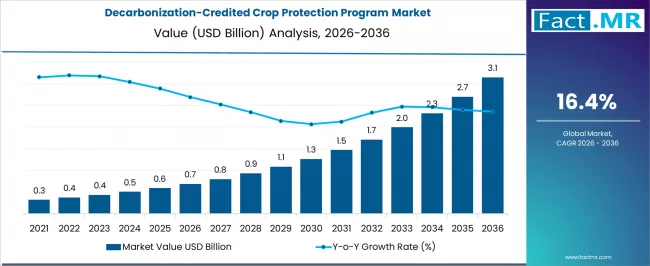
The decarbonization-credited crop protection program market encompasses a range of integrated solutions designed to reduce greenhouse gas emissions associated with crop protection while maintaining productivity and crop health. These programs typically combine optimized input use, low-impact formulations, precision application methods, and sustainability monitoring frameworks.
A key feature of these programs is their emphasis on accountability and verification. Advanced data collection, digital farm management tools, and standardized reporting mechanisms help track environmental performance and validate decarbonization outcomes. This structured approach strengthens confidence among farmers, regulators, and downstream stakeholders.
Unlike traditional crop protection models that prioritize short-term yield protection, decarbonization-credited programs adopt a long-term perspective. They aim to balance agronomic efficiency with environmental stewardship, supporting soil health, biodiversity, and ecosystem resilience while meeting regulatory and market expectations.
Regional Insights
Adoption patterns for decarbonization-credited crop protection programs vary by region, influenced by policy frameworks, sustainability awareness, and agricultural modernization. Regions with strong climate policies and sustainability initiatives are leading the integration of carbon-aligned practices into mainstream farming.
In developing agricultural regions, these programs are gaining traction as tools for improving productivity while aligning with international sustainability standards. Support from governments, research institutions, and private agribusiness players is helping accelerate adoption and build local capacity.
Export-oriented agricultural regions are also showing increased interest in decarbonization-credited crop protection. Sustainability credentials are becoming increasingly important for market access, prompting growers and agribusinesses to adopt climate-aligned programs that enhance transparency and traceability.
Key Trends & Market Outlook
One of the most prominent trends shaping the market is the growing shift toward biological and integrated crop protection solutions. These approaches reduce reliance on high-impact chemical inputs and contribute to lower emissions across the crop protection lifecycle.
Another important trend is the increasing role of precision agriculture technologies. Tools such as targeted application systems, remote monitoring, and data-driven decision-making help optimize input use, reduce waste, and support measurable decarbonization outcomes.
Collaboration across the agricultural value chain is also accelerating market development. Crop protection companies, sustainability program developers, food processors, and retailers are working together to design programs that deliver both agronomic and climate benefits. These partnerships help ensure consistency, credibility, and scalability.
Farmer engagement and education remain central to program success. Many decarbonization-credited initiatives include training, advisory services, and technical support to help farmers adopt best practices and sustain long-term participation.
Applications & End-Use Outlook
Decarbonization-credited crop protection programs are applied across a wide range of crop types, including staple crops, horticultural produce, and specialty crops. In large-scale commercial farming, these programs support operational efficiency, regulatory compliance, and sustainability reporting.
High-value crops benefit from climate-aligned protection strategies that enhance product quality and meet growing consumer demand for sustainably produced food. Plantation and perennial crop systems also leverage these programs to support long-term environmental performance and supply-chain commitments.
Beyond the farm level, agribusinesses, food manufacturers, and retailers are increasingly integrating decarbonization-credited crop protection into broader sustainability initiatives. These programs support corporate climate goals and strengthen relationships with environmentally conscious consumers and investors.
Advisory firms, agricultural cooperatives, and sustainability consultants also represent key end users, providing implementation support and performance assessment services.
Competitive Landscape and Strategic Developments
The market features a diverse mix of crop protection manufacturers, agri-technology providers, sustainability solution firms, and carbon program developers. Competitive differentiation is driven by program credibility, measurement methodologies, and the ability to deliver practical, farmer-friendly solutions.
Innovation plays a critical role, with companies investing in low-carbon formulations, digital monitoring tools, and integrated program platforms. Strategic partnerships and pilot initiatives are commonly used to validate performance and demonstrate real-world benefits.
Alignment with global sustainability frameworks and environmental standards is becoming a key strategic priority, helping market participants build trust and expand adoption across regions.
Conclusion
The decarbonization-credited crop protection program market represents a significant shift toward climate-smart agriculture. By embedding emissions reduction into crop protection strategies, these programs enable farmers and agribusinesses to balance productivity with environmental responsibility.
As sustainability expectations continue to shape agricultural decision-making, demand for decarbonization-aligned crop protection solutions is expected to strengthen. Comprehensive market insights, such as those provided by Fact.MR, can help stakeholders understand emerging trends, regional dynamics, and strategic opportunities within this evolving and impactful market.
Browse Full Report – https://www.factmr.com/report/decarbonization-credited-crop-protection-program-market