The U.S. air cargo and freight logistics market is entering a period of sustained expansion, driven by e-commerce growth, pharmaceutical and high-value cargo shipments, global supply-chain restructuring, and rising demand for faster, time-critical deliveries. As industries prioritize efficiency, safety, and real-time movement of goods, air cargo is becoming an essential component of U.S. domestic and international logistics networks. Technological advancements, fleet modernization, and the integration of digital logistics platforms are further accelerating the sector’s transformation.
Market Overview
The air cargo market in the United States is influenced by global trade flows, domestic manufacturing activity, e-commerce penetration, and increasing reliance on express logistics. While air freight represents a smaller volume compared to road and maritime freight, its share of high-value, sensitive, and time-critical shipments is rapidly expanding.
Quick Stats (2025–2035)
-
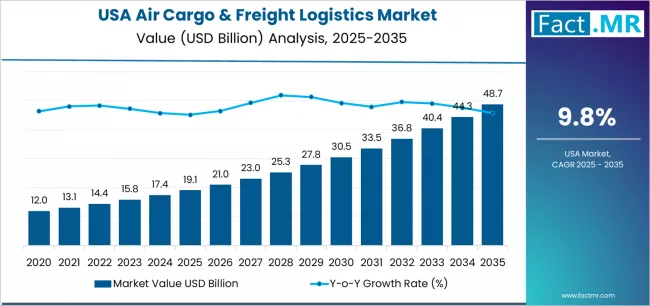
2025 Market Value: Steadily expanding due to e-commerce and high-value cargo
-
2035 Forecast Value: Strong growth across express and international shipments
-
Forecast CAGR: Approximately 5% to 6%
-
Dominant Cargo Type: High-value, time-sensitive freight (electronics, pharma, perishables)
-
Top End Users: Retail/e-commerce, pharmaceuticals, manufacturing, aerospace, and perishables
-
Key Logistics Model: Express cargo and integrated air-freight networks
To access the complete data tables and in-depth insights, request a Discount On The Report here: https://www.factmr.com/connectus/sample?flag=S&rep_id=12420
Key Market Drivers
1. E-Commerce Boom & Same-Day/Next-Day Delivery Expansion
The rapid rise of e-commerce is the single largest driver of air cargo demand in the United States. With consumers expecting faster delivery options, retailers and logistics companies are increasingly relying on air freight.
Contributing Factors:
-
Surge in online shopping volume
-
Growth of same-day and next-day shipping services
-
Increased use of air cargo hubs by major e-commerce companies
-
Expansion of dedicated air cargo fleets
This trend will continue to reshape the domestic air logistics landscape through 2035.
2. Rising Need for Transporting High-Value & Temperature-Sensitive Cargo
Industries that depend on precision logistics — such as pharmaceuticals, biomedical products, semiconductors, and high-value electronics — are increasingly adopting air freight services.
Key Segments:
-
Temperature-controlled pharmaceuticals
-
Vaccines and biologics
-
Perishables (seafood, meat, specialty food)
-
Aerospace components
-
High-end electronics
The growth of the healthcare and biotech industries further increases reliance on air cargo.
3. Global Supply Chain Restructuring
Manufacturers are shifting toward more flexible, resilient supply chains. As companies diversify sourcing and restructuring routes, air cargo plays a vital role in maintaining inventory continuity.
Primary Drivers:
-
Need for faster replenishment
-
Shifts in global trade flows
-
Nearshoring and reshoring activities
-
Increased imports of high-value goods
The U.S. is emerging as a central logistics hub due to its strong airport connectivity and global trade presence.
4. Technology Adoption & Digital Logistics Platforms
Digitization is modernizing the American air freight ecosystem, creating significant operational advantages.
Major trends include:
-
AI-based route optimization
-
Real-time shipment tracking
-
Use of IoT sensors for temperature and condition monitoring
-
Digital freight marketplaces
-
Automated warehousing and cargo handling
These technologies enhance transparency, reduce delays, and improve cost-efficiency.
5. Expansion of Dedicated Cargo Fleets & Airport Infrastructure
Airlines and logistics companies are investing heavily in freighter fleets and modernization of cargo terminals.
Key Developments:
-
Conversion of passenger aircraft into freighters
-
Establishment of express cargo terminals
-
Expansion of regional air hubs
-
Growth of last-mile air-cargo networks
Infrastructure enhancement directly supports market growth, especially for express services.
Market Structure & Segment Insights
By Cargo Type
-
General Cargo: Clothing, machinery, electronics
-
Specialty Cargo: Pharma, perishables, chemicals, aerospace parts
-
Express Freight: Fastest-growing category due to e-commerce
-
Temperature-Controlled Cargo: Critical for pharmaceuticals and food
By End Use
-
E-Commerce & Retail – Dominant segment
-
Pharmaceuticals & Biotech – High-value, temperature-sensitive shipments
-
Manufacturing & Industrial Goods – Machinery, automotive, aerospace parts
-
Food & Perishables – Require strict cold-chain logistics
-
Defense & Aerospace – Components, precision logistics
By Geography
Demand is strong across all U.S. regions, but the largest hubs include:
-
West Coast (Los Angeles, San Francisco, Seattle)
-
Midwest (Chicago, Cincinnati, Louisville)
-
South (Dallas–Fort Worth, Atlanta, Miami)
-
Northeast (New York/New Jersey, Philadelphia)
These hubs serve both domestic routes and international gateways.
Challenges & Risks
1. High Operational Costs
Fuel prices, labor shortages, and aircraft maintenance increase operational expenses.
2. Airport Congestion & Capacity Limitations
Limited slot availability and congested terminals can lead to delays.
3. Environmental Regulations
Air cargo operators face stricter emissions and sustainability requirements.
4. Economic Fluctuations
A downturn in manufacturing, consumer spending, or international trade affects cargo volumes.
Opportunities Ahead
1. Sustainable Aviation Fuels (SAF)
Wider adoption will help reduce carbon emissions and support green logistics.
2. Autonomous Cargo Drones
Future long-range drones may enhance last-mile and regional freight networks.
3. Cold-Chain Logistics Expansion
Growing biotech and pharmaceutical markets demand advanced temperature-controlled solutions.
4. Strengthening Domestic Supply Chains
Reshoring and supply resilience initiatives open new opportunities for air freight operators.
Outlook (2025–2035)
The U.S. air cargo and freight logistics market is positioned for robust growth, supported by e-commerce expansion, high-value cargo shipments, modernized airport infrastructure, and continued technological upgrades. While cost pressures and regulatory requirements pose challenges, the long-term demand outlook remains strong. By 2035, air cargo will play an even greater role in ensuring fast, reliable, and efficient movement of goods within and beyond the United States.
Browse Full Report: https://www.factmr.com/report/united-states-air-cargo-freight-logistics-market