The global transition toward renewable energy and cross-border electricity trade is significantly boosting demand in the Submarine Power Cable Market. As countries expand offshore wind farms, interconnect national grids, and improve island electrification, submarine power cables have become a critical infrastructure component. These specialized cables transmit electricity beneath seas, oceans, and large water bodies, ensuring reliable power connectivity between offshore generation sites and onshore grids.
With growing investments in renewable energy, grid modernization, and international power exchange projects, submarine power cables are playing a transformative role in shaping the future of global energy networks.
Market Overview
Submarine power cables are insulated transmission cables laid on the seabed to carry high-voltage electricity over long distances. They are engineered to withstand harsh marine conditions, including pressure, corrosion, and mechanical stress. These cables are typically used for offshore wind farms, oil and gas platforms, island electrification, and cross-border interconnection projects.
The market is segmented based on voltage type, conductor material, application, and end-use industry. High-voltage alternating current (HVAC) and high-voltage direct current (HVDC) cables are widely used depending on transmission distance and efficiency requirements. HVDC cables are particularly preferred for long-distance transmission due to lower energy losses.
Key applications include:
- Offshore wind power transmission
- Inter-country and inter-island grid connections
- Offshore oil and gas operations
- Tidal and wave energy projects
As renewable energy deployment accelerates, submarine power cables are increasingly integrated into large-scale offshore power infrastructure.
Key Market Drivers
- Expansion of Offshore Wind Energy
One of the primary drivers of the submarine power cable market is the rapid expansion of offshore wind farms. Offshore wind installations require robust cable systems to transmit generated electricity to mainland grids. As governments invest heavily in offshore renewable projects, demand for high-capacity submarine cables continues to rise.
- Growth in Cross-Border Power Interconnections
Countries are strengthening energy security and grid stability through international interconnection projects. Submarine power cables enable electricity exchange between nations, balancing supply and demand while supporting renewable energy integration across regions.
- Rising Demand for Clean Energy Integration
Global commitments to reduce carbon emissions are pushing utilities to integrate renewable energy sources into existing grids. Submarine cables play a vital role in connecting offshore renewable generation facilities to urban centers, facilitating cleaner power distribution.
- Island Electrification and Remote Connectivity
Remote islands and coastal regions often face energy supply challenges. Submarine power cables provide reliable connections to mainland power grids, improving electricity access and supporting economic development.
Regional Insights
Europe
Europe leads the submarine power cable market, driven by extensive offshore wind projects and cross-border interconnection initiatives. The region’s focus on renewable energy expansion and grid modernization has resulted in significant investments in subsea transmission infrastructure.
Asia-Pacific
Asia-Pacific is witnessing strong growth due to increasing offshore wind developments and rising electricity demand. Coastal nations are prioritizing marine energy projects and strengthening regional power connectivity, boosting submarine cable installations.
North America
North America is gradually expanding its offshore wind capacity and grid interconnections. Infrastructure modernization efforts and renewable energy policies are supporting the adoption of submarine power cable systems.
Middle East & Rest of the World
In the Middle East and other emerging regions, growing investments in renewable energy diversification and offshore resource development are contributing to steady market expansion.
Key Trends & Forecast
Adoption of High-Voltage Direct Current (HVDC) Technology
HVDC submarine cables are gaining prominence due to their efficiency in long-distance power transmission. These systems minimize energy losses and provide stable connections between offshore generation sites and urban power grids.
Increasing Project Scale and Capacity
Modern offshore wind farms are expanding in size and capacity, requiring advanced cable systems capable of handling higher voltage levels. Manufacturers are focusing on developing durable, high-capacity cables to meet evolving project demands.
Technological Advancements in Cable Materials
Innovations in insulation materials and conductor technologies are improving cable durability and performance. Enhanced corrosion resistance and improved thermal management are extending cable lifespan in harsh marine environments.
Integration with Smart Grid Infrastructure
Submarine power cables are increasingly integrated into smart grid systems that enable real-time monitoring and efficient power management. This integration supports grid stability and enhances operational reliability.
Applications & End-Use Outlook
Submarine power cables are used across multiple sectors:
- Renewable Energy Sector: Connecting offshore wind and marine energy projects to onshore grids.
- Utilities and Grid Operators: Facilitating cross-border electricity trade and strengthening national grid networks.
- Oil & Gas Industry: Supplying power to offshore platforms and drilling operations.
- Government and Infrastructure Authorities: Supporting island electrification and strategic power interconnection projects.
Utility companies and renewable energy developers are among the primary end users. As countries continue to transition toward sustainable energy systems, the demand for advanced submarine cable infrastructure is expected to grow steadily.
Challenges in the Market
Despite strong growth prospects, the submarine power cable market faces certain challenges:
- High installation and maintenance costs
- Complex marine installation procedures
- Environmental and regulatory approvals
- Risks associated with seabed conditions and marine activities
However, improved installation techniques and technological advancements are helping mitigate these challenges and enhance project feasibility.
Competitive Landscape
The market is characterized by the presence of established cable manufacturers and engineering firms specializing in subsea transmission systems. Companies are investing in research and development to improve cable performance, expand production capacity, and support large-scale offshore projects.
Strategic partnerships between cable manufacturers, energy developers, and government agencies are becoming increasingly common. These collaborations aim to accelerate project execution and strengthen supply chain efficiency.
Future Outlook
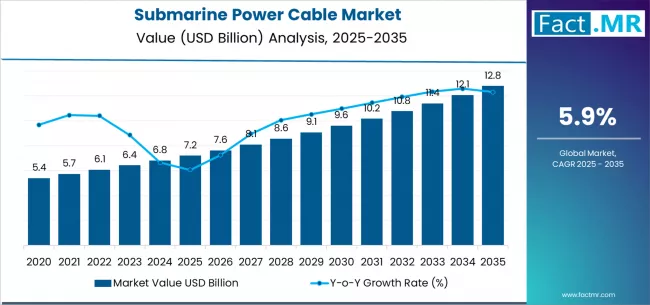
The submarine power cable market is poised for sustained expansion as renewable energy projects multiply and international grid interconnections become more prominent. Offshore wind power, in particular, is expected to remain a key growth driver, supported by favorable policy frameworks and climate commitments.
Technological innovation, improved installation methods, and smart grid integration will further enhance the efficiency and reliability of submarine cable systems. As global energy networks become more interconnected, submarine power cables will continue to serve as vital links in the transition toward cleaner and more resilient energy infrastructure.
Conclusion
The submarine power cable market represents a foundational element of modern energy infrastructure. By enabling offshore renewable integration, cross-border electricity trade, and remote electrification, these cables support the global shift toward sustainable power systems.
As energy demand rises and decarbonization efforts intensify, investment in advanced submarine transmission solutions will remain critical. Access to comprehensive market insights can help stakeholders navigate evolving trends, identify growth opportunities, and make informed strategic decisions in this dynamic industry landscape.
Browse Full Report – https://www.factmr.com/report/submarine-power-cable-market