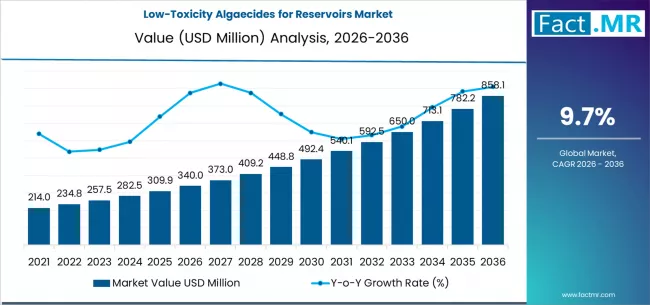
The growing emphasis on environmental protection and safe water management has brought low-toxicity algaecides for reservoirs into sharp focus. As reservoirs continue to serve as critical sources of drinking water, irrigation, industrial use, and hydropower generation, controlling algal growth without harming ecosystems has become a top priority. Traditional chemical treatments, while effective, often raise concerns regarding toxicity, long-term ecological impact, and water safety.
Low-toxicity algaecides are emerging as a responsible alternative, offering effective algae control while minimizing risks to aquatic life, human health, and surrounding environments. This market is gaining momentum as governments, water utilities, and environmental agencies increasingly prioritize sustainable reservoir management practices.
Market Overview
Low-toxicity algaecides are formulated to suppress or eliminate harmful algae blooms while maintaining ecological balance. These solutions are designed to target nuisance algae without disrupting beneficial microorganisms or contaminating water supplies. Their application spans drinking water reservoirs, irrigation systems, recreational water bodies, and industrial storage facilities.
The market is shaped by rising concerns over water pollution, eutrophication, and harmful algal blooms that compromise water quality. Increasing awareness of environmental stewardship has accelerated the shift from conventional high-toxicity chemicals toward safer, biodegradable, and eco-friendly algaecide formulations.
Manufacturers are focusing on product innovation, developing solutions that are effective at low concentrations, easy to apply, and compliant with environmental regulations. As a result, low-toxicity algaecides are becoming a preferred choice for long-term reservoir maintenance strategies.
Environmental and Regulatory Drivers
Environmental sustainability plays a central role in shaping the low-toxicity algaecides market. Excessive algal growth can deplete oxygen levels, release toxins, and disrupt aquatic ecosystems, making effective control essential. However, regulatory bodies increasingly restrict the use of harsh chemical treatments due to their adverse environmental effects.
Stricter water quality standards and environmental protection laws are encouraging the adoption of safer algaecide alternatives. Regulatory agencies emphasize solutions that preserve biodiversity, protect drinking water sources, and reduce chemical residue in water bodies. These policies have significantly boosted demand for low-toxicity formulations that align with modern environmental compliance requirements.
Additionally, public scrutiny and community awareness around water safety have prompted reservoir operators to adopt transparent and responsible water treatment practices, further supporting market growth.
Product Types and Formulation Trends
Low-toxicity algaecides are available in various formulations, each designed to address specific algae challenges. These include liquid solutions, granular products, and slow-release formulations that provide sustained algae control. Copper-based alternatives with reduced toxicity, peroxide-based treatments, and biological algaecides are among the commonly adopted options.
A major trend in product development is the use of naturally derived or biodegradable ingredients. Biological and enzymatic algaecides, which work by disrupting algae growth cycles rather than killing aquatic organisms, are gaining traction. These products are particularly attractive for drinking water reservoirs where safety standards are stringent.
Manufacturers are also investing in formulations that minimize dosage frequency and reduce operational costs, making low-toxicity algaecides both environmentally and economically viable.
Applications in Reservoir Management
Reservoirs are highly susceptible to algae growth due to nutrient runoff, stagnant water conditions, and seasonal temperature changes. Low-toxicity algaecides play a vital role in maintaining water clarity, preventing odor issues, and safeguarding aquatic ecosystems.
In drinking water reservoirs, these algaecides help prevent taste and odor problems while ensuring compliance with water quality regulations. For irrigation reservoirs, they protect infrastructure from clogging and ensure consistent water flow for agricultural activities. Recreational reservoirs benefit from improved aesthetics and reduced health risks associated with harmful algae blooms.
Industrial reservoirs and cooling ponds also rely on low-toxicity algaecides to prevent biofouling and maintain operational efficiency without introducing hazardous chemicals into the environment.
End-User Adoption Trends
Water utilities represent a key end-user segment, as they are responsible for maintaining safe and reliable water supplies. These organizations increasingly favor low-toxicity solutions that reduce treatment risks and improve public trust.
Municipal authorities and environmental agencies are also adopting these algaecides as part of broader water conservation and ecosystem protection initiatives. Their use aligns with long-term sustainability goals and helps mitigate the impact of climate-driven changes in water quality.
Private reservoir owners, agricultural cooperatives, and industrial operators are contributing to market expansion by prioritizing cost-effective and environmentally responsible algae control solutions.
Regional Market Insights
Developed regions with advanced water management infrastructure are leading the adoption of low-toxicity algaecides. Strong regulatory frameworks and high environmental awareness support the widespread use of sustainable treatment options.
Emerging economies are gradually increasing adoption as water scarcity and pollution challenges intensify. Government-led initiatives aimed at improving water quality and reservoir management are creating new opportunities for market participants.
Regions experiencing rapid urbanization and agricultural expansion are particularly focused on protecting freshwater resources, making low-toxicity algaecides a strategic solution for balancing development and environmental preservation.
Competitive Landscape and Innovation
The competitive landscape of the low-toxicity algaecides market is shaped by innovation, regulatory compliance, and strategic partnerships. Leading players focus on research and development to create advanced formulations that offer high efficacy with minimal environmental impact.
Collaboration with water authorities, research institutions, and environmental organizations helps companies refine product performance and expand their market presence. Customization of solutions based on reservoir size, algae type, and local environmental conditions is becoming a key differentiator.
Marketing strategies increasingly highlight eco-friendly credentials, safety certifications, and long-term cost benefits, reflecting the evolving priorities of end users.
Challenges and Limitations
Despite strong growth potential, the market faces certain challenges. Limited awareness in some regions regarding the benefits of low-toxicity algaecides can slow adoption. Additionally, higher upfront costs compared to conventional treatments may deter budget-conscious operators.
Effectiveness can also vary depending on algae species, water conditions, and application methods, requiring careful planning and expertise. Addressing these challenges through education, training, and technological advancements will be critical for sustained market expansion.
Future Outlook
The future of the low-toxicity algaecides for reservoirs market is closely tied to global sustainability efforts and water resource protection initiatives. As climate change increases the frequency of algae blooms, demand for safe and reliable control solutions is expected to rise.
Technological advancements will continue to improve formulation efficiency, reduce environmental footprints, and enhance ease of application. Digital monitoring tools and data-driven reservoir management practices may further optimize algaecide usage and effectiveness.
With increasing collaboration between public and private stakeholders, the market is well-positioned to support long-term water security and ecological resilience.
Conclusion
Low-toxicity algaecides for reservoirs represent a vital component of modern water management strategies. By offering effective algae control while preserving environmental integrity, these solutions address both operational and sustainability challenges faced by reservoir operators.
As awareness grows and regulatory frameworks evolve, the adoption of low-toxicity algaecides is expected to accelerate across regions and applications. Organizations seeking to protect water quality, comply with environmental standards, and promote sustainable practices will find these solutions indispensable in the years ahead.
For stakeholders looking to understand market dynamics, emerging trends, and strategic opportunities, comprehensive industry research provides valuable insights into this evolving and environmentally significant market.
Browse Full Report – https://www.factmr.com/report/low-toxicity-algaecides-for-reservoirs-market