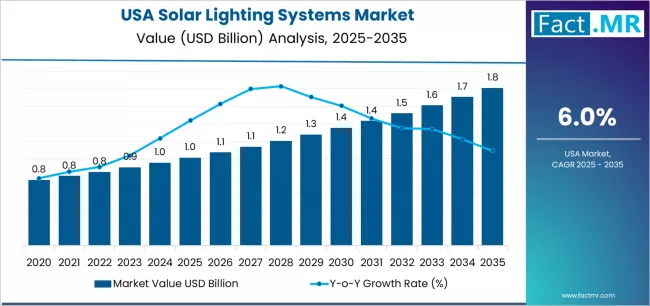
The demand for solar lighting systems in the United States has been steadily increasing, driven by rising adoption of renewable energy solutions, growing environmental awareness, and investments in sustainable infrastructure. Solar lighting systems offer energy efficiency, cost savings, and reduced carbon emissions, making them an attractive choice for both residential and municipal applications. As urbanization and smart city initiatives accelerate, solar lighting is increasingly integrated into streets, gardens, residential properties, and commercial spaces.
Market Overview
Solar lighting systems encompass a range of products powered by solar panels, batteries, and LED fixtures. These systems provide reliable illumination while leveraging renewable energy, reducing dependence on conventional electricity grids. The market includes street lighting, garden lighting, flood and industrial lighting, with street lighting holding the largest share due to its critical role in municipal operations. Residential solar lighting has also gained significant traction, supported by increasing property development and growing consumer awareness of energy-efficient solutions.
Regional Insights
The demand for solar lighting systems is distributed across major regions in the USA, including the West, Northeast, South, and Midwest. The Western region leads in adoption, supported by advanced urban infrastructure, high investments in renewable energy, and favorable climate conditions for solar applications. The Northeast and Southern regions are following closely, driven by municipal modernization projects and residential property development. Regional variations reflect the level of urbanization, infrastructure planning, and public policies promoting clean energy solutions.
Key Trends Driving Market Growth
- Smart City and Municipal Initiatives: Cities are increasingly integrating solar lighting into urban infrastructure, promoting energy-efficient public spaces while reducing operational costs.
- Residential Adoption: Homeowners are opting for solar lighting to enhance outdoor spaces, gardens, and pathways, combining aesthetic appeal with energy savings.
- Technological Innovation: Improvements in LED efficiency, battery life, and solar panel performance have made solar lighting systems more reliable, versatile, and cost-effective.
- Sustainability Focus: Increasing environmental consciousness encourages the adoption of renewable energy solutions, including solar lighting, to reduce carbon footprints.
- Premiumization and Advanced Systems: Sophisticated lighting solutions with automated controls, sensor-based operation, and smart integration are driving demand for advanced solar systems across municipal and residential sectors.
Applications and End-Use Outlook
Solar lighting systems are utilized in diverse applications. Street lighting dominates due to the need for reliable, energy-efficient illumination in urban areas, municipal roads, and public spaces. Garden lighting and outdoor residential solutions are also gaining popularity, as homeowners seek sustainable ways to enhance outdoor living spaces. Industrial and commercial sectors are gradually adopting solar floodlights and specialized lighting systems to reduce operational costs and achieve environmental compliance. The versatility and ease of installation of solar lighting systems make them suitable for retrofitting existing infrastructure or incorporating into new developments.
Market Dynamics and Drivers
The growth of the solar lighting systems market in the USA is supported by several factors. Increasing investments in smart city infrastructure and renewable energy projects are driving demand from municipal authorities and property developers. The integration of advanced solar technologies, such as high-efficiency panels and long-lasting batteries, enhances the operational reliability of lighting systems. Rising electricity costs and government incentives for renewable energy adoption encourage both residential and commercial consumers to switch to solar solutions. Furthermore, the focus on sustainability and energy optimization is fueling replacement and upgrade cycles for conventional lighting systems.
Challenges and Opportunities
Despite strong growth prospects, the market faces challenges such as high initial installation costs and variability in solar energy availability due to weather conditions. Supply chain constraints for solar components and fluctuations in raw material costs can also impact market expansion. However, these challenges present opportunities for manufacturers to innovate through cost-effective solutions, energy storage enhancements, and premium product offerings. Expanding awareness about the benefits of solar lighting and increased availability of smart, integrated solutions are expected to drive adoption across residential, commercial, and municipal sectors.
Conclusion
The demand for solar lighting systems in the USA is projected to grow steadily, driven by technological advancements, environmental awareness, and urban development initiatives. Street lighting remains the dominant segment, while residential applications continue to expand due to convenience and energy-saving benefits. Manufacturers focusing on innovation, sustainability, and advanced system integration are likely to capitalize on this growing market. As smart city initiatives, renewable energy adoption, and infrastructure modernization accelerate, solar lighting systems will play a critical role in shaping energy-efficient and environmentally responsible lighting solutions across the country.
Browse Full Report – https://www.factmr.com/report/united-states-solar-lighting-systems-market