The automotive brake components market is witnessing dynamic growth as vehicle safety, performance, and regulatory compliance remain top priorities for automakers and consumers alike. Brake components—including discs, drums, calipers, pads, shoes, and master cylinders—play a critical role in ensuring vehicle stability and occupant safety. With the growing adoption of advanced driver-assistance systems (ADAS), electric vehicles (EVs), and autonomous driving technologies, the demand for innovative and high-performance brake solutions is intensifying. This article explores market trends, key growth drivers, regional dynamics, technological advancements, and strategic insights for stakeholders in the automotive brake components market.
Market Overview:
Brake components are essential for vehicle control, stopping efficiency, and overall safety. The market has expanded as manufacturers increasingly integrate advanced braking systems such as anti-lock braking systems (ABS), electronic braking systems (EBS), regenerative braking for EVs, and disc brake assemblies for improved performance. High-quality materials and precision engineering in brake components contribute to vehicle reliability, reduce maintenance requirements, and enhance safety standards. Rising consumer awareness regarding road safety and government-imposed regulations for vehicle braking performance are pivotal in driving market growth globally.
Key Growth Drivers:
One of the primary drivers of the automotive brake components market is the rising demand for enhanced vehicle safety. Regulatory agencies worldwide have mandated stricter braking standards and safety features, including ABS, electronic stability control (ESC), and brake assist systems. Automakers are investing heavily in advanced braking technologies to meet these regulatory requirements while also appealing to safety-conscious consumers.
Technological innovation is another critical factor propelling market expansion. High-performance brake materials, such as ceramic composites and carbon-fiber reinforced components, offer superior heat resistance, reduced weight, and improved durability. These materials are particularly essential for high-end vehicles, commercial trucks, and electric vehicles, where performance efficiency and energy recovery are key considerations.
The rise of electric and hybrid vehicles has introduced new braking requirements, including regenerative braking systems. These systems convert kinetic energy into electrical energy, enhancing energy efficiency and reducing wear on traditional brake components. As EV adoption accelerates globally, the integration of advanced braking components tailored to electric powertrains will become increasingly important.
Regional Insights:
North America remains a key market for automotive brake components due to its mature automotive industry, stringent safety regulations, and high consumer awareness. The United States, in particular, has implemented safety standards that encourage the adoption of advanced braking systems in both passenger and commercial vehicles.
Europe is another prominent region, driven by strong automotive manufacturing, regulatory compliance mandates, and the adoption of advanced technologies in premium vehicles. Countries such as Germany, France, and Italy are investing in research and development to enhance braking performance and vehicle safety, which contributes to the demand for high-quality brake components.
In the Asia-Pacific region, rapid vehicle production, urbanization, and growing disposable income are fueling market expansion. China, Japan, and India are witnessing significant growth in brake component adoption, as both domestic and international automakers increasingly prioritize safety and performance features. Emerging markets in Southeast Asia are also expected to show steady growth as vehicle sales rise and regulatory frameworks evolve.
Technological Trends:
The automotive brake components market is evolving with several technological advancements. Advanced braking solutions, including disc brakes with ventilated designs, electronically controlled braking systems, and smart braking sensors, are improving vehicle handling and safety. Integration with ADAS allows features such as automated emergency braking, collision mitigation, and adaptive cruise control, further enhancing driver assistance and vehicle performance.
Lightweight brake materials are gaining traction, particularly for electric and hybrid vehicles, to improve energy efficiency and extend driving range. Additionally, regenerative braking systems are being optimized for better energy recovery and reduced wear, contributing to lower maintenance costs and increased component longevity.
Challenges:
Despite promising growth, the automotive brake components market faces several challenges. The high cost of advanced brake technologies and premium materials can be a barrier to adoption, particularly in price-sensitive segments. Complex integration with electronic and autonomous vehicle systems requires significant investment in engineering and testing. Furthermore, environmental regulations are driving the shift toward low-emission and recyclable materials, necessitating innovation in manufacturing processes.
Conclusion:
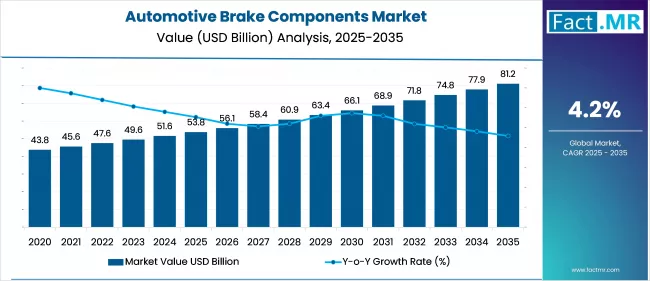
The automotive brake components market is poised for significant growth as safety, performance, and technological advancements remain central to the automotive industry. The integration of advanced braking systems, lightweight materials, and regenerative solutions is transforming vehicle safety and efficiency, particularly in the era of electric and autonomous vehicles. While challenges such as high costs and integration complexities persist, continued innovation, regulatory support, and consumer demand for safer vehicles present ample opportunities for manufacturers, suppliers, and stakeholders. As the automotive industry evolves, brake components will remain a critical pillar for ensuring safe, reliable, and high-performing vehicles.
This comprehensive outlook highlights how the automotive brake components market is set to remain a vital sector in the broader automotive landscape, offering opportunities for innovation, investment, and enhanced road safety worldwide.
Browse Full Report – https://www.factmr.com/report/24/automotive-brake-component-market