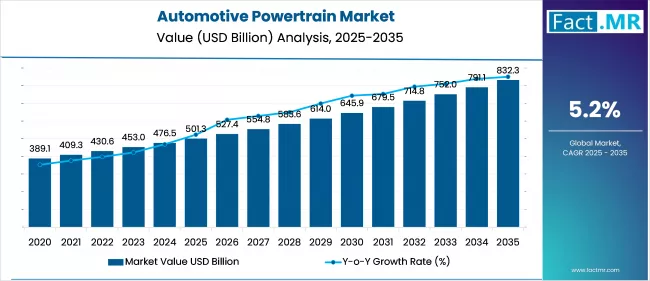
The automotive powertrain plays a central role in determining vehicle performance, efficiency, and driving dynamics. As the global automotive industry undergoes a profound transformation driven by electrification, emission regulations, and changing consumer expectations, the automotive powertrain market is evolving rapidly. Powertrain systems, which include engines, transmissions, drivetrains, and electric propulsion components, are being re-engineered to support cleaner, more efficient, and smarter mobility solutions.
Increasing demand for fuel-efficient vehicles, growing adoption of electric and hybrid technologies, and continuous innovation in automotive engineering are reshaping the powertrain landscape. Manufacturers are focusing on developing advanced powertrain architectures that balance performance with sustainability while meeting diverse regional regulatory requirements.
Market Overview
The automotive powertrain market encompasses a wide range of technologies designed to generate and transmit power to a vehicle’s wheels. Traditional internal combustion engine powertrains continue to coexist with hybrid, plug-in hybrid, and fully electric systems, creating a diverse and dynamic market environment.
Automakers and suppliers are investing heavily in modular and scalable powertrain platforms that can support multiple vehicle types and propulsion technologies. Improvements in transmission systems, lightweight materials, and power electronics are enhancing efficiency and reducing mechanical losses. The integration of software-driven control systems is further optimizing power delivery and enabling smoother, more responsive driving experiences.
Key Market Drivers
One of the primary drivers of the automotive powertrain market is the global push toward lower vehicle emissions and improved fuel economy. Stringent environmental regulations are encouraging manufacturers to adopt cleaner powertrain technologies and phase out less efficient systems.
Consumer demand for enhanced performance, comfort, and reliability is also influencing powertrain development. Buyers increasingly expect vehicles that offer smooth acceleration, reduced noise and vibration, and improved energy efficiency. Advances in engine downsizing, turbocharging, and electrification are helping manufacturers meet these expectations.
Additionally, rapid growth in electric vehicle adoption is significantly impacting the powertrain market. The shift from mechanical to electrically driven systems is creating new opportunities for innovation while transforming traditional supply chains and manufacturing processes.
Regional Insights
Established automotive markets continue to lead powertrain innovation, supported by strong research and development capabilities and mature automotive ecosystems. These regions are early adopters of advanced hybrid and electric powertrain technologies and benefit from well-developed regulatory frameworks that promote sustainable mobility.
Emerging automotive markets are experiencing steady growth in powertrain demand due to rising vehicle production, increasing urbanization, and expanding middle-class populations. Governments in these regions are investing in infrastructure development and encouraging local manufacturing, which is driving adoption of modern powertrain technologies. As electrification initiatives expand globally, regional differences in powertrain preferences are becoming more pronounced.
Key Trends and Forecast
A major trend shaping the automotive powertrain market is the transition toward electrified propulsion systems. Hybrid and electric powertrains are gaining traction as manufacturers seek to reduce emissions and improve overall vehicle efficiency. Continuous advancements in battery technology, electric motors, and power electronics are accelerating this transition.
Another significant trend is the increasing use of lightweight materials and compact designs to improve powertrain efficiency. Reducing component weight directly contributes to better fuel economy and extended driving range, particularly in electric vehicles.
Digitalization is also playing a growing role in powertrain development. Advanced software, artificial intelligence, and data analytics are being used to optimize powertrain performance, enable predictive maintenance, and support over-the-air updates. These innovations are enhancing vehicle reliability and lifecycle management.
Applications and End-Use Outlook
Automotive powertrains are used across a wide range of vehicle segments, including passenger cars, light commercial vehicles, and heavy-duty vehicles. Passenger vehicles remain the dominant application area, driven by high production volumes and increasing demand for technologically advanced models.
Commercial vehicles are also undergoing significant powertrain transformation as fleet operators seek to reduce operating costs and environmental impact. Electrified and hybrid powertrains are gaining attention in logistics, public transportation, and last-mile delivery applications. Beyond road vehicles, automotive powertrain technologies are influencing adjacent sectors such as off-highway and specialty vehicles.
Competitive Landscape
The automotive powertrain market is highly competitive, with participation from global automakers, tier-one suppliers, and emerging technology companies. Industry players are focusing on strategic partnerships, joint ventures, and technology collaborations to strengthen their market position.
Investment in research and development remains a key competitive strategy, enabling companies to introduce next-generation powertrain solutions that meet evolving regulatory and consumer requirements. As the industry shifts toward electrification, competition is intensifying around innovation, cost efficiency, and scalability.
Conclusion
The automotive powertrain market is at the heart of the automotive industry’s transformation toward sustainable and intelligent mobility. Ongoing advancements in electrification, materials, and digital technologies are redefining how vehicles generate and deliver power. As regulatory pressures and consumer expectations continue to evolve, the market will remain dynamic and innovation-driven. Access to comprehensive market insights and strategic analysis is essential for stakeholders seeking to navigate this complex and rapidly changing landscape.
Browse Full Report – https://www.factmr.com/report/346/automotive-powertrain-market