Epistaxis, commonly referred to as nosebleeds, is one of the most frequently encountered conditions in otolaryngology and emergency care settings. While often benign and self-limiting, epistaxis can sometimes indicate underlying systemic disorders or lead to serious complications if left untreated. The growing focus on effective diagnosis, prompt intervention, and improved patient outcomes is driving steady development within the epistaxis market.
Rising awareness about nasal health, increasing prevalence of conditions associated with epistaxis, and greater accessibility to medical care are contributing to heightened demand for advanced treatment solutions. As healthcare systems place greater emphasis on outpatient management and minimally invasive procedures, the epistaxis market is evolving to support safer, faster, and more effective clinical interventions.
Market Overview
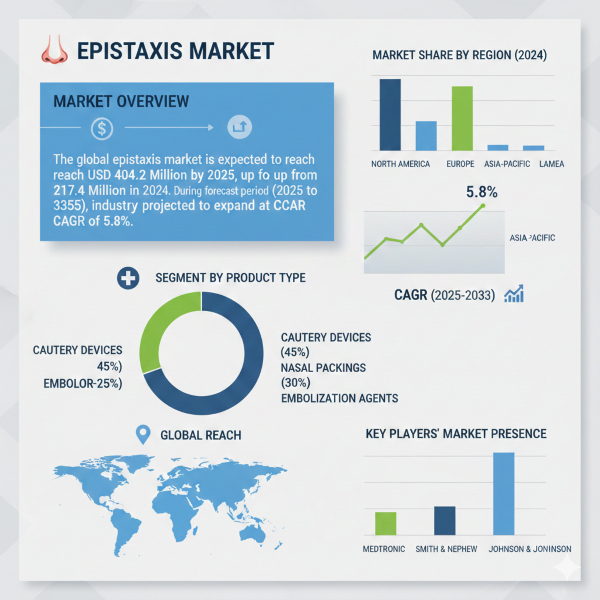
The epistaxis market encompasses a broad range of diagnostic tools, medical devices, pharmaceutical products, and procedural solutions designed to control nasal bleeding and prevent recurrence. Treatment approaches vary depending on the severity, frequency, and underlying cause of the condition, ranging from topical agents and nasal packing to cauterization and surgical interventions.
Healthcare providers are increasingly adopting standardized treatment protocols to improve clinical efficiency and patient comfort. Innovations in nasal packing materials, absorbable hemostatic agents, and endoscopic techniques are transforming how epistaxis is managed across emergency departments, hospitals, and specialty clinics. The shift toward evidence-based and patient-centric care models is further strengthening market development.
Key Market Drivers
One of the primary drivers of the epistaxis market is the growing incidence of nasal bleeding linked to environmental factors, lifestyle changes, and chronic health conditions. Increased exposure to dry air, allergens, and air pollution has heightened susceptibility to nasal mucosal irritation, particularly among vulnerable populations.
The expanding elderly population is another key factor, as age-related vascular fragility and long-term medication use can elevate the risk of recurrent epistaxis. Additionally, widespread use of anticoagulant and antiplatelet therapies has increased the need for effective bleeding control solutions in both hospital and outpatient settings.
Technological advancements in medical devices and procedural tools are also supporting market growth. Improved visualization techniques and minimally invasive treatment options are enabling clinicians to manage epistaxis more precisely, reducing complications and hospital stays.
Regional Insights
Developed healthcare systems continue to lead the epistaxis market due to strong clinical infrastructure, high awareness of nasal and ENT disorders, and widespread availability of advanced treatment options. These regions benefit from established emergency care protocols and access to specialized otolaryngology services.
Emerging markets are witnessing gradual growth as healthcare access improves and awareness of ENT conditions increases. Investments in hospital infrastructure, physician training, and medical device availability are helping expand treatment reach. As public health initiatives emphasize early intervention and preventive care, these regions are expected to play a growing role in the global epistaxis landscape.
Key Trends and Forecast
A major trend shaping the epistaxis market is the shift toward minimally invasive and patient-friendly treatment options. Absorbable nasal packing materials and topical hemostatic agents are gaining popularity due to their ease of use and improved patient comfort.
Another important trend is the increasing adoption of endoscopic techniques for accurate identification and management of bleeding sources. Enhanced visualization allows clinicians to deliver targeted treatment, reducing recurrence rates and improving long-term outcomes.
Digital health integration is also influencing the market, with teleconsultation and remote follow-up enabling better patient monitoring and post-treatment care. In parallel, manufacturers are focusing on product innovation and material advancements to improve safety, effectiveness, and ease of application.
Applications and End-Use Outlook
Epistaxis treatments are widely utilized across hospitals, emergency departments, ambulatory surgical centers, and specialty ENT clinics. Hospitals remain the primary end users due to the high volume of acute cases requiring immediate intervention.
Outpatient and ambulatory settings are gaining importance as mild to moderate cases are increasingly managed without hospitalization. This shift supports faster patient turnover, reduced healthcare costs, and improved patient satisfaction. Homecare guidance and preventive therapies are also becoming more common, particularly for patients with recurrent epistaxis.
Competitive Landscape
The epistaxis market features a mix of established medical device manufacturers and emerging healthcare companies focused on ENT solutions. Market participants are emphasizing product differentiation, clinical efficacy, and regulatory compliance to strengthen their competitive positioning.
Strategic collaborations between device manufacturers and healthcare providers are supporting the development of optimized treatment solutions. Ongoing research and product enhancements are expected to further improve clinical outcomes and expand treatment options across diverse care settings.
Conclusion
The epistaxis market is steadily evolving as healthcare providers seek more effective, safe, and patient-centric solutions for managing nasal bleeding. Advances in medical devices, minimally invasive techniques, and treatment protocols are enhancing both acute and long-term care outcomes. As awareness grows and healthcare access improves globally, the market is well-positioned to support improved management of epistaxis across diverse patient populations. Access to comprehensive market insights remains essential for stakeholders aiming to navigate emerging trends and drive innovation in this specialized healthcare segment.
Browse Full Report – https://www.factmr.com/report/344/epistaxis-market