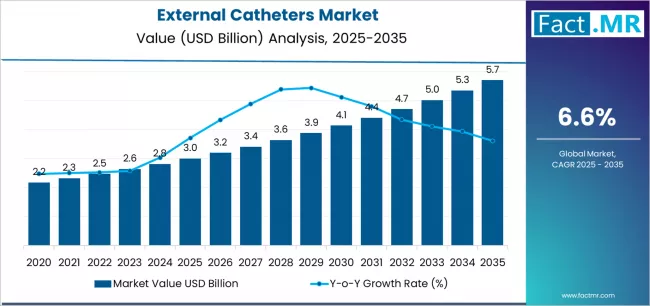
External catheters have become a pivotal component in modern urological care, providing a non-invasive, hygienic, and comfortable solution for urinary management. Unlike traditional indwelling catheters, external catheters offer superior patient comfort, reduce infection risks, and support dignity in both clinical and home healthcare settings. Growing awareness around continence care, increasing home healthcare adoption, and advances in medical device technology are collectively driving the demand for external catheters worldwide.
Market Overview
The external catheters market encompasses devices designed for male and female urinary management, with self-adhesive and silicone-based products dominating the landscape. These devices integrate advanced adhesive technologies and skin-friendly materials to ensure secure attachment, prevent leakage, and minimize skin irritation.
Healthcare providers and caregivers favor external catheters for their ease of application, safety, and reduced risk of urinary tract infections. Hospitals, long-term care facilities, and home healthcare setups rely on these devices as part of comprehensive continence management programs. Moreover, product innovations, such as antimicrobial coatings and preconfigured care kits, are enhancing usability, patient comfort, and infection control outcomes.
Regional Insights
North America remains a significant market for external catheters, supported by advanced healthcare infrastructure, home healthcare expansion, and established regulatory frameworks. Europe follows closely, driven by robust urological care networks, high awareness of infection control, and an emphasis on patient-centered care.
Asia-Pacific is emerging as a high-growth region due to rising elderly populations, increasing prevalence of urological disorders, and growing home healthcare awareness. Countries like India and China are seeing accelerated adoption of external catheters, aided by improving medical device infrastructure and greater accessibility of advanced continence care products.
Key Trends and Forecast
Innovation is a core trend in the external catheters market. Self-adhesive technologies continue to dominate due to their secure attachment, ease of use, and skin-friendly formulations. Silicone remains the preferred material for its biocompatibility and comfort during extended wear.
Other trends include the development of antimicrobial coatings to prevent infections, female-specific designs to expand product applicability, and hybrid materials to optimize performance and patient comfort. Additionally, smart monitoring systems are being integrated into catheter management solutions, enabling caregivers to track usage and ensure timely maintenance or replacement.
Applications and End-Use Outlook
External catheters are primarily used in hospital and home healthcare settings. Hospitals utilize these devices to maintain patient dignity, ensure infection prevention, and streamline continence care protocols in urology departments and long-term care units. Home healthcare is a rapidly expanding segment, as caregivers and patients seek non-invasive solutions for routine urinary management.
The market also caters to specialized populations, including male and female patients, pediatric and bariatric care groups, and individuals requiring chronic urinary management. These diverse applications are driving innovations in device design, sizing, and material composition to meet patient-specific requirements.
Challenges and Market Dynamics
Despite their benefits, external catheters face challenges such as the need for caregiver training, cost optimization, and ensuring consistent adherence to quality and safety standards. Skin irritation, improper application, and leakage concerns remain important considerations for manufacturers and healthcare providers.
The market dynamics are shaped by efforts to enhance product comfort, integrate infection-prevention technologies, and provide comprehensive continence care solutions that combine catheters, adhesives, and patient education programs. Regulatory compliance and clinical validation play crucial roles in building trust among end users and healthcare facilities.
Competitive Landscape
The competitive landscape of the external catheters market is characterized by a combination of multinational medical device manufacturers and specialized urological solution providers. Companies differentiate themselves through product innovation, material quality, adhesive performance, and integrated continence care solutions.
Strategic partnerships, product portfolio expansion, and investments in research and development are common strategies among leading players. By focusing on comfort, safety, and usability, manufacturers are enhancing patient compliance and creating strong competitive advantages in both hospital and home healthcare markets.
Conclusion
The external catheters market is poised for sustained growth, driven by increasing demand for non-invasive urinary management, rising adoption of home healthcare, and ongoing innovations in materials and product design. With a focus on patient comfort, infection prevention, and comprehensive continence care, external catheters are redefining urological care practices. Access to market insights and emerging trends enables healthcare providers, caregivers, and manufacturers to adopt effective strategies, ensuring safer, more efficient, and patient-centric continence management.
Browse Full Report – https://www.factmr.com/report/external-catheters-market