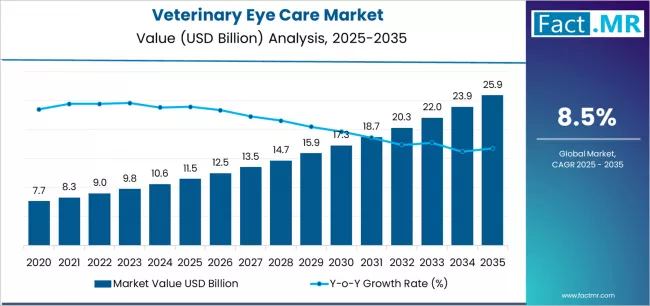
As awareness of animal health increases and veterinary care becomes more sophisticated, the veterinary eye care market is experiencing significant growth. Eye care for animals, both companion and production, is being recognized as a critical component of overall health management. The market is expanding due to increased pet ownership, rising emphasis on animal welfare, and adoption of advanced ophthalmology technologies in veterinary practices worldwide.
Market Overview
Veterinary eye care encompasses specialized services and products aimed at diagnosing, treating, and preventing ocular diseases in animals. These include advanced diagnostics, surgical interventions, medications, and preventive eye care protocols. Modern veterinary ophthalmology integrates precision diagnostics and minimally invasive procedures to manage conditions such as uveitis, glaucoma, cataracts, and corneal injuries.
The growing adoption of specialized veterinary clinics, coupled with increased awareness among pet owners and livestock producers, is driving demand for eye care services. Veterinary ophthalmology is no longer a niche segment; it has become an essential part of comprehensive animal healthcare, supporting vision preservation, disease management, and enhanced quality of life for animals.
Key Drivers of Market Growth
- Rising Animal Healthcare Awareness
Pet owners and livestock managers are increasingly investing in preventive and specialized care for their animals. This shift in mindset is boosting demand for veterinary eye care services and products. - Expansion of Veterinary Specialty Clinics
Veterinary clinics offering specialized ophthalmology services are growing globally. These clinics provide advanced diagnostics, surgical interventions, and treatment plans tailored to individual animal needs. - Technological Advancements
Integration of cutting-edge technologies such as advanced imaging systems, digital retinal analysis, and optical coherence tomography has improved disease detection and treatment outcomes. Innovative surgical techniques, including cataract extraction and corneal transplantation, are enhancing precision and success rates. - Increasing Focus on Animal Welfare
Regulatory emphasis on animal welfare and quality of life standards has encouraged veterinary practices to adopt comprehensive eye care protocols. Proper ocular management supports overall animal health, performance, and longevity. - Growth of Companion and Production Animal Healthcare
Both companion animals and production animals are benefiting from expanded ophthalmology services. For production animals, eye care reduces the risk of productivity losses, while for pets, it ensures optimal health and wellbeing.
Market Segments
Treatment Services
Treatment-based services dominate veterinary eye care, covering acute and chronic ocular conditions. Treatment services combine medical therapy and surgical interventions to manage eye diseases effectively, making this segment highly sought after.
Diagnostic Services
Advanced diagnostic procedures, including imaging and vision testing, help veterinarians detect ocular diseases early, plan precise treatments, and monitor recovery. The increasing use of diagnostics enhances service quality and patient outcomes.
Animal Type
Production animals account for a significant share of the market due to the economic and welfare importance of livestock. Companion animals, particularly cats and dogs, are also a key segment, reflecting rising pet ownership and enhanced care standards.
Indications
Common ocular conditions such as uveitis, cataracts, glaucoma, and corneal injuries are primary drivers of veterinary eye care demand. Focused treatment strategies for these indications are contributing to improved animal health outcomes.
Regional Insights
North America
North America remains a leading region due to high pet ownership, strong veterinary infrastructure, and advanced adoption of ophthalmology technologies. Specialty clinics and well-developed service networks support the region’s robust growth.
Europe
Europe benefits from structured veterinary practice guidelines, growing awareness, and a focus on preventive animal healthcare. Veterinary ophthalmology services are widely integrated into routine animal care protocols.
Asia-Pacific
Asia-Pacific is emerging as a high-growth market. Expanding livestock industries, increasing companion animal adoption, and investments in veterinary specialty services are driving growth. Local partnerships and clinical network expansion are enhancing service accessibility.
Other Regions
Emerging markets in Latin America, the Middle East, and Africa are seeing gradual uptake of veterinary eye care services. Awareness campaigns and infrastructure development in these regions are opening new opportunities for market expansion.
Opportunities and Trends
Technological Integration
The use of telemedicine and remote consultation platforms is expanding access to veterinary ophthalmology expertise, particularly in rural and underserved areas. Digital imaging, AI-assisted diagnostics, and minimally invasive surgical techniques are shaping the future of the market.
Preventive Eye Care Programs
Growing interest in preventive care is encouraging veterinarians to develop comprehensive ocular health protocols. Regular screenings and early interventions are becoming standard practices for both companion and production animals.
Specialized Training Initiatives
Veterinary professionals are increasingly pursuing specialized training in ophthalmology, leading to higher-quality services and better treatment outcomes. Clinics emphasizing clinical excellence and innovation gain a competitive advantage.
Service Expansion in Production Animals
Advanced eye care protocols for livestock help reduce disease-related productivity losses and improve animal welfare. Focused treatment solutions in agricultural settings are becoming increasingly important for overall operational efficiency.
Conclusion
The veterinary eye care market is undergoing transformative growth as specialized services, advanced diagnostics, and innovative treatment protocols gain prominence. Rising awareness of animal health, expanding specialty clinic networks, and technological advancements are fueling market development.
Both companion and production animals are benefitting from improved eye care services, which enhance vision preservation, prevent ocular diseases, and elevate overall animal welfare. For veterinary practitioners and healthcare providers, investing in advanced ophthalmology services offers an opportunity to deliver superior outcomes, strengthen client trust, and position themselves as leaders in modern animal healthcare.
The future of veterinary eye care is poised for continued expansion, driven by innovations in diagnostics and treatment, growing service accessibility, and a sustained commitment to animal health and welfare worldwide.
Browse Full Report – https://www.factmr.com/report/980/veterinary-eye-care-market