With the rapid convergence of healthcare and digital technology, wearable healthcare devices are reshaping how individuals monitor and manage their health. These devices, ranging from smartwatches to advanced biosensors, are enabling continuous health tracking and real-time insights. The wearable healthcare devices market is expanding significantly as consumers and healthcare providers increasingly adopt technology-driven solutions to improve health outcomes, enhance preventive care, and reduce healthcare costs.
Market Overview:
Wearable healthcare devices are electronic gadgets designed to be worn on the body, allowing users to track various health metrics such as heart rate, physical activity, sleep patterns, blood oxygen levels, and more. These devices are equipped with sensors, connectivity features, and data analytics capabilities that provide actionable insights to users and medical professionals.
The market is being driven by rising health awareness, increasing prevalence of chronic diseases, and the growing demand for remote patient monitoring. As lifestyles become more sedentary and health risks rise, individuals are seeking convenient ways to stay informed about their well-being. Wearable devices offer a proactive approach, enabling early detection of potential health issues and encouraging healthier habits.
Technological advancements have also played a crucial role in market growth. Integration with smartphones, cloud platforms, and artificial intelligence has enhanced the functionality of wearable devices, making them more accurate, user-friendly, and accessible to a broader audience.
Regional Insights:
North America holds a leading position in the wearable healthcare devices market, supported by advanced healthcare infrastructure, high consumer awareness, and strong adoption of digital health technologies. The presence of major technology companies and continuous innovation further contribute to the region’s dominance.
Europe is also a key market, driven by increasing investments in healthcare innovation and supportive government initiatives promoting digital health solutions. The region’s focus on improving patient care and managing healthcare costs has accelerated the adoption of wearable devices.
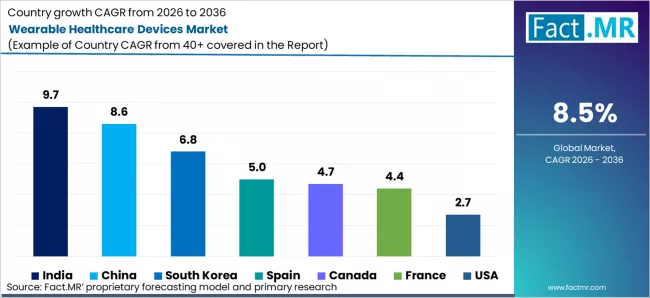
The Asia-Pacific region is witnessing rapid growth, fueled by a large population base, rising disposable incomes, and expanding access to healthcare services. Increasing smartphone penetration and growing awareness of fitness and wellness are encouraging consumers in countries like India, China, and Japan to adopt wearable healthcare technologies.
Key Trends & Forecast:
One of the most notable trends in the wearable healthcare devices market is the integration of advanced sensors and artificial intelligence. These technologies enable devices to provide more precise health data and predictive insights, helping users make informed decisions about their health.
Another important trend is the growing popularity of remote patient monitoring. Healthcare providers are increasingly using wearable devices to track patients’ conditions in real time, reducing the need for frequent hospital visits and improving patient outcomes. This trend has gained significant momentum with the rise of telemedicine and virtual healthcare services.
The market is also witnessing a shift toward multifunctional devices that combine fitness tracking with medical-grade monitoring capabilities. Consumers are showing a preference for devices that offer a comprehensive view of their health in a single platform.
Data security and privacy have become critical considerations as wearable devices collect sensitive health information. Companies are focusing on implementing robust security measures and complying with regulatory standards to build user trust and ensure data protection.
Looking ahead, the wearable healthcare devices market is expected to continue its upward trajectory, driven by ongoing technological innovations, increasing healthcare digitization, and a growing emphasis on preventive care.
Applications & End-Use Outlook:
Wearable healthcare devices are widely used across various applications, including fitness and wellness tracking, chronic disease management, remote patient monitoring, and rehabilitation. In fitness and wellness, these devices help users track their physical activity, monitor calorie intake, and maintain a healthy lifestyle.
In healthcare settings, wearable devices play a crucial role in managing chronic conditions such as diabetes, cardiovascular diseases, and respiratory disorders. Continuous monitoring allows healthcare providers to detect abnormalities early and intervene promptly.
Hospitals and clinics are increasingly adopting wearable technologies to enhance patient care and streamline operations. These devices enable real-time monitoring of vital signs, improving patient safety and reducing the burden on healthcare staff.
The use of wearable devices is also expanding in home healthcare, where patients can monitor their health independently and share data with healthcare providers remotely. This approach not only improves convenience but also reduces healthcare costs and hospital readmissions.
Conclusion:
The wearable healthcare devices market is revolutionizing the healthcare landscape by empowering individuals to take control of their health and enabling providers to deliver more efficient and personalized care. As technology continues to evolve, these devices will become even more sophisticated, offering deeper insights and improved accuracy.
Organizations that invest in wearable healthcare technologies and integrate them into their healthcare strategies will be better positioned to meet the growing demand for digital health solutions. With increasing adoption across various sectors, wearable healthcare devices are set to play a pivotal role in shaping the future of healthcare, making it more connected, proactive, and patient-centric.
Browse Full Report – https://www.factmr.com/report/wearable-healthcare-devices-market