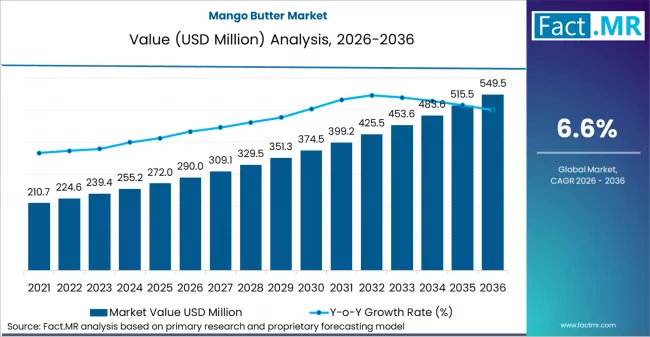
The mango butter market is steadily gaining momentum as consumers increasingly shift toward natural, plant-based ingredients in personal care and cosmetic products. Extracted from the kernels of mango seeds, mango butter is rich in essential fatty acids, antioxidants, and vitamins, making it a highly desirable ingredient in skincare formulations. Its emollient properties and ability to deeply moisturize the skin have positioned it as a preferred alternative to synthetic chemicals and petroleum-based ingredients. As clean beauty trends continue to reshape consumer preferences, the demand for mango butter is expected to witness sustained growth across global markets.
Market Overview:
Mango butter is widely used in cosmetics, pharmaceuticals, and personal care products due to its nourishing and healing properties. It is known for improving skin elasticity, reducing dryness, and providing protection against environmental stressors. The market is driven by rising awareness regarding the benefits of natural ingredients, along with increasing concerns about harmful chemicals in conventional products. Manufacturers are incorporating mango butter into a variety of offerings such as lotions, creams, lip balms, hair conditioners, and soaps.
The growing popularity of organic and sustainable products is also encouraging producers to focus on eco-friendly sourcing and production methods. Additionally, mango butter’s long shelf life and non-greasy texture enhance its appeal among both manufacturers and end-users. As consumers continue to seek multifunctional skincare solutions, mango butter is emerging as a key ingredient in innovative product formulations.
Regional Insights:
North America holds a significant share in the mango butter market, supported by high consumer awareness and strong demand for organic skincare products. The presence of well-established cosmetic brands and a growing inclination toward clean-label products are further contributing to market expansion in the region.
Europe is another prominent market, driven by stringent regulations promoting the use of safe and natural ingredients in personal care products. Consumers in this region are highly conscious about sustainability and ethical sourcing, which is boosting the adoption of mango butter in various applications.
The Asia-Pacific region is expected to witness rapid growth, fueled by increasing disposable income, expanding middle-class population, and rising interest in herbal and Ayurvedic products. Countries in this region are also key producers of mangoes, which supports raw material availability and cost-effective production. As awareness about natural skincare grows, demand for mango butter-based products is likely to accelerate further.
Latin America and the Middle East & Africa are also showing promising potential, supported by the abundance of mango cultivation and growing beauty and wellness industries.
Key Trends & Forecast:
One of the most notable trends in the mango butter market is the rising demand for clean beauty and organic products. Consumers are increasingly reading labels and opting for products that are free from harmful chemicals, parabens, and synthetic fragrances. This shift is encouraging manufacturers to highlight mango butter as a natural and safe ingredient.
Another significant trend is the growing use of mango butter in hair care formulations. Its ability to nourish the scalp, reduce frizz, and strengthen hair strands has made it a popular choice in conditioners, masks, and styling products.
Sustainability is also playing a crucial role in shaping the market. Companies are focusing on ethical sourcing practices, including fair trade initiatives and environmentally friendly extraction methods. This not only enhances brand reputation but also aligns with consumer values.
Innovation in product development is further driving market growth. Brands are experimenting with blends of mango butter and other natural ingredients such as shea butter, cocoa butter, and essential oils to create multifunctional products that cater to diverse consumer needs.
With the continuous expansion of e-commerce platforms, accessibility to mango butter-based products has improved significantly. Online retail channels are enabling brands to reach a wider audience and offer detailed product information, which helps in building consumer trust.
Applications & End-Use Outlook:
Mango butter finds extensive application across multiple industries, with the personal care and cosmetics sector being the largest consumer. It is widely used in moisturizers, body butters, lip care products, and anti-aging creams due to its hydrating and skin-repairing properties.
In the pharmaceutical industry, mango butter is utilized in ointments and therapeutic creams for its soothing and healing benefits. Its anti-inflammatory properties make it suitable for treating dry skin conditions and minor irritations.
The food industry is also exploring the potential of mango butter as a cocoa butter substitute in confectionery products, although this application is still in its early stages. Additionally, the rise of DIY skincare and homemade beauty products has further boosted the demand for raw mango butter among individual consumers.
End users include cosmetic manufacturers, pharmaceutical companies, and individual consumers who prefer natural skincare solutions. As awareness continues to grow, more industries are likely to explore the benefits of mango butter in their product offerings.
Conclusion:
The mango butter market is poised for steady growth as consumers increasingly embrace natural and sustainable products. Its versatility, combined with its rich nutritional profile, makes it a valuable ingredient across various industries. With ongoing innovations, expanding applications, and rising global awareness, mango butter is set to play a significant role in the future of the personal care and cosmetics market. Organizations that invest in ethical sourcing, product innovation, and consumer education will be well-positioned to capitalize on the growing demand for this natural ingredient.
Browse Full Report – https://www.factmr.com/report/mango-butter-market