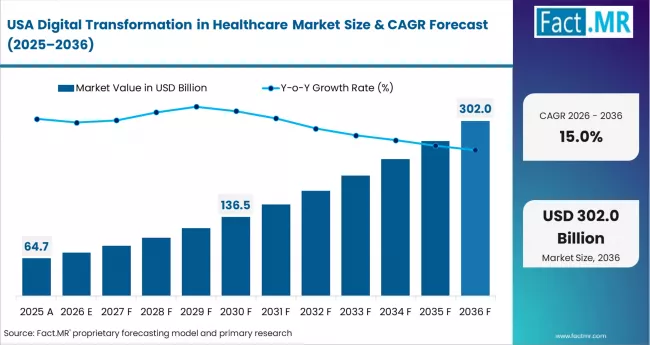
The healthcare industry is undergoing a profound shift as digital technologies redefine how care is delivered, managed, and experienced. Digital transformation in healthcare is no longer optional—it is a strategic imperative driven by the need for improved patient outcomes, cost efficiency, and data-driven decision-making. From electronic health records to AI-powered diagnostics, healthcare providers are embracing innovation to stay competitive and meet rising patient expectations.
Market Overview:
Digital transformation in healthcare refers to the integration of advanced technologies into medical systems and processes to enhance service quality, streamline workflows, and enable personalized care. This transformation includes the adoption of cloud computing, big data analytics, telemedicine, wearable devices, and artificial intelligence. Healthcare organizations are leveraging these tools to improve clinical accuracy, reduce administrative burdens, and foster better communication between patients and providers.
The shift toward value-based care models is further accelerating digital adoption. Providers are focusing on delivering better outcomes at lower costs, which requires efficient data management and real-time insights—both made possible through digital solutions.
Key Drivers of Growth:
Several factors are contributing to the rapid expansion of the digital transformation in healthcare market. The growing demand for remote healthcare services, especially after the global pandemic, has significantly boosted telehealth adoption. Patients now prefer virtual consultations and remote monitoring, leading to increased investments in digital platforms.
Additionally, the rising prevalence of chronic diseases has created a need for continuous patient monitoring and predictive analytics. Digital tools enable early diagnosis, personalized treatment plans, and better disease management. Government initiatives promoting healthcare digitization and the widespread use of smartphones and internet connectivity are also supporting market growth.
Regional Insights:
North America remains at the forefront of digital transformation in healthcare due to its advanced infrastructure, high healthcare spending, and strong presence of technology providers. Europe is also witnessing significant growth, driven by strict regulatory frameworks and increasing emphasis on data privacy and patient safety.
The Asia-Pacific region is emerging as a key growth hub, fueled by rapid urbanization, expanding healthcare infrastructure, and government initiatives promoting digital health. Countries in this region are investing heavily in telemedicine, mobile health applications, and AI-based healthcare solutions to improve accessibility and efficiency.
Key Trends & Innovations:
- Telemedicine Expansion: Virtual healthcare services are becoming mainstream, allowing patients to consult doctors from the comfort of their homes. This trend is particularly beneficial in rural and underserved areas.
- Artificial Intelligence and Machine Learning: AI is transforming diagnostics, drug discovery, and patient care by providing faster and more accurate insights. Predictive analytics helps in identifying potential health risks before they become critical.
- Cloud-Based Solutions: Healthcare providers are increasingly adopting cloud platforms for secure data storage and seamless information sharing. This enhances collaboration and reduces infrastructure costs.
- Wearable Technology and IoT: Devices such as fitness trackers and remote monitoring tools are enabling continuous health tracking, empowering patients to take control of their health.
- Interoperability and Data Integration: Efforts are being made to ensure that different healthcare systems can communicate effectively, allowing for better data exchange and coordinated care.
Applications & End-Use Outlook:
Digital transformation is impacting multiple areas within healthcare. Hospitals and clinics are using digital tools to optimize patient management, streamline administrative tasks, and improve clinical outcomes. Telehealth platforms are enabling remote consultations, reducing the need for physical visits.
Pharmaceutical companies are leveraging digital technologies for research, clinical trials, and supply chain management. Health insurance providers are also adopting digital solutions to enhance customer experience and streamline claims processing.
Moreover, patients themselves are becoming active participants in their healthcare journey. Mobile health apps, online portals, and wearable devices are providing individuals with access to real-time health information, enabling informed decision-making.
Challenges in Adoption:
Despite its numerous benefits, digital transformation in healthcare faces certain challenges. Data security and privacy concerns remain a major issue, as healthcare data is highly sensitive. Ensuring compliance with regulations while maintaining data accessibility is a complex task.
Additionally, the high cost of implementation and lack of technical expertise can hinder adoption, especially for smaller healthcare providers. Resistance to change among healthcare professionals and the need for continuous training also pose challenges.
Future Outlook:
The future of digital transformation in healthcare looks promising, with continuous advancements in technology driving innovation. The integration of AI, blockchain, and advanced analytics is expected to further enhance efficiency and transparency in healthcare systems.
As patient expectations continue to evolve, healthcare providers will need to focus on delivering personalized, accessible, and efficient services. Digital transformation will play a critical role in achieving these goals, enabling a more connected and patient-centric healthcare ecosystem.
Conclusion:
Digital transformation is reshaping the healthcare landscape by improving patient care, enhancing operational efficiency, and enabling data-driven decision-making. As the industry continues to evolve, embracing digital technologies will be essential for healthcare organizations to remain competitive and deliver high-quality care. Organizations that invest in robust digital strategies today will be better positioned to navigate future challenges and opportunities in the healthcare sector.
Browse Full Report – https://www.factmr.com/report/digital-transformation-in-healthcare-market