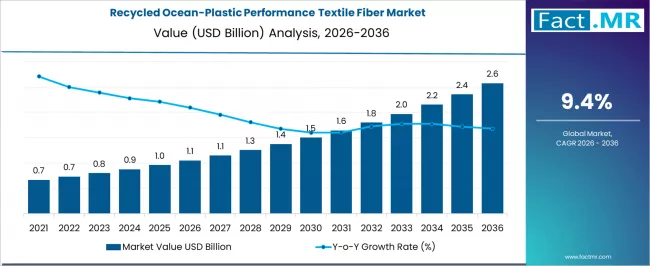
Plastic pollution in oceans has emerged as one of the most critical environmental challenges of modern times. In response, industries across the globe are rethinking material sourcing and production practices. The recycled ocean-plastic performance textile fiber market represents a powerful intersection of sustainability, innovation, and functionality. By converting marine plastic waste into high-performance textile fibers, this market is redefining how environmental responsibility can coexist with durability and performance.
Growing awareness of ocean conservation, coupled with rising demand for sustainable apparel and technical textiles, is accelerating interest in recycled ocean-plastic fibers. These materials not only help reduce marine pollution but also support circular economy principles across the textile value chain.
Market Overview
The recycled ocean-plastic performance textile fiber market encompasses fibers produced from plastic waste collected from oceans, coastlines, and waterways. Through advanced recycling and processing technologies, this waste is transformed into fibers suitable for performance-oriented textile applications.
These fibers are engineered to meet demanding standards for strength, flexibility, moisture management, and durability. Unlike conventional recycled fibers, ocean-plastic-based fibers emphasize traceability and environmental impact reduction, making them particularly attractive to sustainability-focused brands.
The market includes a range of fiber types used in apparel, footwear, home textiles, and industrial applications. Manufacturers are increasingly investing in purification, polymer enhancement, and spinning technologies to ensure consistent quality and performance comparable to virgin synthetic fibers.
Regional Insights
Adoption of recycled ocean-plastic performance textile fibers varies by region, influenced by sustainability regulations, consumer awareness, and textile manufacturing capacity. Regions with strong environmental policies and active marine conservation initiatives are at the forefront of adoption.
In major textile manufacturing hubs, recycled ocean-plastic fibers are gaining traction as brands seek to align production practices with global sustainability commitments. Partnerships between recycling organizations, fiber producers, and apparel brands are strengthening regional supply chains.
Coastal regions and island economies are also playing an important role, leveraging local waste collection initiatives to support fiber production and community-based sustainability programs. These regional efforts contribute to both environmental cleanup and economic development.
Key Trends & Market Outlook
One of the most significant trends shaping the market is the increasing emphasis on transparency and traceability. Brands and consumers alike are demanding clear documentation of material origins, recycling processes, and environmental impact. Blockchain and digital tracking solutions are being integrated to support credibility and trust.
Another key trend is the growing use of recycled ocean-plastic fibers in performance and activewear. These applications require materials that offer breathability, moisture control, and resilience, driving innovation in fiber engineering and finishing techniques.
Collaboration across the value chain is also accelerating market growth. Textile manufacturers, recycling firms, technology providers, and fashion brands are working together to scale production and improve efficiency. These partnerships help overcome challenges related to raw material consistency and processing costs.
Additionally, advancements in recycling technologies are improving fiber quality and expanding application potential. Enhanced sorting, cleaning, and polymer modification techniques are enabling the production of fibers suitable for high-performance and long-life textile products.
Applications & End-Use Outlook
Recycled ocean-plastic performance textile fibers are widely used in apparel, particularly in sportswear, outdoor clothing, and athleisure segments. These applications benefit from the fibers’ durability, lightweight nature, and sustainability appeal.
Footwear manufacturers are increasingly incorporating these fibers into uppers, linings, and reinforcement components. The use of ocean-plastic-based materials supports brand sustainability narratives while delivering functional performance.
Home textiles, including upholstery, carpets, and decorative fabrics, represent another growing application area. In these segments, recycled fibers offer durability and design flexibility while contributing to environmentally responsible interior solutions.
Industrial and technical textile applications are also emerging, particularly where durability and environmental credentials are valued. These include automotive interiors, accessories, and specialized fabrics used in protective or functional settings.
Competitive Landscape and Strategic Developments
The recycled ocean-plastic performance textile fiber market includes a mix of specialized recycling companies, fiber manufacturers, and vertically integrated textile producers. Competitive differentiation is driven by material quality, scalability, certification, and innovation capabilities.
Leading players are investing in research and development to enhance fiber performance and expand end-use applications. Strategic partnerships with apparel brands and sustainability organizations are commonly used to strengthen market positioning and brand credibility.
Certification and compliance with environmental standards play a crucial role in market competitiveness. Companies that can demonstrate verified environmental impact reduction and consistent product quality are better positioned to attract premium customers.
Conclusion
The recycled ocean-plastic performance textile fiber market represents a meaningful step toward addressing marine pollution while advancing sustainable textile innovation. By transforming ocean waste into valuable, high-performance materials, this market supports both environmental protection and industrial progress.
As sustainability continues to influence consumer preferences and corporate strategies, demand for recycled ocean-plastic fibers is expected to grow. Insights from comprehensive market research, such as those provided by Fact.MR, can help stakeholders understand evolving trends, regional dynamics, and strategic opportunities in this environmentally impactful and forward-looking market.
Browse Full Report – https://www.factmr.com/report/recycled-ocean-plastic-performance-textile-fiber-market