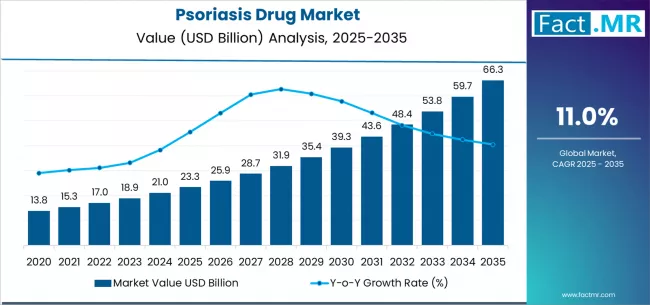
The global psoriasis drug market is witnessing strong growth as awareness of chronic skin diseases increases and advanced therapeutic options continue to evolve. Psoriasis, a long-term autoimmune disorder, requires continuous management, pushing demand for effective and accessible treatment solutions. Between 2024 and 2034, the market is projected to expand steadily, driven by innovations in biologics, targeted therapies, and improved accessibility across healthcare channels.
Market Overview
Psoriasis occurs when the immune system accelerates the skin-cell production cycle, leading to red, scaly, itchy patches. As a chronic condition, it demands persistent care, making pharmaceutical therapies essential for managing symptoms, preventing flare-ups, and improving the quality of life of millions of patients worldwide.
The psoriasis drug market includes several therapeutic classes such as corticosteroids, biologics, immunosuppressants, systemic drugs, and topical treatments. These therapies are supplied through hospitals, retail pharmacies, and specialty dermatology centers. With rising disease prevalence and expanding healthcare access, the market continues to grow across developed and emerging regions alike.
Key Market Drivers
- Rising Prevalence & Growing Awareness
Psoriasis is one of the most common chronic dermatological conditions globally. Increased awareness campaigns, improved diagnosis, and patient education have contributed to higher treatment rates, directly boosting market growth.
- Advancements in Biologics & Targeted Therapies
Biologic drugs—particularly IL-17, IL-23, and TNF inhibitors—have transformed psoriasis treatment by targeting the immune pathways responsible for the disease. These therapies deliver longer-lasting results with better safety profiles, making them a preferred choice for moderate-to-severe psoriasis cases.
- Expansion of Systemic & Oral Treatments
Systemic therapies, including oral drugs and injectables, are witnessing increased adoption as they offer greater convenience for long-term disease management. Newer formulations continue to enhance patient adherence and efficacy.
- Rising Healthcare Investment & R&D Activities
Pharmaceutical companies are actively investing in research to develop novel drug molecules, biosimilars, and improved delivery methods. Continuous innovation in dermatology and immunomodulation is expected to further diversify treatment offerings.
- Improved Access Through Expanded Distribution Channels
Hospitals, retail pharmacies, and dermatology clinics have strengthened global supply chains, making psoriasis drugs more easily accessible. Growing digital pharmacy platforms are also improving availability in urban and semi-urban regions.
Segment Insights
Corticosteroids Continue to Play a Major Role
Corticosteroids remain a widely used treatment option due to their fast action, accessibility, and affordability. These drugs are often prescribed for mild to moderate cases or used in combination with systemic therapies for better results.
Biologics Leading Market Growth
Biologics have become the cornerstone of modern psoriasis therapy. Their targeted approach minimizes side effects, improves symptom control, and reduces flare-ups. As more biologic formulations and biosimilars enter the market, their share is expected to rise significantly.
Topical Therapies Still in Demand
For mild psoriasis and localized patches, topical drugs such as corticosteroids, vitamin D analogs, and combination creams remain essential. Their low cost and convenience make them a staple in primary care.
Systemic & Oral Therapies Gaining Momentum
Systemic therapies are used to manage severe or widespread psoriasis. Innovations in oral drug delivery have made these treatments more patient-friendly, supporting increased adoption across markets.
Regional Insights
North America
North America remains a leading market due to advanced healthcare infrastructure, higher disease prevalence, and rapid adoption of cutting-edge biologics. Strong reimbursement systems further support patient access to expensive therapies.
Europe
Europe’s market growth is supported by structured clinical guidelines, strong dermatology networks, and increasing preference for biologics. Emphasis on public health initiatives contributes to improved diagnosis and treatment rates.
Asia-Pacific
Asia-Pacific is emerging as a high-potential region due to rising awareness, growing middle-class populations, and expanding healthcare access. As local manufacturers scale up production and biologics become more affordable, this region is expected to contribute significantly to global growth.
Rest of the World
Regions such as Latin America, the Middle East, and parts of Africa are witnessing gradual improvements in healthcare delivery and psoriasis recognition. These emerging markets offer new opportunities for pharmaceutical companies investing in affordable drug options.
Challenges in the Market
High Cost of Advanced Therapies
Biologics and targeted therapies, though highly effective, are expensive. Limited reimbursement in many regions hampers accessibility for patients.
Regulatory & Reimbursement Barriers
Complex regulatory approvals and variations in reimbursement policies create challenges for pharmaceutical companies and healthcare providers.
Patient Adherence Issues
Since psoriasis is a chronic condition, long-term treatment is essential. High treatment costs, side effects, or lack of awareness can lead to poor adherence, reducing therapeutic effectiveness.
Need for More Affordable Solutions
While breakthrough therapies continue to push innovation, affordability remains a pressing concern. The expansion of biosimilars is expected to ease this challenge over time.
Future Outlook
The psoriasis drug market is poised for considerable growth as therapeutic innovation accelerates and global healthcare access improves. Biologics and biosimilars will continue to lead market expansion, supported by increasing demand for targeted therapies and precision treatment approaches. Systemic and oral therapies will also grow rapidly as patient-friendly options gain traction.
Developing nations are becoming key growth regions as awareness increases and pharmaceutical supply chains strengthen. With continued R&D investments, strategic collaborations, and digital health integration, the next decade is expected to bring more effective, affordable, and accessible treatments for psoriasis patients worldwide.
Browse Full Report – https://www.factmr.com/report/psoriasis-drug-market