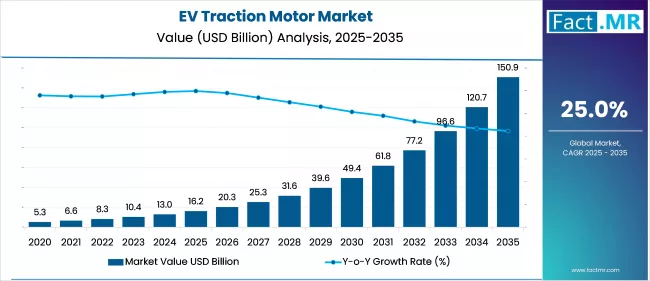
The global transition toward electric mobility is reshaping the automotive and transportation landscape, placing EV traction motors at the core of this transformation. As electric vehicles gain widespread acceptance across passenger, commercial, and industrial segments, the demand for efficient, high-performance traction motors continues to rise. These motors are critical components that convert electrical energy into mechanical power, directly influencing vehicle acceleration, efficiency, range, and overall driving experience.
Growing environmental concerns, stricter emission regulations, and increasing investments in electric vehicle infrastructure are accelerating the adoption of EVs worldwide. In this evolving ecosystem, traction motor technology is advancing rapidly, enabling manufacturers to enhance vehicle performance while reducing energy losses and operational costs.
Market Overview
The EV traction motor market encompasses a wide range of motor technologies designed for use in battery electric vehicles, hybrid electric vehicles, and plug-in hybrid electric vehicles. These motors are engineered to deliver high torque at low speeds, smooth acceleration, and reliable performance across diverse driving conditions.
Automakers and component suppliers are focusing on improving power density, thermal efficiency, and durability of traction motors. Innovations in motor design, materials, and manufacturing processes are supporting the development of compact, lightweight motors that align with modern EV platform requirements. As electric mobility expands beyond personal vehicles into public transport, logistics, and industrial applications, the scope of the EV traction motor market continues to broaden.
Key Market Drivers
One of the primary drivers of the EV traction motor market is the accelerating adoption of electric vehicles across global markets. Government initiatives promoting clean transportation, coupled with consumer demand for sustainable mobility solutions, are creating favorable conditions for traction motor deployment.
Technological advancements in power electronics, battery systems, and motor control software are further enhancing traction motor efficiency and performance. Automakers are increasingly prioritizing integrated electric drive systems that combine motors, inverters, and transmissions into compact units, improving vehicle efficiency and reducing production complexity.
Additionally, rising fuel costs and growing awareness of total cost of ownership benefits associated with electric vehicles are encouraging fleet operators and individual consumers to shift toward EVs, indirectly boosting traction motor demand.
Regional Insights
Developed automotive markets are leading the adoption of advanced EV traction motor technologies, supported by established EV manufacturing ecosystems and strong research and development capabilities. These regions benefit from early adoption of electric mobility, extensive charging infrastructure, and favorable regulatory frameworks.
Emerging markets are also gaining momentum as governments invest in electrification initiatives and domestic EV production. Increasing urbanization, expanding public transport electrification projects, and rising environmental awareness are supporting steady growth in traction motor demand across these regions. As local manufacturing capabilities improve, regional supply chains are becoming more resilient and cost-efficient.
Key Trends and Industry Developments
One of the most notable trends in the EV traction motor market is the shift toward high-efficiency motor designs that minimize energy losses and extend vehicle range. Manufacturers are exploring advanced materials and optimized electromagnetic designs to enhance performance while maintaining compact form factors.
Another significant trend is the growing adoption of permanent magnet and induction motor technologies, each offering distinct advantages depending on vehicle type and application. Continuous innovation is also underway to reduce dependency on rare-earth materials, improving supply chain sustainability and cost stability.
Digitalization and smart motor control systems are further transforming the market. Advanced software algorithms enable precise torque control, regenerative braking optimization, and real-time performance monitoring. These capabilities are essential for improving driving dynamics and energy efficiency in modern electric vehicles.
Applications and End-Use Outlook
EV traction motors are widely used across passenger vehicles, commercial vehicles, buses, and specialty electric mobility solutions. Passenger electric vehicles represent a major application segment, driven by growing consumer adoption and expanding model availability across different price points.
Commercial electric vehicles, including delivery vans and buses, are increasingly adopting traction motors optimized for durability and continuous operation. Public transportation electrification initiatives are further expanding the use of traction motors in urban mobility systems. Beyond automotive applications, traction motors are also finding use in electric off-highway vehicles and industrial transport solutions.
Competitive Landscape
The EV traction motor market is characterized by intense competition among established automotive suppliers, motor manufacturers, and emerging technology firms. Companies are focusing on strategic collaborations, product innovationly, product innovation, and vertical integration to strengthen their market presence. Investments in research and development are enabling continuous improvements in motor efficiency, reliability, and cost-effectiveness.
Partnerships between automakers and component suppliers are becoming increasingly common, allowing for customized motor solutions tailored to specific vehicle platforms. This collaborative approach is accelerating innovation while reducing time-to-market for new electric vehicle models.
Conclusion
The EV traction motor market plays a pivotal role in shaping the future of electric mobility. As the global automotive industry continues its shift toward electrification, traction motors will remain central to vehicle performance, efficiency, and sustainability. Ongoing advancements in motor technology, materials, and digital control systems are driving continuous improvement across the market. For industry stakeholders, accessing in-depth market intelligence and strategic insights is essential to navigate evolving trends and capitalize on emerging opportunities in this rapidly advancing sector.
Browse Full Report – https://www.factmr.com/report/336/ev-traction-motor-market