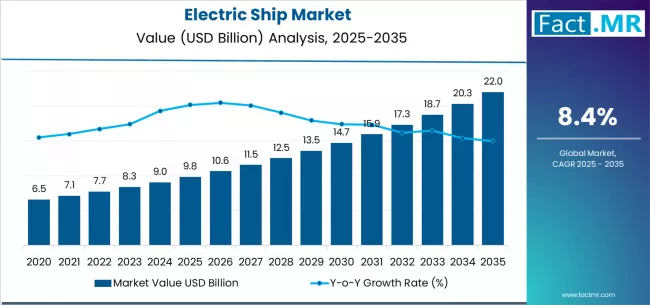
The global maritime industry is entering a transformative phase as sustainability and decarbonization become top priorities. The Electric Ship Market is gaining substantial momentum as shipbuilders, fleet operators, and governments shift toward low-emission and energy-efficient marine solutions. With increasing environmental regulations and the global push to reduce greenhouse gas emissions, electric propulsion systems are emerging as a viable alternative to conventional fuel-powered vessels.
Electric ships utilize advanced battery systems, hybrid propulsion technologies, and integrated power management solutions to minimize fuel consumption and environmental impact. As innovation accelerates and investments grow, the market is set to witness steady expansion across commercial, defense, and passenger vessel segments.
Market Overview
Electric ships are vessels powered partially or entirely by electricity, often supported by advanced battery storage systems or hybrid configurations that combine electric propulsion with traditional engines. These systems offer improved energy efficiency, lower operating costs, reduced noise levels, and minimal carbon emissions.
The market is segmented based on vessel type, propulsion technology, power source, and end-use applications. Fully electric ships are increasingly deployed in short-distance routes such as ferries and inland waterways, while hybrid-electric ships are preferred for longer routes where battery limitations still exist.
Key vessel categories include:
- Ferries
- Cruise ships
- Commercial cargo vessels
- Offshore support vessels
- Naval and defense ships
- Research and survey vessels
Among these, electric ferries are witnessing rapid adoption due to their suitability for short-haul operations and growing demand for sustainable public transportation systems.
Key Market Drivers
- Stringent Environmental Regulations
Global maritime authorities are implementing strict emission norms to combat climate change and reduce marine pollution. Regulations aimed at limiting sulfur emissions and carbon footprints are encouraging ship operators to transition toward electric and hybrid propulsion systems.
- Growing Focus on Decarbonization
The shipping industry contributes significantly to global carbon emissions. As international bodies and governments set ambitious net-zero targets, electric ships are becoming central to maritime decarbonization strategies. Many countries are offering incentives and funding support to accelerate green shipping initiatives.
- Advancements in Battery Technology
Continuous improvements in lithium-ion batteries and energy storage systems are enhancing vessel range, efficiency, and safety. Higher energy density and faster charging capabilities are making electric ships more practical and commercially viable.
- Rising Fuel Costs and Operational Efficiency
Electric propulsion systems reduce dependency on fossil fuels and help lower long-term operational costs. Electric ships also require less maintenance compared to traditional combustion engine vessels, contributing to overall cost savings.
Regional Insights
Europe
Europe leads the electric ship market due to strong environmental policies, technological innovation, and widespread adoption of electric ferries. Several European countries have invested heavily in electrifying short-sea shipping and inland waterways, setting a benchmark for sustainable maritime transport.
North America
North America is experiencing steady growth, driven by regulatory initiatives and increasing investments in clean marine technologies. Ports and shipping companies are gradually transitioning toward hybrid and electric vessels to align with sustainability commitments.
Asia-Pacific
Asia-Pacific is emerging as a promising market, supported by large-scale shipbuilding activities and expanding maritime trade. Governments in the region are focusing on reducing pollution in coastal and port areas, which is accelerating the adoption of electric and hybrid vessels.
Middle East & Rest of the World
While adoption is still in early stages, growing infrastructure development and diversification of maritime fleets are expected to support gradual market growth in these regions.
Key Trends & Forecast
Expansion of Hybrid Propulsion Systems
Hybrid-electric ships are gaining popularity as they offer flexibility and extended operational range. These systems combine battery power with conventional engines, allowing vessels to switch between energy sources based on route requirements.
Integration of Renewable Energy Sources
Some electric ships are incorporating renewable energy technologies such as solar panels and wind-assisted propulsion systems. This integration further enhances sustainability and reduces dependency on external charging infrastructure.
Smart Energy Management Systems
Advanced digital solutions are being integrated into electric vessels to monitor energy consumption, optimize performance, and improve battery life. Intelligent power management systems help maximize efficiency and ensure safe operations.
Development of Charging Infrastructure
The expansion of shore-side charging stations and port electrification projects is critical for supporting electric ship adoption. Governments and private stakeholders are collaborating to build the necessary infrastructure to enable seamless operations.
Applications & End-Use Outlook
Electric ships are finding applications across multiple maritime segments:
- Passenger Transportation: Electric ferries and cruise vessels provide quieter and cleaner travel experiences for passengers.
- Commercial Shipping: Hybrid-electric cargo vessels help reduce emissions in busy shipping routes and port areas.
- Defense and Naval Operations: Electric propulsion enhances stealth capabilities by minimizing noise levels.
- Offshore Operations: Support vessels use hybrid systems to improve fuel efficiency and reduce operational costs.
End users include commercial shipping companies, ferry operators, defense organizations, research institutions, and offshore energy firms. As environmental accountability becomes a competitive advantage, companies are prioritizing fleet modernization with electric propulsion technologies.
Challenges in the Market
Despite promising growth, the electric ship market faces certain challenges:
- High initial investment and retrofitting costs
- Limited battery range for long-distance voyages
- Charging infrastructure constraints
- Technological adaptation and training requirements
However, continuous innovation and policy support are expected to gradually overcome these barriers, paving the way for broader adoption.
Competitive Landscape
The market is characterized by strategic partnerships between shipbuilders, battery manufacturers, and marine technology providers. Companies are investing in research and development to enhance battery performance, propulsion efficiency, and safety standards. Collaboration with government agencies and port authorities is also playing a key role in accelerating deployment.
Shipyards are increasingly offering customizable electric and hybrid vessel designs to meet specific operational needs. This competitive environment is fostering innovation and driving advancements in clean marine technologies.
Future Outlook
The electric ship market is poised to become a cornerstone of sustainable maritime transportation. As technology matures and infrastructure expands, electric propulsion systems are expected to move beyond short-distance routes and gradually penetrate larger commercial shipping segments.
With strong regulatory backing, rising environmental awareness, and technological progress, the maritime sector is steadily transitioning toward greener alternatives. Electric ships represent not just an innovation but a long-term strategic solution for reducing emissions and enhancing operational efficiency.
Conclusion
The electric ship market reflects the maritime industry’s commitment to sustainability, innovation, and operational excellence. As global shipping evolves to meet environmental goals, electric and hybrid propulsion systems will play a critical role in shaping the future of marine transportation.
Organizations seeking to remain competitive in a rapidly changing regulatory landscape must explore advanced electric ship technologies and understand market dynamics. Comprehensive industry insights can help stakeholders make informed decisions and navigate the transition toward cleaner, more efficient maritime operations.
Browse Full Report – https://www.factmr.com/report/electric-ship-market