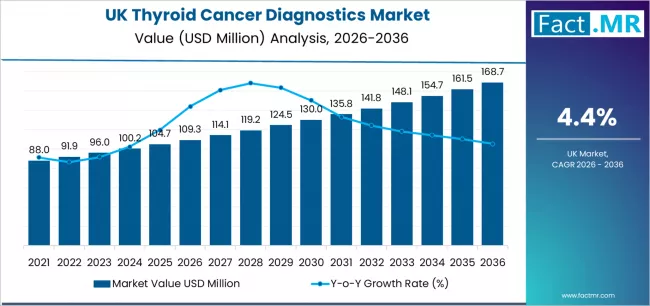
The demand for thyroid cancer diagnostics in the United Kingdom is witnessing steady growth as awareness about early detection and personalized healthcare continues to rise. Thyroid cancer, a malignancy affecting the thyroid gland, can often progress silently, making timely and accurate diagnostic interventions critical. Increasing emphasis on preventive healthcare, routine screening programs, and advanced imaging technologies has led to higher adoption of thyroid cancer diagnostic tools across hospitals, clinics, and specialty laboratories.
Market Overview
Thyroid cancer diagnostics encompass a wide range of techniques and tools used to detect and monitor malignancies in the thyroid gland. These include imaging modalities such as ultrasound, fine-needle aspiration biopsies (FNAB), molecular testing, and other laboratory-based diagnostic assays. The UK healthcare ecosystem relies on these technologies to support accurate diagnosis, guide treatment decisions, and improve patient outcomes.
Advancements in molecular diagnostics, high-resolution imaging, and AI-assisted interpretation have significantly enhanced the efficiency and precision of thyroid cancer detection. These innovations are particularly important for distinguishing benign nodules from malignant tumors, enabling clinicians to make informed treatment decisions while reducing unnecessary interventions.
Consumer Preferences and Demand Drivers
One of the primary drivers of demand for thyroid cancer diagnostics in the UK is the growing focus on early detection and preventive healthcare. Healthcare providers are increasingly adopting screening protocols for at-risk populations, including individuals with family histories of thyroid disease or exposure to radiation.
Patients are also more proactive about regular health check-ups and diagnostic testing, reflecting broader trends in health awareness. The rise of personalized medicine has further emphasized the need for advanced diagnostic tools that can provide detailed molecular insights and support targeted treatment strategies.
Additionally, the increasing prevalence of thyroid disorders and incidental detection of nodules during routine imaging have contributed to a surge in demand for accurate and minimally invasive diagnostic solutions.
Regional Insights
Demand for thyroid cancer diagnostics is concentrated in urban centers and regions with advanced healthcare infrastructure, including London, Manchester, Birmingham, and Edinburgh. These areas host specialized oncology centers, tertiary care hospitals, and private clinics offering comprehensive diagnostic services.
The presence of well-established healthcare networks, diagnostic laboratories, and skilled professionals enhances access to cutting-edge thyroid cancer diagnostics. Telemedicine and digital health initiatives have also started playing a role, enabling remote consultations and preliminary assessments that guide further diagnostic procedures.
Key Trends Shaping the Market
Technological Advancements:
High-resolution ultrasound, elastography, molecular testing, and AI-assisted imaging are transforming thyroid cancer diagnostics. These technologies improve detection accuracy, reduce false positives, and support early intervention strategies.
Minimally Invasive Diagnostics:
Procedures such as fine-needle aspiration biopsy (FNAB) have become standard for assessing thyroid nodules. Minimally invasive techniques reduce patient discomfort while providing precise diagnostic information.
Integration of Molecular Testing:
Molecular assays and genetic profiling are increasingly used to differentiate between benign and malignant nodules, helping clinicians tailor treatment plans more effectively.
Preventive Healthcare Focus:
National health initiatives and public awareness campaigns encourage routine screenings and early diagnosis, boosting demand for advanced diagnostic tools.
Personalized and Patient-Centric Care:
Diagnostic solutions are being designed to provide insights tailored to individual patients, supporting precision medicine approaches and improving treatment outcomes.
Applications and End-Use Outlook
Thyroid cancer diagnostics are widely utilized in hospitals, specialized oncology centers, and private clinics across the UK. Clinicians rely on imaging, biopsy, and molecular testing to guide surgical decisions, monitor treatment efficacy, and track disease progression.
The role of diagnostic laboratories is also critical, as they process samples, perform genetic testing, and provide detailed reports to healthcare providers. Additionally, telemedicine services and remote monitoring platforms are starting to integrate diagnostic insights, enabling more comprehensive patient care.
Early and accurate diagnosis not only supports effective treatment but also reduces healthcare costs by preventing overtreatment and unnecessary procedures. This makes thyroid cancer diagnostics an essential component of both public and private healthcare systems.
Distribution Channels
Thyroid cancer diagnostic tools in the UK are distributed through hospitals, diagnostic laboratories, medical device suppliers, and specialized oncology centers. Partnerships between manufacturers and healthcare providers ensure access to advanced diagnostic equipment and testing kits.
The rise of digital health solutions has enhanced access to diagnostic services through online platforms and teleconsultation, particularly in regions with limited specialist availability. After-sales support, training, and maintenance services are also important for ensuring reliable operation of advanced diagnostic devices.
Competitive Landscape
The UK thyroid cancer diagnostics market features global medical technology companies, regional manufacturers, and specialized laboratories. Competition is driven by technological innovation, accuracy, ease of use, and regulatory compliance.
Companies are increasingly focusing on research and development to enhance diagnostic precision, reduce procedural invasiveness, and integrate AI-driven analytics. Strategic collaborations with healthcare institutions, research organizations, and biotech firms further strengthen market positioning.
Conclusion
The demand for thyroid cancer diagnostics in the UK reflects the growing importance of early detection, patient-centric care, and technological innovation in healthcare. With ongoing advancements in imaging, molecular testing, and minimally invasive techniques, diagnostic solutions are enabling more accurate assessments and better treatment outcomes. Healthcare providers, laboratories, and technology developers that focus on precision, accessibility, and patient education are well-positioned to contribute to the evolving thyroid cancer diagnostics landscape in the United Kingdom.
Browse Full Report – https://www.factmr.com/report/united-kingdom-thyroid-cancer-diagnostics-market