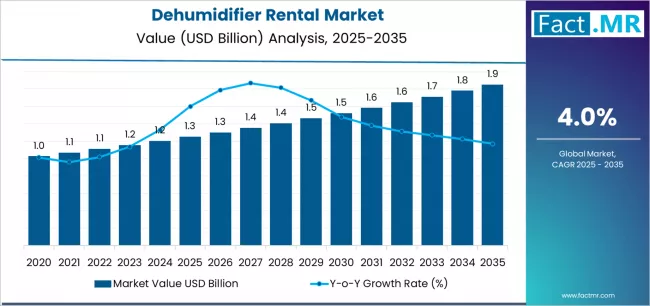
The dehumidifier rental market is expanding steadily as industries and commercial facilities increasingly recognize the importance of humidity control in maintaining operational efficiency and protecting valuable assets. Excess moisture can lead to structural damage, equipment malfunction, mold growth, and compromised product quality. As a result, businesses are turning to dehumidifiers to create stable indoor environments, particularly in settings where climate conditions directly influence performance.
Renting dehumidifiers has emerged as a practical alternative to purchasing equipment, especially for temporary needs such as construction projects, emergency restoration, seasonal humidity spikes, and large-scale events. The rental model offers flexibility, rapid deployment, and access to high-capacity units without the burden of long-term ownership.
Market Overview
Dehumidifiers are designed to remove excess moisture from the air, improving indoor air quality and preventing humidity-related damage. These systems are widely used across construction sites, warehouses, manufacturing plants, healthcare facilities, data centers, and hospitality environments.
The rental segment is gaining popularity because it allows organizations to scale equipment usage based on immediate requirements. Whether addressing water damage after flooding, supporting drying processes in construction, or maintaining controlled humidity for sensitive materials, rental services provide a cost-effective solution.
Rental providers typically offer a range of equipment—from portable units suitable for small spaces to industrial-grade systems capable of managing large facilities. This variety enables customers to select solutions tailored to specific operational needs while ensuring energy efficiency and reliable performance.
Key Market Drivers
Growing Construction Activity
Construction projects often generate significant moisture during processes such as concrete curing, painting, and plastering. Effective humidity control accelerates drying times and helps prevent structural issues, making dehumidifiers essential equipment on job sites.
Rising Awareness of Indoor Air Quality
Organizations are increasingly prioritizing healthier indoor environments for employees and occupants. Proper humidity levels reduce allergens, mold formation, and airborne contaminants, supporting safer and more comfortable spaces.
Increase in Disaster Recovery Needs
Flooding, storms, and water leaks can severely damage buildings if moisture is not addressed quickly. Dehumidifier rentals enable rapid response during restoration efforts, helping property owners minimize losses and resume operations faster.
Cost Efficiency and Operational Flexibility
Purchasing industrial dehumidification equipment can be expensive, particularly for businesses that only require it periodically. Rentals eliminate maintenance concerns and storage challenges while ensuring access to modern technology when needed.
Technological Advancements
Innovations in dehumidification technology have improved energy efficiency, moisture extraction rates, and user controls. Many modern units feature automated monitoring and smart controls, making them easier to operate and more effective in diverse environments.
Regional Insights
North America
Demand for dehumidifier rentals remains strong due to variable weather conditions and a well-established construction sector. The region also experiences frequent weather-related incidents that require fast and reliable moisture control solutions.
Europe
Strict building standards and a growing focus on sustainability are driving adoption across commercial and industrial sectors. Businesses are increasingly using energy-efficient equipment to maintain compliance while optimizing operational performance.
Asia-Pacific
Rapid urbanization, expanding industrial activity, and humid climatic conditions are contributing to rising demand in the region. Construction growth and increasing awareness of moisture management are encouraging companies to adopt rental solutions.
Emerging Markets
Developing economies are gradually recognizing the benefits of humidity control in protecting infrastructure and inventory. As awareness grows, rental services are becoming more accessible, enabling businesses to enhance productivity and reduce risk.
Segmentation Dynamics
By Product Type
Refrigerant dehumidifiers are widely used due to their effectiveness in moderate temperature conditions and their suitability for commercial applications. Desiccant dehumidifiers, on the other hand, perform exceptionally well in low-temperature environments and industries requiring very low humidity levels, such as pharmaceuticals and electronics manufacturing.
By Capacity
Portable units cater to smaller spaces and short-term needs, while industrial systems are designed for large facilities requiring continuous moisture control. High-capacity equipment is particularly valuable in warehouses and manufacturing plants where humidity fluctuations can affect product quality.
By Application
Construction and restoration projects represent major application areas, as moisture management is critical to maintaining structural integrity. Industrial facilities also rely on dehumidifiers to protect machinery and ensure consistent production conditions. Additionally, event organizers and commercial property managers use these systems to maintain comfort for occupants.
By End Users
Primary users include construction companies, facility managers, manufacturing firms, and restoration specialists. These stakeholders benefit from the flexibility of rental agreements that align with project timelines and operational demands.
Challenges in the Market
Energy Consumption Concerns
Industrial dehumidifiers can consume substantial energy, prompting organizations to seek more efficient models. Rental providers must continually upgrade their fleets to meet evolving efficiency expectations.
Equipment Availability During Peak Demand
Periods of extreme weather or large-scale disasters can cause sudden spikes in demand, potentially straining rental inventories.
Operational Knowledge Requirements
Selecting the appropriate equipment and configuring it correctly is essential for optimal performance. Customers may require technical guidance to ensure effective humidity control.
Future Outlook
The future of the dehumidifier rental market appears promising as industries increasingly prioritize environmental control and risk mitigation. Climate variability, expanding infrastructure, and heightened awareness of indoor air quality are expected to sustain demand.
Digital transformation is also influencing the rental ecosystem. Advanced monitoring systems, remote diagnostics, and predictive maintenance technologies are improving equipment reliability while enhancing customer convenience.
Moreover, the shift toward energy-efficient and environmentally responsible solutions is likely to drive innovation in dehumidification technology. Rental providers that invest in modern equipment and responsive service models will be well positioned to capture emerging opportunities.
Conclusion
The dehumidifier rental market plays a crucial role in helping organizations manage moisture-related challenges while maintaining operational continuity. By offering flexible access to advanced equipment, rental services enable businesses to respond quickly to changing environmental conditions without significant financial commitments.
As industries continue to emphasize safety, efficiency, and sustainability, dehumidifier rentals are expected to remain an essential component of climate control strategies. Companies that embrace innovation and prioritize customer support will stand to benefit from the market’s ongoing growth.
Browse Full Report – https://www.factmr.com/report/dehumidifier-rental-market