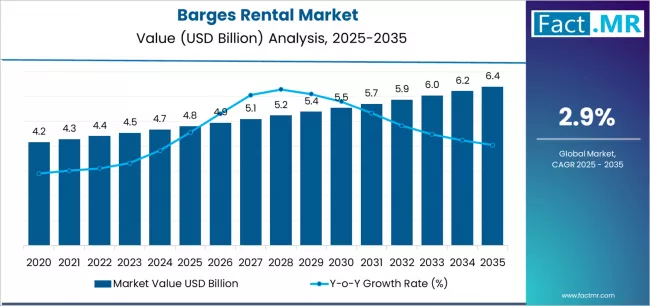
The barges rental market is becoming increasingly important in the global transportation and logistics ecosystem as industries seek flexible and cost-effective solutions for moving heavy cargo across waterways. Barges — flat-bottomed vessels designed to transport bulk goods — are widely used in sectors such as construction, oil and gas, mining, and infrastructure development. Renting barges allows companies to access specialized marine equipment without the financial burden of ownership, making it an attractive option for both short-term projects and long-term operations.
With international trade expanding and governments investing in port modernization and inland water transport, the demand for barge rental services continues to grow. Businesses are recognizing the advantages of waterborne transportation, including high cargo capacity, fuel efficiency, and reduced environmental impact compared to road transport.
Market Overview
The barges rental market provides organizations with temporary access to a variety of vessels tailored to specific cargo and operational requirements. These typically include deck barges, hopper barges, tank barges, and crane barges, each designed to handle different types of materials such as construction equipment, bulk commodities, liquid cargo, and oversized machinery.
Rental services offer significant operational flexibility. Companies can scale their fleets based on project scope, avoid maintenance responsibilities, and eliminate long-term storage concerns. Additionally, rental providers often manage inspections, compliance, and technical support, ensuring vessels meet safety and regulatory standards.
This model is particularly beneficial for industries that experience fluctuating transportation needs or operate in remote locations where building permanent logistics infrastructure may not be feasible.
Growth Drivers Shaping the Market
Several factors are contributing to the steady expansion of the barges rental market.
Expansion of Infrastructure Projects
Large-scale infrastructure developments, including bridges, offshore installations, ports, and coastal protection systems, rely heavily on barges for transporting materials and heavy equipment. Rental solutions enable contractors to secure the right vessels for specific project phases without committing to permanent ownership.
Rising Demand in Oil and Gas Operations
The oil and gas sector frequently requires barges for transporting drilling equipment, fuel, and construction materials to offshore platforms. In challenging marine environments, barges provide a stable and efficient logistics solution. Renting allows energy companies to adjust capacity according to exploration and production cycles.
Growth in Inland Water Transportation
Governments worldwide are promoting inland waterways as a sustainable alternative to congested road and rail networks. Barges can carry large volumes of cargo with lower emissions, supporting broader environmental goals. As water transport gains popularity, rental services are becoming a practical entry point for businesses looking to leverage this mode of logistics.
Cost Efficiency and Reduced Capital Risk
Purchasing and maintaining marine vessels requires significant investment. Rental models reduce financial exposure while providing access to modern fleets equipped with advanced navigation and safety technologies. This approach is especially appealing for small and mid-sized enterprises seeking operational efficiency.
Support for Mining and Bulk Commodity Transport
Mining operations often depend on barges to move raw materials such as coal, iron ore, and aggregates. Water transport offers reliability and scalability, particularly when handling large quantities. Rental providers help mining companies respond quickly to production demands without expanding their permanent fleets.
Key Trends and Technological Advancements
The barges rental market is evolving alongside technological innovation and changing industry expectations.
Modernization of Rental Fleets
Rental companies are increasingly investing in newer vessels designed for improved durability, fuel efficiency, and safety. Enhanced vessel design allows operators to optimize cargo handling while minimizing operational risks.
Digital Fleet Management
The adoption of digital tools for tracking vessel performance, route optimization, and maintenance scheduling is transforming marine logistics. These technologies help rental providers improve service reliability and enable customers to plan shipments more effectively.
Growing Focus on Sustainability
Environmental considerations are shaping the maritime industry. Businesses are seeking transportation solutions that align with sustainability goals, and barges — known for their lower carbon footprint compared to trucks — are gaining traction. Rental providers are responding by incorporating environmentally responsible practices into their operations.
Integrated Service Offerings
Customers increasingly prefer rental partners that deliver comprehensive solutions, including crew support, logistics coordination, and technical expertise. By offering end-to-end services, providers simplify complex marine operations and enhance overall project efficiency.
Regional Insights
Regional developments play a crucial role in shaping opportunities within the barges rental market.
North America
The region benefits from extensive inland waterway networks that support bulk cargo transport. Continued investment in infrastructure maintenance and energy projects sustains demand for rental barges.
Europe
Well-established river transport systems and strong environmental policies encourage the use of barges as an efficient logistics option. The region’s emphasis on sustainable transportation further supports market growth.
Asia-Pacific
Rapid industrialization, expanding trade routes, and increasing port development are driving demand for marine transportation solutions. Countries across the region are investing in waterways to strengthen supply chains and support economic growth.
Middle East and Africa
Energy projects and coastal infrastructure developments are creating new opportunities for barge rental services. As maritime activities expand, rental models are gaining attention for their flexibility.
Latin America
Growing mining operations and agricultural exports are contributing to the need for dependable cargo transport. Barges offer an effective solution for navigating river systems and reaching key export hubs.
Competitive Landscape
The barges rental market features a mix of established marine service providers and regional operators competing on fleet diversity, service quality, and operational reliability. Companies with well-maintained vessels and strong safety records are better positioned to secure long-term contracts.
Strategic initiatives such as fleet expansion, partnerships with logistics firms, and investments in advanced vessel technologies are shaping the competitive environment. Providers that emphasize customer support and adaptable rental terms often stand out in a market where project requirements can change rapidly.
Conclusion
The barges rental market has become an essential pillar of modern marine logistics, supporting industries that depend on efficient and scalable transportation solutions. By offering access to specialized vessels without the complexities of ownership, rental services enable organizations to manage costs while maintaining operational agility.
As global trade expands, infrastructure projects accelerate, and sustainability becomes a central priority, the role of barges in cargo transportation is expected to strengthen. Rental providers that focus on technological innovation, safety, and customer-centric services will be well positioned to capitalize on emerging opportunities and help shape the future of waterborne logistics.
Browse Full Report: https://www.factmr.com/report/barges-rental-market