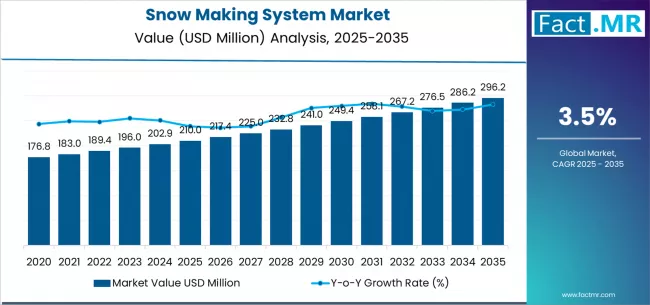
Winter tourism and recreational sports have grown significantly over the last decade, driving the demand for reliable snow conditions across ski resorts and entertainment facilities. The Snow Making System Market has emerged as an essential segment supporting this demand by enabling artificial snow production when natural snowfall is insufficient. These systems help maintain consistent snow coverage, extend ski seasons, and ensure an uninterrupted experience for tourists and sports enthusiasts. With climate variability affecting natural snowfall patterns in many regions, resorts and recreational operators increasingly rely on advanced snow-making technologies to maintain operational reliability and attract visitors throughout the winter season.
Market Overview
Snow making systems are specialized technologies designed to produce artificial snow using a combination of water, compressed air, and cooling mechanisms. These systems are widely used across ski resorts, indoor snow parks, and winter entertainment venues to create consistent snow conditions. The market is witnessing steady expansion as winter tourism infrastructure develops worldwide and recreational facilities invest in improved snow production capabilities.
Modern snow-making equipment typically includes snow guns, fan-based snow machines, pumping stations, pipelines, reservoirs, and automated control systems. These components work together to transform water into snow particles under suitable weather conditions. The technology allows resort operators to control snow quality, density, and distribution across ski slopes and recreational areas. By ensuring reliable snow coverage, snow making systems support tourism revenue, enhance visitor satisfaction, and reduce the risks associated with unpredictable weather patterns.
Regional Insights
The adoption of snow making systems varies across regions depending on climate conditions, tourism development, and winter sports infrastructure. Europe represents one of the most mature markets due to its extensive alpine tourism industry and well-established ski resorts. Countries with large mountain tourism sectors invest heavily in advanced snow production systems to maintain their global reputation as winter sports destinations.
North America also demonstrates strong demand, supported by the presence of well-known ski destinations and ongoing resort modernization initiatives. Resort operators in this region increasingly integrate automated snow making systems with weather monitoring tools to improve operational efficiency and snow quality.
Meanwhile, the Asia-Pacific region is emerging as a rapidly developing market. Governments and private investors are expanding winter sports infrastructure and tourism projects, particularly in mountainous areas. As winter sports gain popularity in the region, resorts are adopting artificial snow production technologies to ensure reliable snow coverage and enhance visitor experiences.
Key Trends & Forecast
Several technological and industry trends are shaping the future of the snow making system market.
- Growth in Winter Tourism Infrastructure
The expansion of ski resorts, recreational facilities, and winter sports events has increased the need for reliable snow production systems. Resorts are investing in advanced snow making technologies to extend ski seasons and maintain consistent slope conditions. - Increasing Adoption of Fan-Based Systems
Fan-based snow machines have become a preferred solution for many resorts due to their efficiency, wide snow coverage, and ability to operate in varying weather conditions. These systems are widely used in large-scale ski resorts and recreational parks where efficient snow production is essential. - Automation and Smart Monitoring Technologies
Manufacturers are integrating digital monitoring systems, automated controls, and weather sensors into snow making equipment. These technologies help operators optimize snow production by adjusting water flow, air pressure, and temperature settings in real time. Such innovations reduce energy consumption and improve operational efficiency. - Focus on Energy Efficiency and Sustainability
Environmental concerns related to water usage and energy consumption have encouraged manufacturers to develop energy-efficient snow production technologies. Modern systems focus on reducing operational costs while meeting sustainability standards and environmental regulations.
Applications & End-Use Outlook
Snow making systems serve a variety of applications within the winter recreation and tourism industry. The most significant application is in ski resorts, where artificial snow is used to maintain ski slopes and ensure reliable conditions for visitors throughout the winter season. These systems allow resorts to operate even when natural snowfall levels are inconsistent or delayed.
Indoor snow parks and entertainment centers represent another growing application area. These facilities create year-round winter experiences by producing artificial snow within controlled environments. Such venues are particularly popular in regions with limited natural snowfall but strong demand for winter sports activities.
Snow making systems are also used for winter events, festivals, and promotional activities. Event organizers rely on artificial snow technologies to create winter-themed experiences in locations where natural snow is unavailable. This expands the potential applications of snow making technology beyond traditional mountain resorts.
Competitive Landscape
The snow making system market includes several global and regional manufacturers specializing in advanced snow production technologies. Leading companies focus on innovation, product reliability, and energy efficiency to strengthen their competitive positions. Many manufacturers offer complete snow production solutions that include snow guns, pumping systems, pipelines, and automated monitoring platforms.
Competition in the market often centers on technological advancements, system reliability, and long-term service support for resort operators. Partnerships between equipment manufacturers and ski resorts are also common, as resorts require customized solutions tailored to terrain conditions and climate requirements.
Conclusion
The Snow Making System Market plays a critical role in supporting winter tourism and recreational sports worldwide. As climate variability affects natural snowfall patterns, artificial snow production has become essential for maintaining reliable ski conditions and extending tourism seasons. Continuous technological advancements, automation, and sustainability initiatives are further enhancing the efficiency of snow making systems.
With growing investments in winter sports infrastructure, indoor entertainment facilities, and tourism development projects, the demand for advanced snow production technologies is expected to continue rising. Organizations seeking to understand emerging opportunities in this industry can benefit from detailed market insights and research reports that analyze technological developments, regional trends, and future growth potential.
Browse Full Report – https://www.factmr.com/report/snow-making-system-market