Plasmapheresis is a critical blood purification procedure widely used in the treatment of autoimmune, neurological, hematological, and metabolic disorders. By selectively removing plasma components that contribute to disease progression, plasmapheresis plays an essential role in managing both acute and chronic conditions. As the global burden of immune-mediated and complex diseases continues to rise, the plasmapheresis market is gaining increased attention from healthcare providers and medical technology developers.
Advancements in medical devices, improved clinical protocols, and expanding therapeutic indications are driving broader adoption of plasmapheresis procedures. The growing emphasis on targeted therapies and personalized medicine further underscores the importance of plasmapheresis as a supportive and life-saving treatment option across diverse clinical settings.
Market Overview
The plasmapheresis market comprises specialized equipment, disposable kits, filtration systems, and supporting technologies used to perform plasma exchange and plasma separation procedures. These systems are designed to safely extract plasma from whole blood, remove pathological substances, and return cellular components to the patient.
Healthcare institutions are increasingly adopting automated and semi-automated plasmapheresis systems to improve procedural efficiency and patient safety. Continuous innovation in device design, membrane technology, and anticoagulation management is enhancing treatment precision while reducing procedural risks. As clinical experience and awareness expand, plasmapheresis is being integrated into multidisciplinary treatment approaches across multiple medical specialties.
Key Market Drivers
One of the primary drivers of the plasmapheresis market is the rising prevalence of autoimmune and neurological disorders that require plasma exchange as part of disease management. Conditions that involve abnormal immune responses or circulating pathogenic substances often benefit from plasmapheresis, making it an essential therapeutic option.
Advances in diagnostic capabilities are enabling earlier identification of diseases that respond well to plasmapheresis, increasing procedural demand. Additionally, growing acceptance of plasmapheresis as an adjunct therapy alongside pharmacological treatments is supporting market expansion.
Improved access to healthcare services and the expansion of specialized treatment centers are further contributing to market growth. Training programs for clinicians and technicians are enhancing procedural adoption, while improvements in reimbursement policies in some regions are encouraging healthcare providers to invest in advanced plasmapheresis systems.
Regional Insights
Developed healthcare markets remain at the forefront of plasmapheresis adoption due to strong clinical infrastructure, availability of advanced medical devices, and high awareness of therapeutic apheresis procedures. These regions benefit from established treatment guidelines and widespread access to specialized care facilities.
Emerging economies are witnessing steady growth in the plasmapheresis market as healthcare systems evolve and investment in advanced medical technologies increases. Rising awareness of autoimmune and chronic diseases, along with improvements in hospital infrastructure, is expanding access to plasmapheresis procedures. As physician training and patient education improve, these regions are expected to play an increasingly important role in the global market landscape.
Key Trends and Forecast
A key trend shaping the plasmapheresis market is the growing adoption of automated systems that enhance procedural efficiency and reduce operator dependency. These systems support consistent treatment outcomes and improved patient comfort, making them attractive to hospitals and specialty clinics.
Another notable trend is the increasing use of disposable and single-use components to minimize infection risks and improve compliance with strict safety standards. Innovations in filtration membranes and plasma separation technologies are also improving treatment selectivity and effectiveness.
Research efforts are expanding the potential applications of plasmapheresis, particularly in emerging therapeutic areas. As clinical evidence continues to evolve, the procedure is being explored for broader use in inflammatory, metabolic, and immune-related conditions. These developments are expected to support sustained market growth over the long term.
Applications and End-Use Outlook
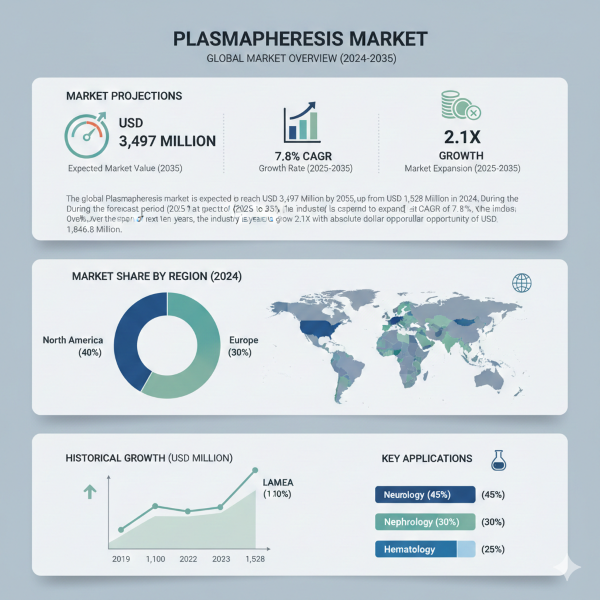
Plasmapheresis is widely utilized in hospitals, specialty clinics, and blood centers, with hospitals accounting for a significant share of procedures due to the complexity of cases handled. Intensive care units and neurology departments are key end users, particularly for acute and severe conditions.
Outpatient clinics are increasingly adopting plasmapheresis as treatment protocols become more streamlined and patient monitoring technologies improve. This shift toward outpatient care supports reduced hospital stays and enhanced patient convenience. Blood centers also play a role in plasma collection and therapeutic applications, further broadening the market’s end-use scope.
Competitive Landscape
The plasmapheresis market features a combination of established medical device manufacturers and specialized healthcare technology providers. Companies are focusing on product innovation, system reliability, and ease of use to differentiate their offerings.
Strategic collaborations between device manufacturers, healthcare providers, and research institutions are supporting technology advancement and clinical validation. Continuous investment in research and development remains critical for improving treatment outcomes and expanding therapeutic applications.
Conclusion
The plasmapheresis market continues to evolve as healthcare systems seek effective, targeted therapies for complex and immune-mediated diseases. Advances in technology, expanding clinical applications, and improved access to care are strengthening the role of plasmapheresis in modern medicine. As awareness and clinical evidence grow, the market is well-positioned to support improved patient outcomes across a wide range of therapeutic areas. Access to comprehensive market insights and strategic analysis remains essential for stakeholders navigating this specialized and rapidly advancing healthcare segment.
Browse Full Report – https://www.factmr.com/report/351/plasmapheresis-market