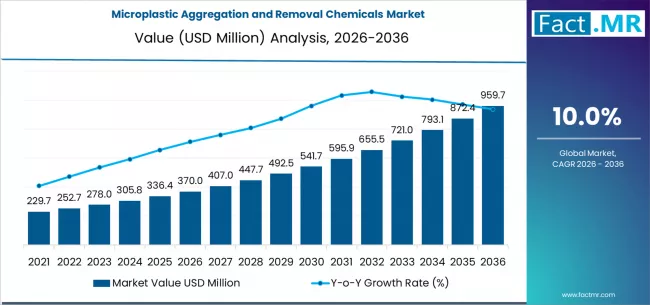
Microplastic pollution has emerged as one of the most pressing environmental issues of modern times. These tiny plastic particles, originating from the breakdown of larger plastics and from industrial and consumer products, are increasingly detected in water bodies, soil, and even drinking water systems. Their persistence and potential impact on ecosystems and human health have prompted governments, industries, and researchers to seek effective mitigation strategies. In this context, the microplastic aggregation and removal chemicals market is gaining prominence by offering solutions that help capture, aggregate, and remove microplastics from various environments.
Market Overview
Microplastic aggregation and removal chemicals are designed to facilitate the separation of microplastics from water and wastewater streams. These chemicals work by binding or aggregating fine plastic particles into larger clusters, making them easier to remove through filtration, sedimentation, or flotation processes. They are increasingly being integrated into existing water treatment and remediation systems to enhance microplastic removal efficiency.
The market is driven by growing awareness of microplastic contamination and the limitations of conventional filtration technologies. Traditional treatment systems often struggle to capture very small plastic particles, creating demand for chemical solutions that improve separation efficiency. As a result, aggregation and removal chemicals are becoming a key component of advanced water treatment strategies.
Key Drivers Influencing Market Growth
One of the main drivers of this market is increasing regulatory and public pressure to address plastic pollution. Governments and environmental agencies are introducing stricter guidelines for water quality and pollutant discharge, pushing utilities and industries to adopt advanced treatment solutions. Microplastic aggregation chemicals help organizations meet these evolving environmental expectations.
Rising concerns about the presence of microplastics in drinking water and food chains are also fueling demand. Scientific studies highlighting the potential ecological and health impacts of microplastics have increased interest in preventive and corrective measures. This has encouraged investments in treatment technologies that include chemical aggregation solutions.
Industrial wastewater treatment requirements further contribute to market growth. Industries such as textiles, plastics manufacturing, cosmetics, and packaging are recognized sources of microplastic pollution. The adoption of aggregation and removal chemicals allows these industries to reduce microplastic discharge and improve environmental compliance.
Technology Trends and Product Innovation
Innovation is a central theme in the microplastic aggregation and removal chemicals market. Manufacturers are developing specialized formulations that selectively target plastic particles without adversely affecting water chemistry. These formulations are designed to be effective across a wide range of microplastic sizes and polymer types.
Another important trend is the development of biodegradable and environmentally friendly aggregation agents. Sustainability considerations are influencing product development, with a focus on minimizing secondary pollution and ensuring safe degradation after use.
Research is also focused on improving compatibility with existing treatment infrastructure. Modern aggregation chemicals are designed to integrate seamlessly with conventional treatment processes, reducing the need for extensive system modifications. This adaptability enhances their attractiveness for municipal and industrial users.
Regional Insights
The market shows strong potential across regions actively addressing water pollution and plastic waste management. North America is a significant market due to growing investments in advanced water treatment technologies and increasing environmental awareness. Research institutions and technology developers in the region are actively exploring innovative microplastic removal solutions.
Europe represents another key market, supported by stringent environmental regulations and strong commitments to reducing plastic pollution. European water utilities and industries are increasingly adopting advanced treatment methods, including chemical aggregation, to meet sustainability goals.
The Asia-Pacific region is emerging as an important growth area due to rapid urbanization, industrial expansion, and rising concerns about water quality. As governments in the region strengthen environmental regulations, demand for effective microplastic removal solutions is expected to grow.
Key Trends and Market Outlook
Several trends are shaping the future of the microplastic aggregation and removal chemicals market. One notable trend is the increasing use of integrated treatment approaches that combine physical, chemical, and biological methods. Chemical aggregation plays a crucial role in enhancing the effectiveness of these multi-stage systems.
Another key trend is growing collaboration between research institutions, chemical manufacturers, and water treatment providers. These partnerships support the development of innovative solutions and accelerate the commercialization of new technologies.
The market outlook is also influenced by increasing funding for environmental research and pollution control initiatives. As awareness of microplastic pollution continues to rise, long-term demand for aggregation and removal chemicals is expected to strengthen.
Applications and End-Use Outlook
Microplastic aggregation and removal chemicals are widely used in municipal water and wastewater treatment facilities, where they enhance the removal of fine plastic particles that escape conventional processes. These chemicals support efforts to improve drinking water quality and protect aquatic ecosystems.
Industrial wastewater treatment is another major application area. Industries generating microplastic waste use aggregation chemicals to reduce environmental impact and comply with discharge regulations. Environmental remediation projects also rely on these chemicals to clean contaminated water bodies and sediments.
Research and pilot-scale projects represent an emerging end-use segment, as institutions explore innovative ways to monitor and mitigate microplastic pollution across different environments.
Competitive Landscape
The competitive landscape of the microplastic aggregation and removal chemicals market is characterized by innovation and growing specialization. Market participants focus on developing high-performance, selective, and environmentally responsible formulations. Technical support, customization, and collaboration with treatment system providers are key competitive strategies.
Companies are also investing in testing, validation, and regulatory approvals to build confidence in their solutions and support wider adoption.
Conclusion
The microplastic aggregation and removal chemicals market is becoming an essential part of global efforts to address microplastic pollution. By improving the efficiency of microplastic capture and removal, these chemicals support cleaner water systems and healthier ecosystems.
As environmental awareness, regulatory pressure, and technological innovation continue to advance, the adoption of microplastic aggregation and removal chemicals is expected to grow. Access to detailed market insights, such as those provided by Fact.MR, can help stakeholders understand emerging trends, identify opportunities, and develop effective strategies in this evolving environmental solutions market.
Browse Full Report – https://www.factmr.com/report/microplastic-aggregation-and-removal-chemicals-market