The global market for Alcoholic Liver Diseases (ALD) treatment is poised for sustained expansion between 2026 and 2036, driven by rising alcohol consumption, improved disease awareness, and advancements in hepatology therapeutics. Alcoholic liver disease—which includes fatty liver, alcoholic hepatitis, fibrosis, and cirrhosis—remains one of the leading causes of chronic liver morbidity and mortality worldwide, creating an urgent and expanding demand for effective treatment solutions.
Market Overview and Growth Trajectory
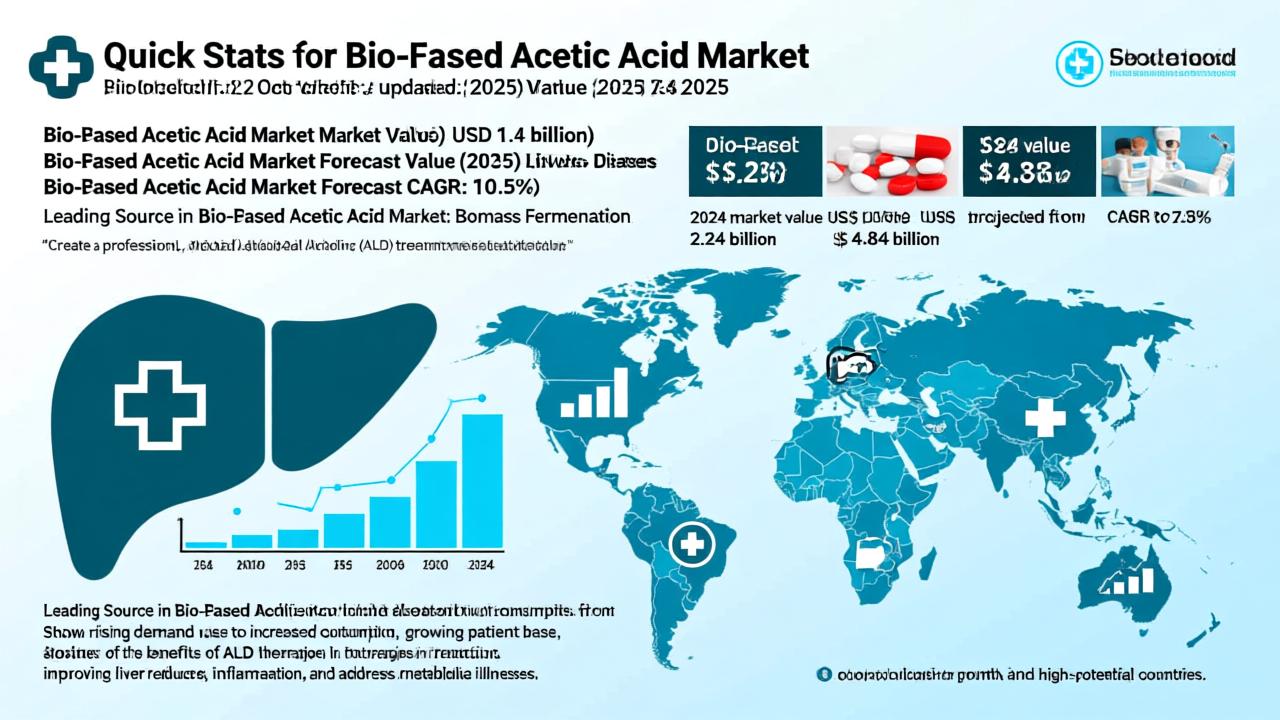
The global ALD treatment market is expected to grow at a compound annual growth rate (CAGR) of approximately 6–8% between 2026 and 2036, supported by demographic, behavioral, and healthcare system trends. Increasing prevalence of heavy alcohol use—particularly in emerging economies—combined with aging populations in developed regions is expanding the patient pool requiring long-term liver care.
By 2036, the market is projected to reach multi-billion-dollar valuation, with pharmaceuticals accounting for the largest revenue share, followed by hospital-based interventions and liver transplantation-related therapies. Growth is also being supported by earlier diagnosis rates, driven by wider availability of liver function testing, imaging technologies, and biomarker-based screening.
Key Demand Drivers
Alcohol consumption remains the primary risk factor shaping market demand. According to global health estimates, harmful alcohol use contributes to more than 3 million deaths annually, with liver disease accounting for a substantial proportion. The rising incidence of alcoholic hepatitis—often requiring hospitalization and pharmacological intervention—has significantly increased treatment volumes.
Additional demand-side drivers include:
-
Improved clinical awareness among physicians regarding early-stage ALD
-
Expansion of reimbursement coverage for chronic liver disease management in several regions
-
Pipeline innovation, particularly in anti-inflammatory, anti-fibrotic, and regenerative therapies
-
Lifestyle-related comorbidities, such as obesity and metabolic syndrome, which exacerbate liver damage and complicate treatment
Risk Assessment and Market Constraints
Despite positive growth indicators, the ALD treatment market faces notable risks. One of the most critical challenges is the limited availability of disease-modifying therapies, especially for advanced cirrhosis. Current treatment paradigms rely heavily on alcohol abstinence, corticosteroids, nutritional support, and symptomatic management, which limits therapeutic differentiation.
Key risk factors include:
-
High clinical trial failure rates for novel ALD drugs due to disease complexity and heterogeneous patient populations
-
Regulatory uncertainty, particularly around endpoints for alcoholic hepatitis and fibrosis reversal
-
Patient adherence risks, as continued alcohol consumption significantly reduces treatment efficacy
-
Stigma-related barriers, which delay diagnosis and reduce treatment uptake in certain populations
Additionally, liver transplantation—while effective for end-stage disease—remains constrained by donor shortages, high costs, and strict eligibility criteria, limiting its impact on overall market scalability.
Supply Chain Insights
The ALD treatment supply chain is moderately complex, involving pharmaceutical manufacturers, contract research organizations (CROs), active pharmaceutical ingredient (API) suppliers, hospitals, and specialty clinics. Between 2026 and 2036, supply chain resilience is expected to improve, but vulnerabilities remain.
Pharmaceutical production is concentrated among a limited number of global players, making the market sensitive to:
-
API sourcing disruptions, particularly for corticosteroids, immunomodulators, and supportive medications
-
Geopolitical and trade risks, which can affect raw material availability and pricing
-
Cold-chain and storage requirements for biologics and advanced therapies under development
However, increasing regional manufacturing capacity—especially in Asia-Pacific—is expected to reduce dependency on single-source suppliers. Digital supply chain management, predictive inventory systems, and strategic partnerships with local distributors are also improving treatment accessibility in underserved regions.
Regional Market Dynamics
-
North America remains the largest market, driven by high diagnosis rates, advanced healthcare infrastructure, and strong clinical research activity. The United States accounts for the majority of regional revenue due to high hospitalization rates for alcoholic hepatitis and established reimbursement systems.
-
Europe follows closely, with countries such as Germany, the UK, and France emphasizing early intervention and public health programs targeting alcohol misuse.
-
Asia-Pacific is expected to witness the fastest growth through 2036, supported by rising alcohol consumption, urbanization, and expanding healthcare access in China, India, and Southeast Asia.
-
Latin America and the Middle East & Africa represent emerging opportunities, although limited specialist access and lower awareness currently restrain market penetration.
Competitive and Innovation Landscape
The competitive environment is characterized by a mix of established pharmaceutical companies and emerging biotech firms. Market participants are increasingly investing in:
-
Anti-fibrotic agents targeting liver scarring
-
Gut-liver axis therapies, including microbiome-based approaches
-
Cell and regenerative therapies, aimed at restoring liver function
-
Combination regimens, addressing inflammation, fibrosis, and metabolic dysfunction simultaneously
Strategic collaborations, licensing agreements, and orphan drug designations are becoming more common as companies seek to accelerate development timelines and de-risk innovation.
Browse Full Report : https://www.factmr.com/report/1393/alcoholic-liver-diseases-treatment-market
Outlook 2026–2036
Over the next decade, the global alcoholic liver diseases treatment market is expected to transition from largely supportive care toward more targeted and personalized therapeutic strategies. While clinical and regulatory risks remain, advances in hepatology research, real-world evidence generation, and digital patient monitoring are expected to improve outcomes and expand commercial opportunities.
As healthcare systems increasingly recognize ALD as a preventable yet treatable chronic condition, sustained investment in treatment development, supply chain resilience, and early diagnosis infrastructure will be critical in shaping the market’s long-term trajectory.
About the Market
The Alcoholic Liver Diseases Treatment Market encompasses pharmacological therapies, nutritional and supportive care, hospital-based interventions, and advanced treatment modalities aimed at managing liver damage caused by chronic alcohol consumption across global healthcare systems.