The global flooring industry is evolving rapidly, driven by changing consumer preferences, urbanization, and advancements in construction technologies. Among the most popular innovations is the floating floor system, which has gained significant traction for its ease of installation, cost-effectiveness, and aesthetic appeal. Unlike traditional flooring methods, floating floors do not require nails or adhesives, making them an ideal solution for both residential and commercial spaces. As demand for efficient and stylish flooring solutions grows, the floating floor market is poised for steady expansion.
Market Overview:
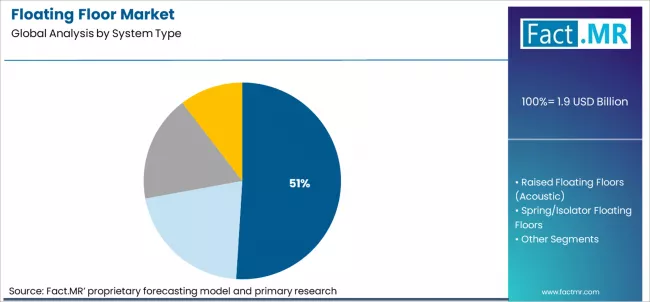
Floating floors are designed to “float” over the subfloor surface, with planks or tiles interlocking rather than being permanently fixed. This installation method not only reduces labor costs but also allows for quicker renovations and replacements. Materials commonly used in floating floors include laminate, engineered wood, luxury vinyl, and cork, each offering unique benefits in terms of durability, design, and comfort.
The market is being driven by the increasing demand for renovation and remodeling projects, particularly in urban areas where quick and efficient upgrades are essential. Homeowners and businesses alike are seeking flooring options that combine visual appeal with practicality. Floating floors meet these requirements by offering a wide range of designs that mimic natural materials such as hardwood and stone while maintaining affordability.
Technological advancements have further enhanced product quality, with improved resistance to moisture, scratches, and wear. These features make floating floors suitable for high-traffic areas, including offices, retail spaces, and hospitality environments. Additionally, the growing awareness of sustainable construction practices has encouraged manufacturers to develop eco-friendly flooring solutions using recyclable and low-emission materials.
Regional Insights:
The floating floor market demonstrates strong growth across multiple regions, each shaped by distinct economic and construction trends.
North America remains a mature market, supported by a high rate of home renovation and remodeling activities. Consumers in this region prioritize convenience and aesthetics, driving the adoption of floating floor systems in both residential and commercial settings. The presence of established manufacturers and a well-developed distribution network further supports market growth.
Europe follows closely, with a strong emphasis on sustainable building practices and energy-efficient construction. The region’s strict environmental regulations are encouraging the use of eco-friendly flooring materials, boosting the demand for advanced floating floor solutions. Additionally, the popularity of modern interior design trends is contributing to market expansion.
Asia-Pacific is emerging as a high-growth region due to rapid urbanization, increasing disposable incomes, and expanding construction activities. Countries such as China and India are witnessing a surge in residential and commercial development, creating significant opportunities for flooring manufacturers. The growing middle-class population in this region is also driving demand for stylish and affordable home improvement solutions.
Other regions, including Latin America and the Middle East & Africa, are gradually adopting floating floor systems as infrastructure development and urban expansion continue. While still developing, these markets offer long-term growth potential for industry players.
Key Trends & Forecast:
One of the most prominent trends in the floating floor market is the rising popularity of luxury vinyl flooring. Known for its durability, water resistance, and realistic designs, luxury vinyl has become a preferred choice for both residential and commercial applications. Its compatibility with floating installation methods further enhances its appeal.
Another significant trend is the integration of advanced locking systems that simplify installation and improve stability. These innovations enable users to install flooring without professional assistance, making floating floors an attractive option for do-it-yourself (DIY) projects.
Sustainability is also shaping the future of the market. Manufacturers are increasingly focusing on eco-friendly materials and production processes to meet regulatory requirements and consumer expectations. The use of recycled materials and low-VOC (volatile organic compound) finishes is gaining traction, contributing to healthier indoor environments.
Digitalization and e-commerce are transforming the way flooring products are marketed and sold. Online platforms allow consumers to explore a wide range of designs, compare options, and make informed purchasing decisions. Virtual visualization tools are also helping customers see how different flooring styles will look in their spaces, enhancing the overall buying experience.
Applications & End-Use Outlook:
Floating floors are widely used across various applications, reflecting their versatility and ease of use.
In the residential sector, they are commonly installed in living rooms, bedrooms, and kitchens due to their aesthetic appeal and comfort. Homeowners appreciate the ability to quickly upgrade interiors without extensive construction work. The availability of water-resistant options has also expanded their use in areas such as bathrooms and basements.
The commercial sector represents another key application area. Offices, retail stores, hotels, and restaurants are increasingly adopting floating floors to create modern and attractive interiors. The durability and low maintenance requirements of these floors make them suitable for high-traffic environments.
In the hospitality and healthcare sectors, floating floors offer additional benefits such as noise reduction and ease of cleaning. These features contribute to improved comfort and hygiene, which are critical in such settings.
Educational institutions and public infrastructure projects are also utilizing floating floor systems to achieve cost-effective and visually appealing flooring solutions. Their quick installation process minimizes downtime, making them ideal for large-scale projects.
Conclusion:
The floating floor market is steadily gaining momentum as consumers and businesses seek flooring solutions that combine style, functionality, and efficiency. With advancements in materials, design, and installation technologies, floating floors are becoming a preferred choice across a wide range of applications.
As urbanization and renovation activities continue to rise, the demand for flexible and cost-effective flooring options is expected to grow. While challenges such as competition and material costs persist, ongoing innovation and sustainability initiatives are likely to drive long-term market development.
For industry stakeholders, staying aligned with evolving consumer preferences and technological advancements will be key to capturing growth opportunities. Floating floors are not just a trend—they represent a significant shift in how modern spaces are designed and experienced.
Browse Full Report – https://www.factmr.com/report/floating-floor-market