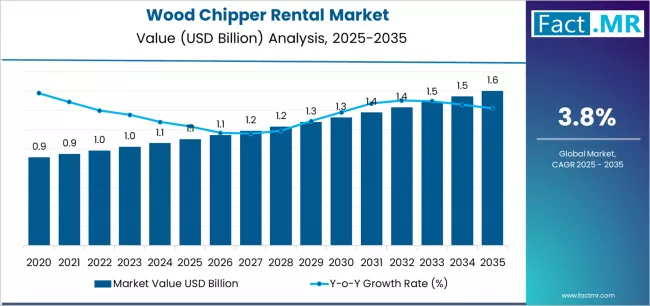
The wood chipper rental market is gaining strong momentum as industries increasingly prioritize efficiency, flexibility, and cost-effective access to advanced equipment. Wood chippers — machines designed to reduce branches, logs, and wood debris into manageable chips — have become essential tools in landscaping, forestry management, waste processing, and infrastructure development. As businesses shift toward rental models to manage fluctuating project demands and avoid large capital investments, the market is evolving into a significant segment within the broader equipment rental industry.
Market Overview
The wood chipper rental market provides contractors, municipalities, and commercial users with temporary access to specialized wood chipping machinery. This approach delivers major operational benefits, particularly for short-term or seasonal projects where purchasing heavy equipment may not be financially practical. Rental providers typically offer a wide range of machines, including drum and disc chippers, designed to handle varying workloads and site requirements.
One of the primary advantages of renting wood chippers is flexibility. Customers can select equipment based on project size, terrain conditions, and duration of use, ensuring optimal performance without unnecessary expenditure. Rental providers often enhance their offerings with maintenance support, technical assistance, and transportation services, making the process convenient and efficient for end users.
Growth Drivers Shaping the Market
Several factors are contributing to the expansion of the wood chipper rental market.
Expansion of Landscaping and Urban Development
As cities expand and green spaces become a priority in urban planning, landscaping activities are rising steadily. Municipal authorities, property developers, and facility managers rely on wood chippers for tree trimming, storm cleanup, land clearing, and park maintenance. Renting equipment allows these organizations to access powerful machinery only when needed, reducing idle time and operational costs.
Increasing Focus on Forestry Management
Sustainable forest management is gaining importance worldwide as governments and private organizations seek to balance environmental protection with commercial forestry operations. Wood chippers help convert fallen trees and brush into reusable materials such as mulch, compost, and biomass fuel. Rental solutions enable forestry operators to use advanced machinery without committing to long-term ownership.
Growing Emphasis on Waste Reduction and Recycling
Environmental awareness is encouraging industries to adopt practices that minimize waste and promote recycling. Wood debris generated from pruning, construction clearing, and natural disasters can be processed into useful byproducts rather than sent to landfills. Wood chippers support this circular approach, and rental services make the technology accessible to a broader range of users.
Cost Efficiency and Operational Agility
For many businesses, especially small and medium-sized enterprises, purchasing heavy equipment involves substantial upfront costs along with ongoing maintenance and storage expenses. Rental models eliminate these burdens while providing access to modern, well-maintained machines. This financial flexibility allows companies to scale operations quickly in response to project requirements.
Key Market Trends and Technological Innovation
The wood chipper rental market is evolving alongside advancements in equipment technology and changing industry expectations.
Adoption of Smart Equipment
Modern wood chippers increasingly incorporate telematics, remote monitoring, and predictive maintenance capabilities. These technologies improve performance, reduce downtime, and enhance safety by allowing operators to identify potential issues before they escalate. For rental providers, smart systems also enable better fleet management and utilization.
Shift Toward Sustainable Equipment
Environmental regulations and corporate sustainability goals are encouraging the use of machines designed to reduce emissions, noise levels, and fuel consumption. Rental companies are responding by upgrading fleets with eco-friendly models that align with stricter environmental standards while maintaining high productivity.
Seasonal and Project-Based Demand
Demand for wood chippers often follows seasonal landscaping cycles, forestry schedules, and post-storm cleanup activities. Rental companies that anticipate these patterns can strategically manage inventory to meet peak demand periods. This adaptability strengthens customer relationships and improves service reliability.
Preference for Turnkey Rental Solutions
Customers increasingly favor rental providers that offer comprehensive packages, including delivery, setup, operator guidance, and ongoing support. Such value-added services simplify project execution and allow businesses to focus on core operations rather than equipment management.
Regional Insights
Regional trends play a significant role in shaping the growth trajectory of the wood chipper rental market.
North America and Europe
These regions benefit from well-established equipment rental industries and strong demand for landscaping and forestry services. Strict environmental guidelines further encourage the use of specialized machinery, supporting consistent market activity.
Asia-Pacific
Rapid urbanization, infrastructure expansion, and government-led green initiatives are driving demand for flexible equipment solutions across the region. As commercial development accelerates, the need for efficient land clearing and vegetation management continues to grow.
Latin America, the Middle East, and Africa
These regions are witnessing gradual adoption of equipment rental models as infrastructure projects expand and awareness of cost-saving benefits increases. Growing investments in construction and natural resource management are expected to create new opportunities for market participants.
Competitive Landscape
The wood chipper rental market features a combination of global and regional providers competing on fleet quality, service reliability, and technological capabilities. Companies with diverse equipment portfolios and strong logistical networks are better positioned to meet varying customer needs.
A key differentiator in this market is the ability to provide value-added services such as operator training, preventative maintenance, and responsive customer support. Businesses that focus on delivering seamless rental experiences often build long-term partnerships and strengthen their market presence.
Strategic initiatives such as fleet modernization, partnerships with landscaping and forestry firms, and expansion into emerging markets are expected to remain central to competitive strategies.
Conclusion
The wood chipper rental market has become an essential enabler of efficient and sustainable operations across landscaping, forestry, and waste management sectors. By granting access to advanced machinery without the financial burden of ownership, rental services help organizations maintain productivity while controlling costs.
As urban development continues, environmental awareness rises, and industries seek more flexible equipment solutions, the demand for wood chipper rentals is expected to remain strong. Companies that emphasize innovation, sustainability, and customer-centric services will be well positioned to thrive in this evolving marketplace, supporting cleaner environments and more efficient project execution worldwide.
Browse Full Report: https://www.factmr.com/report/wood-chipper-rental-market