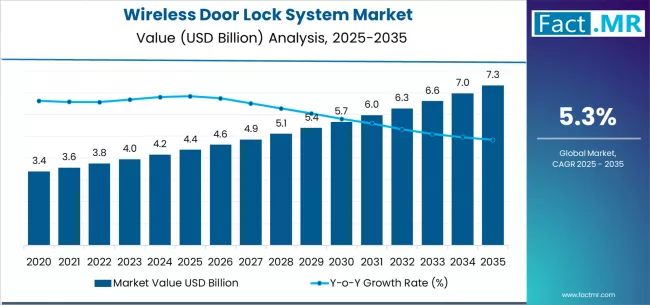
The wireless door lock system market is gaining significant attention as digital security and smart home technologies continue to evolve. Wireless door lock systems offer advanced access control solutions that eliminate the need for traditional keys and allow users to manage entry through smartphones, biometric authentication, or digital credentials. As concerns about safety, convenience, and automation grow, residential and commercial sectors are increasingly adopting wireless locking technologies. The integration of these systems with smart home ecosystems and security networks is further driving their popularity across the globe.
Market Overview:
Wireless door lock systems are electronic locking solutions that use wireless communication technologies to control door access. Unlike conventional mechanical locks, these systems enable remote operation, monitoring, and management through connected devices. They are commonly integrated with technologies such as Bluetooth, Wi-Fi, and other wireless protocols that allow seamless communication between the lock and user devices.
These systems are widely used in modern security infrastructures because they provide enhanced convenience, improved access control, and better monitoring capabilities. Users can lock or unlock doors remotely, assign temporary digital keys to visitors, and receive notifications about entry activities. Such features make wireless door locks an essential component of modern smart homes and digital building management systems.
The growing emphasis on smart home automation has significantly contributed to the expansion of this market. Homeowners and businesses are increasingly investing in advanced security solutions that can be integrated with other smart devices such as surveillance cameras, alarms, and lighting systems. As a result, wireless door lock systems are becoming a key part of connected living environments.
Regional Insights:
The adoption of wireless door lock systems varies across different regions depending on technological development, infrastructure modernization, and consumer awareness about digital security.
North America remains one of the leading regions for the adoption of wireless door lock technologies. The region has a strong presence of smart home technology providers and high consumer awareness regarding digital security solutions. The growing popularity of connected homes and integrated security systems is supporting the widespread use of wireless door locks.
Europe is another important market, driven by increasing investments in smart building technologies and strong security regulations. Many commercial facilities, hospitality establishments, and residential developments in the region are implementing wireless access control systems to enhance building security and operational efficiency.
The Asia-Pacific region is rapidly emerging as a significant market for wireless door lock systems. Rapid urbanization, expanding residential construction, and the growing adoption of smart home devices are creating new opportunities for security technology providers. Countries such as China, India, and South Korea are witnessing increased demand for advanced home automation solutions, which is encouraging the use of wireless door locking systems.
Meanwhile, regions such as the Middle East, Latin America, and Africa are gradually adopting wireless access control technologies as infrastructure modernization and digital transformation initiatives continue to progress.
Key Trends & Forecast:
Several technological developments and industry trends are shaping the future of the wireless door lock system market.
One of the most important trends is the integration of wireless door locks with smart home ecosystems. These systems can now connect with digital assistants, security cameras, and home automation platforms, allowing users to control multiple devices from a single interface. This integration enhances convenience and strengthens overall security management.
Another emerging trend is the growing adoption of biometric authentication. Modern wireless door locks are equipped with fingerprint recognition, facial recognition, and keypad entry options that improve security and reduce the risk of unauthorized access. These technologies are increasingly preferred in both residential and commercial environments.
The development of mobile-based access control is also gaining momentum. Smartphones are now widely used as digital keys, enabling users to unlock doors using dedicated mobile applications. This technology allows property owners to grant temporary access to guests, employees, or service providers without sharing physical keys.
Manufacturers are also focusing on improving the reliability and durability of wireless locking systems. Advanced encryption technologies, secure communication protocols, and tamper detection features are being incorporated to ensure stronger protection against cyber threats and unauthorized entry.
Another important trend is the development of interoperable smart lock standards and connectivity protocols. These innovations are helping wireless locks communicate effectively with multiple smart devices and platforms, improving compatibility and user experience in connected homes and buildings.
Applications & End-Use Outlook:
Wireless door lock systems are used across a wide range of industries and applications.
Residential Sector:
The residential sector represents one of the largest application areas for wireless door lock systems. Homeowners are increasingly adopting smart security devices to enhance safety and convenience. Wireless locks allow residents to control door access remotely, monitor entry activities, and integrate locks with other smart home devices.
Commercial Buildings:
Offices, corporate buildings, and coworking spaces use wireless door lock systems to manage employee access and improve workplace security. Digital access management allows administrators to assign different access levels to employees and monitor entry records efficiently.
Hospitality Industry:
Hotels and resorts are rapidly adopting wireless door lock technologies to enhance guest experiences. Digital key systems allow guests to unlock rooms using smartphones or key cards, reducing the need for traditional keys and improving operational efficiency.
Educational Institutions:
Universities, schools, and research facilities use wireless access control systems to secure classrooms, laboratories, and administrative areas. These systems help manage access permissions and track entry activities across large campuses.
Healthcare Facilities:
Hospitals and medical centers rely on wireless door lock systems to protect restricted areas such as laboratories, patient records rooms, and pharmaceutical storage spaces. Secure access control ensures safety and compliance with healthcare regulations.
Conclusion:
The wireless door lock system market is evolving rapidly as smart security technologies become an essential part of modern living and infrastructure. Growing demand for home automation, enhanced access control, and digital security solutions is driving the adoption of wireless locking systems across residential, commercial, and institutional sectors.
Technological advancements such as biometric authentication, smartphone-based access, and integrated smart home connectivity are transforming the way people manage security in homes and buildings. As awareness about digital security continues to grow and smart infrastructure expands globally, wireless door lock systems are expected to play a crucial role in shaping the future of secure and connected environments.
Organizations seeking to understand market opportunities, emerging technologies, and competitive developments can benefit from detailed market research insights that provide a comprehensive view of the evolving wireless door lock system market.
Browse Full Report – https://www.factmr.com/report/wireless-door-lock-system-market