The global transition toward clean and decentralized energy systems is reshaping the way households generate and consume electricity. In this evolving landscape, the Residential Energy Storage Market is emerging as a critical enabler of energy independence, resilience, and sustainability. As homeowners increasingly adopt rooftop solar systems and smart home technologies, the need for efficient energy storage solutions is becoming more prominent.
Residential energy storage systems allow households to store excess electricity generated from renewable sources and use it when needed, reducing reliance on conventional grids. Growing concerns over power outages, rising electricity tariffs, and environmental awareness are accelerating market growth worldwide.
Market Overview
Residential energy storage systems typically consist of battery units integrated with solar panels or grid connections. These systems store surplus electricity generated during peak production hours and release it during high demand periods or outages. Lithium-ion batteries dominate the market due to their high energy density, longer lifecycle, and declining costs, though alternative technologies such as lead-acid and flow batteries are also present.
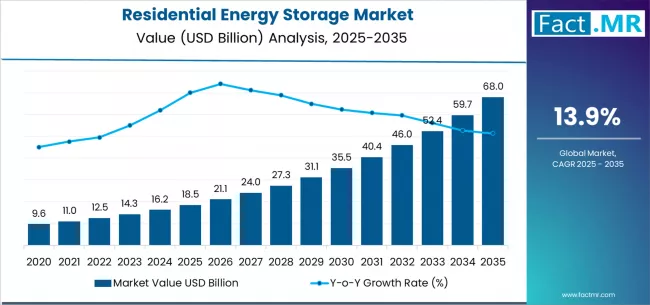
The Residential Energy Storage Market is witnessing steady expansion as renewable energy adoption increases globally. Government incentives supporting rooftop solar installations, coupled with favorable net metering policies, are encouraging homeowners to invest in integrated storage systems. Additionally, advancements in battery technology and energy management software are enhancing system efficiency and reliability.
Energy storage solutions are increasingly being designed with smart monitoring capabilities, enabling real-time tracking of energy usage, battery performance, and grid interaction. These innovations contribute to improved energy optimization and cost savings for consumers.
Key Drivers
- Rising Adoption of Rooftop Solar Systems
The growing installation of residential solar panels is a primary factor driving demand for energy storage. Storage systems help maximize the utilization of self-generated power, ensuring that excess electricity is not wasted. - Increasing Grid Instability and Power Outages
Frequent blackouts caused by extreme weather events and aging grid infrastructure are prompting homeowners to seek backup power solutions. Residential energy storage provides reliable electricity during grid disruptions, enhancing household resilience. - Growing Environmental Awareness
Consumers are becoming more conscious of their carbon footprint. Energy storage systems support clean energy consumption by facilitating greater use of renewable sources and reducing dependency on fossil fuel-based electricity. - Technological Advancements
Improvements in battery chemistry, energy management systems, and smart inverters are making storage solutions more efficient and accessible. Declining battery costs and enhanced safety standards further boost adoption. - Government Policies and Incentives
Supportive regulations, tax credits, and subsidies in various countries are accelerating residential storage deployments. Policies encouraging distributed energy generation are strengthening market expansion.
Regional Insights
North America remains a significant market due to high solar adoption rates and increasing investments in smart grid infrastructure. Favorable policy frameworks and consumer awareness about energy independence are driving growth across the region.
Europe is experiencing steady expansion fueled by strong sustainability goals and rising electricity prices. Countries across the region are integrating energy storage into broader renewable energy transition strategies.
Asia-Pacific is emerging as a high-growth region, supported by rapid urbanization and expanding residential solar capacity. Growing demand for reliable power in densely populated areas is contributing to market development.
Latin America and the Middle East & Africa are gradually adopting residential energy storage solutions, particularly in regions with limited grid reliability or high energy costs.
Technology Trends
Lithium-Ion Battery Dominance:
Lithium-ion batteries continue to lead the market due to their efficiency, compact design, and longer operational lifespan.
Smart Energy Management Systems:
Advanced software platforms enable homeowners to monitor energy consumption patterns, optimize battery usage, and interact dynamically with the grid.
Integration with Electric Vehicles:
Residential storage systems are increasingly being integrated with home charging stations, allowing electric vehicle batteries to function as additional energy reserves.
Modular and Scalable Designs:
Manufacturers are offering flexible storage solutions that can be expanded based on household energy requirements.
Virtual Power Plants:
Aggregated residential storage systems are being linked to form virtual power plants, supporting grid stability and peak load management.
Applications & End-Use Outlook
The Residential Energy Storage Market primarily caters to homeowners seeking enhanced energy efficiency and reliability. Key applications include:
- Self-Consumption Optimization: Storing excess solar power for later use.
- Backup Power Supply: Ensuring uninterrupted electricity during outages.
- Peak Load Management: Reducing electricity costs by avoiding peak tariff periods.
- Grid Services Participation: Enabling households to contribute stored energy back to the grid in certain regions.
Single-family homes represent a major segment, though adoption is also increasing in multi-family housing units. The integration of storage systems with smart home devices is further expanding application scope.
Competitive Landscape
The market is characterized by strong competition among battery manufacturers, energy solution providers, and technology companies. Industry participants are focusing on innovation, product differentiation, and strategic collaborations to enhance their market presence.
Research and development efforts are aimed at improving battery performance, safety features, and lifecycle efficiency. Partnerships between solar installers and storage providers are also facilitating bundled solutions, simplifying adoption for homeowners.
Challenges
Despite favorable growth prospects, certain challenges persist:
- High upfront installation costs
- Limited consumer awareness in emerging markets
- Regulatory uncertainties in some regions
- Battery recycling and environmental disposal concerns
Addressing these challenges through technological innovation and policy support will be crucial for sustained market growth.
Future Outlook
The Residential Energy Storage Market is poised for significant expansion as the global energy landscape shifts toward decentralization and sustainability. Increasing electrification of homes, rising adoption of electric vehicles, and growing emphasis on carbon neutrality will continue to drive demand.
Advancements in battery technology, declining component costs, and improved energy management systems are expected to enhance affordability and efficiency. As governments promote distributed energy resources and grid modernization initiatives, residential storage solutions will become an integral component of smart energy ecosystems.
Conclusion
Residential energy storage is transforming the way households manage and consume electricity. By enabling energy independence, enhancing grid resilience, and supporting renewable integration, these systems play a pivotal role in the clean energy transition.
As technological innovation accelerates and supportive policies expand, the Residential Energy Storage Market will continue to gain traction across regions. Stakeholders seeking to capitalize on emerging opportunities can benefit from comprehensive market research and strategic insights to navigate this dynamic and evolving sector.
Browse Full Report – https://www.factmr.com/report/residential-energy-storage-market