The oil and gas industry remains a cornerstone of global energy supply, supporting transportation, manufacturing, power generation, and industrial development. At the heart of this vast network lies a critical component — pipelines. The Oil and Gas Pipes Market plays a fundamental role in ensuring the safe and efficient transportation of crude oil, natural gas, and refined petroleum products across regions and continents.
As energy demand continues to grow and exploration activities expand into deeper and more challenging environments, the need for durable, high-performance piping solutions is increasing. Technological advancements and infrastructure modernization initiatives are further shaping the future of this essential market.
Market Overview
Oil and gas pipes are designed to transport hydrocarbons under varying pressure and temperature conditions. These pipes are used across upstream, midstream, and downstream operations. They are typically manufactured from materials such as carbon steel, stainless steel, alloy steel, and increasingly advanced composite materials to withstand corrosion, high pressure, and harsh environmental conditions.
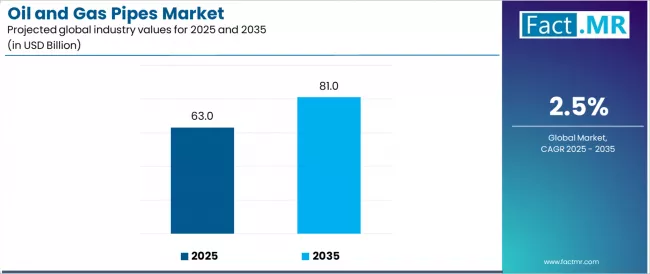
The Oil and Gas Pipes Market is influenced by exploration and production activities, pipeline infrastructure development, and global energy consumption patterns. Growing investments in cross-country pipeline projects and liquefied natural gas infrastructure are contributing to steady market expansion.
Additionally, aging pipeline networks in several regions are driving replacement and maintenance activities. Companies are focusing on enhancing pipe durability and safety features to reduce leakage risks and environmental hazards.
Key Drivers
- Expanding Energy Demand
Global industrialization and urbanization are increasing the demand for oil and natural gas. This drives the need for extensive pipeline networks to ensure uninterrupted supply from production sites to refineries and end users. - Growth in Exploration and Production Activities
Offshore drilling, shale gas exploration, and deepwater projects require advanced piping systems capable of operating under extreme conditions. Technological improvements in drilling techniques are encouraging the development of high-strength pipes. - Infrastructure Development Projects
Governments and private entities are investing in long-distance pipeline networks to enhance energy security and reduce transportation costs. Cross-border pipeline projects are further stimulating market growth. - Replacement of Aging Pipelines
In mature markets, many pipeline systems have been in operation for decades. Modernization efforts and stricter safety standards are increasing demand for upgraded pipe materials and technologies. - Environmental and Safety Regulations
Stringent regulatory frameworks are compelling industry players to adopt corrosion-resistant and leak-proof piping solutions, reducing environmental risks and operational disruptions.
Regional Insights
North America remains a prominent market due to active shale gas production and extensive pipeline infrastructure. Ongoing investments in energy transportation networks support regional growth.
Europe is focusing on modernizing aging pipeline systems and expanding natural gas infrastructure to diversify energy sources. Sustainability goals are influencing pipeline upgrades and maintenance strategies.
Asia-Pacific is emerging as a high-growth region driven by increasing energy consumption and rapid industrial expansion. Countries in the region are investing in new pipeline projects to support economic development.
Middle East & Africa continue to play a vital role due to abundant oil reserves and expanding export infrastructure. Pipeline development projects are crucial for regional energy distribution and international trade.
Latin America is witnessing steady growth supported by offshore exploration and energy sector reforms in several countries.
Technology Trends
Corrosion-Resistant Materials:
Advanced coatings and alloy compositions are enhancing pipe longevity and reducing maintenance costs.
High-Strength Steel Pipes:
Improved metallurgical processes enable the production of pipes capable of withstanding higher pressures and extreme environments.
Smart Pipeline Monitoring:
Integration of sensors and real-time monitoring systems helps detect leaks, pressure changes, and structural weaknesses, enhancing safety.
Automation in Manufacturing:
Modern fabrication techniques and automated welding systems improve precision and efficiency in pipe production.
Composite Pipes:
Lightweight composite materials are gaining traction in certain applications due to their resistance to corrosion and ease of installation.
Applications & End-Use Outlook
The Oil and Gas Pipes Market serves various operational segments:
- Upstream Operations: Used in drilling and extraction activities, including offshore platforms and shale formations.
- Midstream Transportation: Facilitates long-distance transportation of crude oil and natural gas through transmission pipelines.
- Downstream Processing: Supports refining and petrochemical operations with specialized piping systems.
Natural gas pipelines represent a significant share of the market, driven by the global shift toward cleaner fuel alternatives. Offshore and subsea pipeline installations are also expanding as exploration moves into deeper waters.
Competitive Landscape
The market is highly competitive, with manufacturers focusing on technological innovation, product quality, and compliance with international standards. Companies are investing in research and development to improve material strength, corrosion resistance, and environmental performance.
Strategic collaborations between pipe manufacturers, energy companies, and engineering contractors are shaping market dynamics. Expansion into emerging economies and participation in large-scale infrastructure projects remain key growth strategies.
Challenges
Despite strong demand fundamentals, the market faces several challenges:
- Volatility in crude oil prices affecting exploration investments
- High installation and maintenance costs
- Environmental concerns related to pipeline leaks
- Regulatory complexities and geopolitical risks
Industry stakeholders are addressing these challenges through advanced safety measures, digital monitoring technologies, and sustainable material innovations.
Future Outlook
The Oil and Gas Pipes Market is expected to remain integral to global energy infrastructure. While renewable energy adoption is accelerating, oil and natural gas continue to play a vital role in meeting global energy needs. Expanding pipeline networks, modernization initiatives, and technological advancements will sustain market growth.
Increasing focus on natural gas as a transition fuel is likely to drive further pipeline development projects. Additionally, digitalization and smart monitoring systems will enhance pipeline safety and operational efficiency in the coming years.
Conclusion
Oil and gas pipes form the backbone of energy transportation systems worldwide. Their reliability, durability, and performance are essential for ensuring seamless hydrocarbon supply across industries and regions. As infrastructure investments continue and technological advancements reshape pipeline manufacturing, the Oil and Gas Pipes Market will remain a key component of the global energy ecosystem.
Businesses and stakeholders seeking deeper insights into market trends, competitive dynamics, and emerging opportunities can benefit from comprehensive research and strategic analysis to navigate this evolving landscape effectively.
Browse Full Report – https://www.factmr.com/report/oil-and-gas-pipes-market