The maritime industry is undergoing a major transformation as sustainability, electrification, and energy efficiency become central priorities. Marine power battery systems are emerging as a critical technology enabling cleaner and more efficient vessel operations. From hybrid propulsion systems to fully electric ships, these battery systems are redefining how energy is stored, managed, and utilized at sea. As global regulations tighten and environmental concerns intensify, the demand for advanced marine battery solutions is accelerating across commercial and defense marine sectors.
Market Overview
Marine power battery systems are designed to store and supply electrical energy for various onboard applications, including propulsion, auxiliary systems, and emergency backup. These systems are increasingly being integrated into vessels to reduce dependence on traditional fossil fuels and lower greenhouse gas emissions.
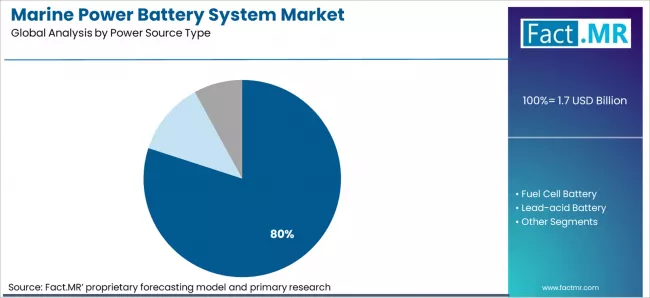
The market is characterized by rapid technological innovation, particularly in lithium-ion battery chemistry, which offers higher energy density, longer lifecycle, and improved safety compared to conventional battery types. In addition to lithium-ion, ongoing research into solid-state batteries and alternative chemistries is expected to further enhance performance and reliability.
The push toward electrification in maritime transport is being driven by a combination of regulatory mandates, rising fuel costs, and growing awareness of environmental sustainability. Governments and international organizations are encouraging the adoption of low-emission technologies, creating a favorable ecosystem for the growth of marine battery systems.
Regional Insights
Geographically, the marine power battery system market is witnessing strong growth across multiple regions, each contributing uniquely to the industry’s development.
North America remains a prominent market due to its early adoption of advanced marine technologies and increasing investments in sustainable shipping solutions. The presence of established maritime infrastructure and technology providers supports the integration of battery systems in both commercial and defense vessels.
Europe is at the forefront of maritime decarbonization, driven by strict environmental regulations and ambitious emission reduction targets. Countries in this region are actively promoting electric and hybrid vessels, especially for short-distance shipping and inland waterways. The region’s focus on green shipping corridors and innovation hubs further accelerates the deployment of marine battery technologies.
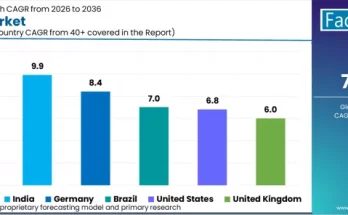
Asia-Pacific is emerging as a high-growth region, fueled by expanding shipbuilding activities and rising demand for energy-efficient maritime solutions. Countries such as China, Japan, and South Korea are investing heavily in advanced ship technologies, including battery-powered and hybrid vessels. The region’s strong manufacturing capabilities and government support are key factors driving market expansion.
Key Trends & Forecast
Several important trends are shaping the future of the marine power battery system market:
One of the most significant trends is the increasing adoption of hybrid and fully electric propulsion systems. Ship operators are integrating battery systems to optimize fuel consumption, reduce emissions, and comply with environmental regulations. Hybrid vessels, in particular, offer flexibility by combining conventional engines with battery power, enabling efficient operation across different conditions.
Another key trend is the advancement in battery management systems (BMS). These systems play a crucial role in monitoring battery performance, ensuring safety, and extending battery life. Enhanced BMS technologies are enabling real-time diagnostics and predictive maintenance, which are essential for reliable maritime operations.
The development of fast-charging infrastructure and shore power integration is also gaining momentum. Ports are increasingly equipped with charging facilities that allow vessels to recharge batteries during docking, reducing reliance on onboard fuel-based generators.
Additionally, collaborations between shipbuilders, technology providers, and regulatory bodies are accelerating innovation in marine battery solutions. These partnerships are focused on standardizing battery technologies, improving safety protocols, and scaling up production capabilities.
Applications & End-Use Outlook
Marine power battery systems are being adopted across a wide range of vessel types and applications.
In the commercial sector, ferries, cargo ships, and offshore support vessels are increasingly utilizing battery systems to enhance operational efficiency and reduce environmental impact. Electric ferries, in particular, are gaining popularity for short-distance routes, offering a clean and cost-effective alternative to traditional diesel-powered vessels.
The defense sector is also exploring the use of advanced battery systems for submarines and naval ships. These systems provide stealth advantages, improved energy efficiency, and reduced acoustic signatures, which are critical for defense operations.
In addition to propulsion, marine battery systems are used for auxiliary power, including lighting, navigation systems, and onboard equipment. They also serve as backup power sources, ensuring operational continuity in case of system failures.
The offshore energy sector, including oil and gas platforms as well as renewable energy installations, is another important end-user segment. Battery systems are used to support energy storage and management in these environments, contributing to safer and more efficient operations.
Challenges and Opportunities
Despite the promising growth outlook, the marine power battery system market faces certain challenges. High initial investment costs and concerns related to battery safety and disposal remain key barriers to widespread adoption. Additionally, the need for standardized regulations and infrastructure development poses challenges for industry stakeholders.
However, these challenges also present opportunities for innovation and growth. Advances in battery technology are expected to reduce costs and improve safety over time. The development of recycling solutions and sustainable materials will further enhance the environmental benefits of marine battery systems.
Moreover, increasing investments in research and development, along with supportive government policies, are likely to create new growth avenues for market players. As the maritime industry continues to evolve, the demand for efficient and sustainable energy solutions will drive the adoption of marine power battery systems.
Conclusion
The marine power battery system market is poised for significant expansion as the global maritime industry shifts toward cleaner and more sustainable operations. With advancements in battery technology, supportive regulatory frameworks, and growing environmental awareness, these systems are becoming a cornerstone of modern marine energy solutions.
As ship operators and stakeholders prioritize efficiency and sustainability, marine power battery systems will play a crucial role in shaping the future of maritime transport. Leveraging comprehensive market insights and technological innovations will be key for organizations aiming to stay competitive in this rapidly evolving landscape.
Browse Full Report – https://www.factmr.com/report/marine-power-battery-system-market